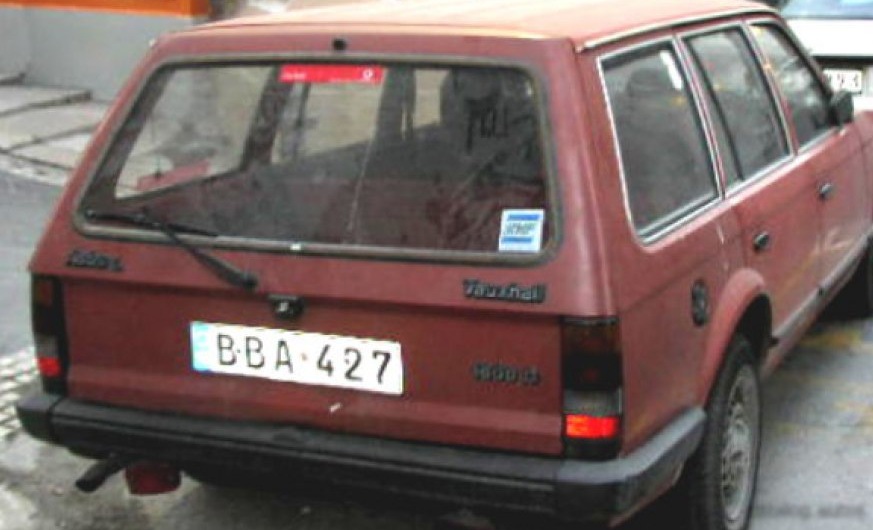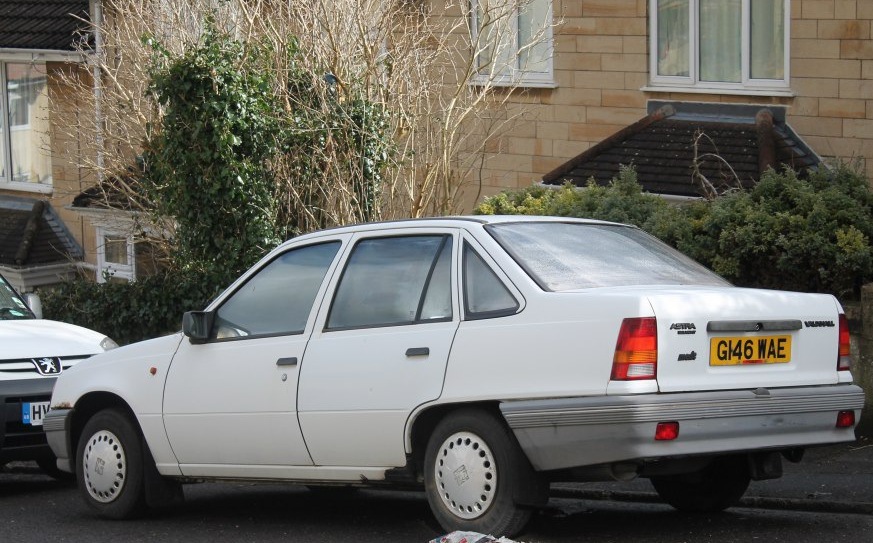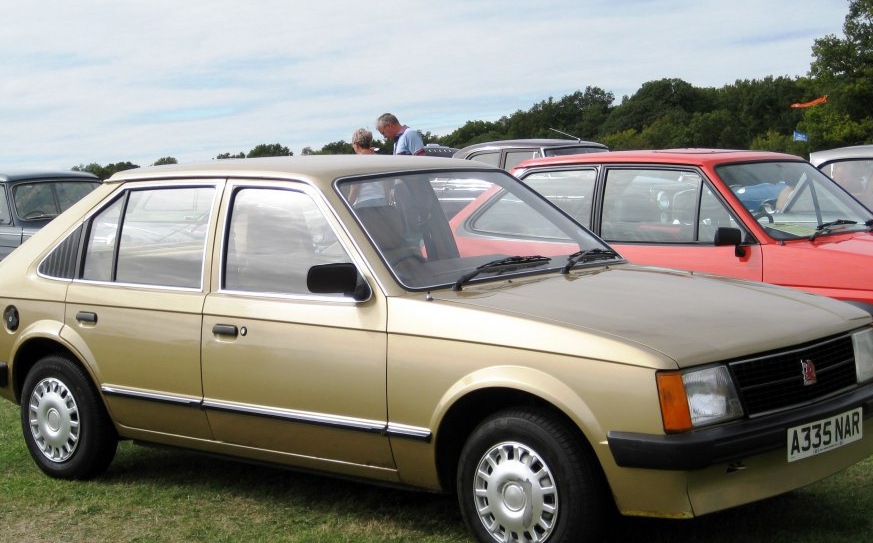
The Vauxhall Astra CC 1.8 GTE, produced between 1983 and 1984, represented a performance-oriented variant within the first generation Astra (launched in 1979 and known internally as the Astra B). Positioned as a sporty trim level, the GTE aimed to offer a more engaging driving experience than the standard Astra models. It was a key part of Vauxhall’s effort to appeal to a younger, more enthusiastic driver base. The “CC” designation signified a special edition, often with enhanced equipment and styling cues. This model played a significant role in establishing the Astra’s reputation for affordability and practicality combined with a degree of sporting flair.
Technical Specifications
| Brand | Vauxhall |
| Model | Astra |
| Generation | Astra CC |
| Type (Engine) | 1.8 GTE (115 Hp) |
| Start of production | 1983 |
| End of production | 1984 |
| Powertrain Architecture | Internal Combustion engine |
| Body type | Hatchback |
| Seats | 5 |
| Doors | 5 |
| Fuel Type | Petrol (Gasoline) |
| Power | 115 Hp |
| Engine Model/Code | 18E |
| Engine aspiration | Naturally aspirated engine |
| Engine oil capacity | 3.25 l (3.43 US qt | 2.86 UK qt) |
| Coolant capacity | 7.5 l (7.93 US qt | 6.6 UK qt) |
Powertrain & Engine Architecture
The heart of the Astra CC 1.8 GTE was the 18E engine, an 1.8-liter inline-four cylinder petrol engine. This engine was a mainstay of Vauxhall’s lineup during the 1980s, known for its relative simplicity and durability. The 18E featured a cast iron block and an aluminum cylinder head, utilizing a single overhead camshaft (SOHC) design. Fuel delivery was managed by a Bosch Jetronic fuel injection system, a significant upgrade over the carbureted engines found in earlier Astras. This injection system contributed to improved fuel efficiency and smoother power delivery. The engine produced 115 horsepower at approximately 5800 rpm and 109 lb-ft of torque at 3600 rpm. The engine’s design prioritized usability and reliability over outright performance, making it a suitable choice for a mass-market vehicle.
Driving Characteristics
The Astra CC 1.8 GTE, equipped with its four-speed manual transmission, offered a noticeable step up in performance compared to the base Astra models. While not a particularly fast car by modern standards, it provided brisk acceleration and a reasonably engaging driving experience for its time. The four-speed gearbox was well-matched to the engine’s torque curve, allowing for comfortable cruising and responsive acceleration. The gear ratios were relatively closely spaced, encouraging drivers to utilize the engine’s power band. Compared to later Astra variants with five-speed transmissions, the four-speed unit felt somewhat limited at highway speeds, requiring higher engine revolutions to maintain cruising speed. The GTE’s suspension was slightly stiffer than the standard Astra, providing improved handling and reduced body roll, though it did come at the expense of some ride comfort. The front-wheel drive configuration offered predictable handling characteristics, but could exhibit some understeer when pushed hard.
Equipment & Trim Levels
The Astra CC 1.8 GTE was distinguished by a number of features designed to enhance its sporty appeal. Standard equipment included a rear spoiler, sporty cloth upholstery, a leather-wrapped steering wheel, and upgraded instrumentation. The interior featured a more driver-focused layout than the standard Astra, with a prominent tachometer and additional gauges. Optional extras included a sunroof, central locking, and upgraded audio systems. The exterior styling was further enhanced by unique alloy wheels and a distinctive body kit, including front and rear spoilers and side skirts. The CC trim generally represented a mid-range offering within the Astra lineup, positioned above the base models but below any potential high-performance or luxury trims.
Chassis & Braking
The Astra CC 1.8 GTE utilized a MacPherson strut front suspension and a twist-beam rear suspension. This setup provided a good balance between ride comfort and handling. The front suspension featured anti-roll bar to reduce body roll during cornering. Braking duties were handled by disc brakes on the front wheels and drum brakes on the rear wheels. While adequate for everyday driving, the rear drum brakes were a limitation in terms of overall braking performance. The braking system was not particularly powerful by modern standards, and could fade under heavy use. The steering was a rack-and-pinion system, providing precise and responsive steering feel.
Market Reception & Comparison
The Astra CC 1.8 GTE was generally well-received by automotive critics and the public. It was praised for its sporty styling, improved performance, and relatively affordable price. Compared to other hot hatches of the era, such as the Volkswagen Golf GTI, the Astra GTE offered a more accessible and practical package. However, it lacked the GTI’s outright performance and sophisticated engineering. The Astra GTE’s fuel economy was reasonable for its time, averaging around 30-35 mpg in mixed driving conditions. Reliability was generally good, although the Bosch Jetronic fuel injection system could be prone to occasional issues. The 1.8-liter engine proved to be durable and long-lasting, provided it was properly maintained.
Legacy
The Astra CC 1.8 GTE holds a nostalgic place in the hearts of many Vauxhall enthusiasts. It represents a significant milestone in the Astra’s development, establishing the model as a credible competitor in the small family car segment. The 18E engine, while now outdated, remains a relatively simple and reliable unit, making it a popular choice for classic car enthusiasts. Today, well-maintained examples of the Astra CC 1.8 GTE are becoming increasingly collectible, particularly those with low mileage and original features. The car’s affordability, practicality, and sporty character continue to appeal to a wide range of drivers. The GTE badge would continue to be used on subsequent Astra models, signifying a performance-oriented trim level, and cementing its place in Vauxhall’s history.