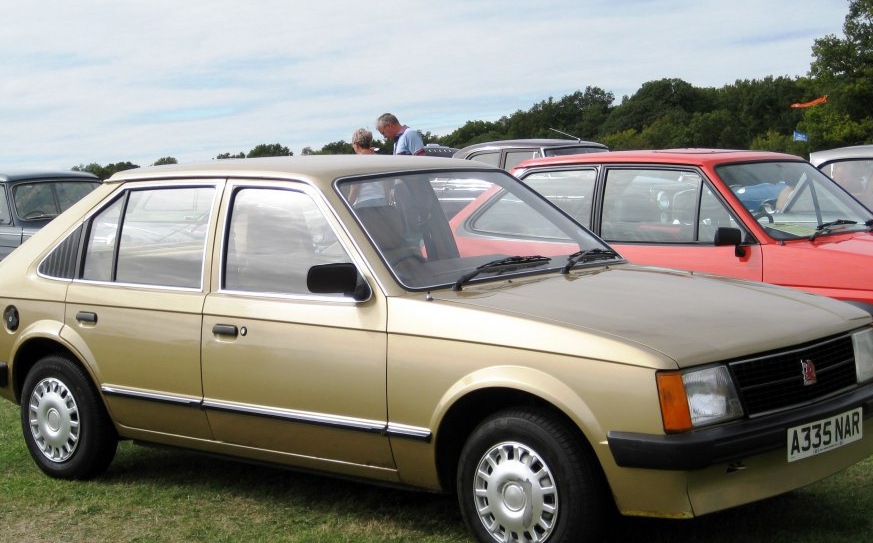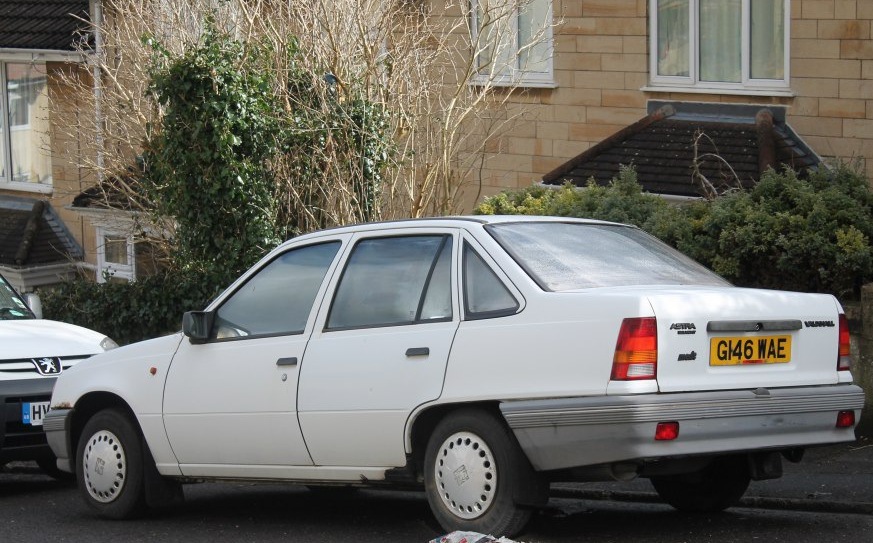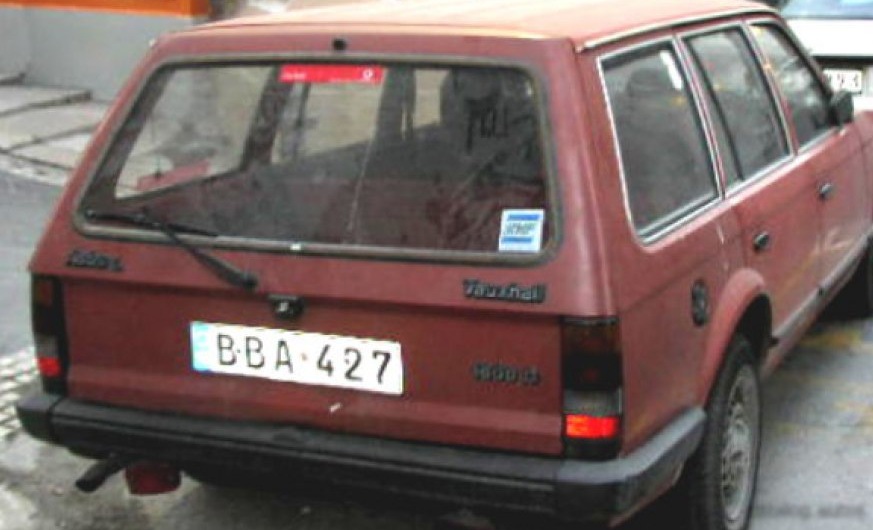
The Vauxhall Astra Estate 1.3 S, produced between 1979 and 1984, represented an entry-level offering within the first generation (Astra Estate) of Vauxhall’s popular family car. Positioned as a practical and economical choice, this variant catered to buyers prioritizing affordability and space over outright performance. It was a key component of Vauxhall’s strategy to offer a broad range of Astra models to suit diverse customer needs in the UK market. The Astra Estate, in general, aimed to provide a more versatile alternative to the hatchback, appealing to families and those requiring additional cargo capacity.
Technical Specifications
| Brand | Vauxhall |
| Model | Astra |
| Generation | Astra Estate (First Generation) |
| Type (Engine) | 1.3 S (75 Hp) |
| Start of Production | 1979 |
| End of Production | 1984 |
| Powertrain Architecture | Internal Combustion Engine |
| Body Type | Station Wagon (Estate) |
| Seats | 5 |
| Doors | 5 |
| Fuel Type | Petrol (Gasoline) |
| Power | 75 Hp |
| Engine Model/Code | 13S, 13SC |
| Engine Aspiration | Naturally Aspirated |
| Engine Oil Capacity | 3 l (3.17 US qt | 2.64 UK qt) |
| Coolant Capacity | 7 l (7.4 US qt | 6.16 UK qt) |
| Drivetrain | Front Wheel Drive |
Powertrain & Engine Architecture
The heart of the Astra Estate 1.3 S was the 13S or 13SC engine, a 1.3-liter, inline-four cylinder petrol engine. This engine was a relatively simple design, reflecting the engineering standards of the late 1970s and early 1980s. It featured a single overhead camshaft (SOHC) valvetrain operating two valves per cylinder. Fuel delivery was managed by a single, down-draft carburetor – typically a Solex or similar unit – rather than the fuel injection systems becoming increasingly common in more expensive vehicles. The engine’s modest 75 horsepower output at around 6000 rpm and approximately 88 lb-ft of torque was sufficient for everyday driving, but didn’t offer significant performance reserves. The engine block was cast iron, contributing to its durability, while the cylinder head was aluminum. The 13SC variant often denoted slight modifications for emissions compliance, depending on the specific market year.
Driving Characteristics
The Astra Estate 1.3 S, equipped with a three-speed automatic transmission, offered a comfortable, if unhurried, driving experience. The automatic gearbox, while providing convenience, did detract from the engine’s limited power. Acceleration was modest, and overtaking required careful planning. The gear ratios were optimized for fuel economy rather than performance, resulting in a noticeable delay before downshifts. Compared to the available four-speed manual transmission, the automatic version resulted in a noticeable performance decrease. The front-wheel-drive configuration provided predictable handling, but the suspension – consisting of MacPherson struts at the front and a twist-beam axle at the rear – was tuned for comfort rather than sporty handling. The car felt stable enough on most road surfaces, but body roll was evident during cornering. The automatic transmission, while making city driving easier, did diminish the driver’s sense of control compared to the manual option.
Equipment & Trim Levels
The 1.3 S trim level represented the base specification for the Astra Estate. Standard equipment typically included cloth upholstery, basic instrumentation (speedometer, fuel gauge, temperature gauge), and a steering wheel. Interior plastics were durable but utilitarian. Features considered optional extras included a radio, heated rear window, and upgraded interior trim. The exterior trim was relatively simple, with black plastic bumpers and steel wheels often fitted as standard. The overall interior ambiance was functional and practical, prioritizing durability and ease of cleaning over luxury. The dashboard layout was straightforward, with all essential controls within easy reach of the driver.
Chassis & Braking
The Astra Estate’s chassis was a conventional monocoque construction. The front suspension utilized MacPherson struts with coil springs and an anti-roll bar, while the rear suspension employed a simple twist-beam axle. Braking was initially provided by front disc brakes and rear drum brakes. Later models sometimes featured all-round disc brakes as standard or as an optional upgrade. The braking system was hydraulically operated, providing adequate stopping power for the vehicle’s weight and performance. Steering was rack and pinion, offering reasonable precision. The suspension setup prioritized ride comfort over handling sharpness, making it suitable for everyday driving conditions. Stabilizer bar thickness was relatively modest, contributing to the car’s comfortable but somewhat soft handling characteristics.
Market Reception & Comparison
The Astra Estate 1.3 S was generally well-received as an affordable and practical family car. Critics acknowledged its spacious interior and reasonable fuel economy, but noted its lack of performance. Compared to other trims in the Astra Estate lineup, such as the 1.6 or 1.8-liter versions, the 1.3 S offered significantly less power and a slower driving experience. However, it was also considerably cheaper to purchase and operate. Against competitors like the Ford Sierra Estate and the Morris Marina Estate, the Astra Estate 1.3 S offered a more modern design and generally better build quality. Fuel economy was competitive for the era, typically achieving around 30-35 mpg in mixed driving conditions. Reliability was generally good, although the carburetor required periodic adjustment and maintenance.
Legacy
The Astra Estate 1.3 S, while not a particularly exciting vehicle, played an important role in establishing the Astra as a popular family car in the UK. The 13S engine, while simple, proved to be reasonably durable and reliable. Today, surviving examples are relatively rare and are often sought after by classic car enthusiasts and Vauxhall collectors. The automatic transmission, while not known for its performance, has proven to be fairly robust. The car’s simplicity makes it relatively easy to maintain and repair, appealing to those who enjoy working on older vehicles. In the used car market, well-maintained examples command a modest premium, reflecting their rarity and nostalgic appeal. The Astra Estate 1.3 S represents a snapshot of automotive engineering and design from the late 1970s and early 1980s, offering a glimpse into a time when practicality and affordability were paramount.