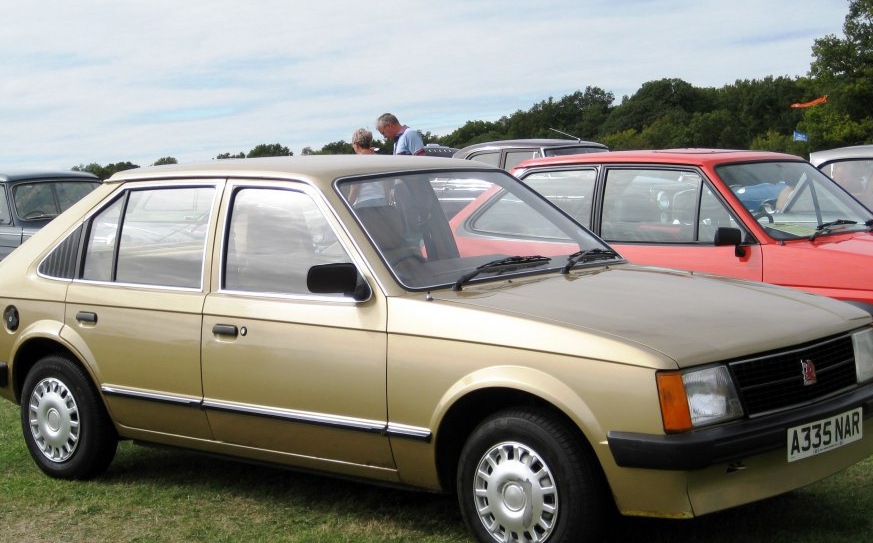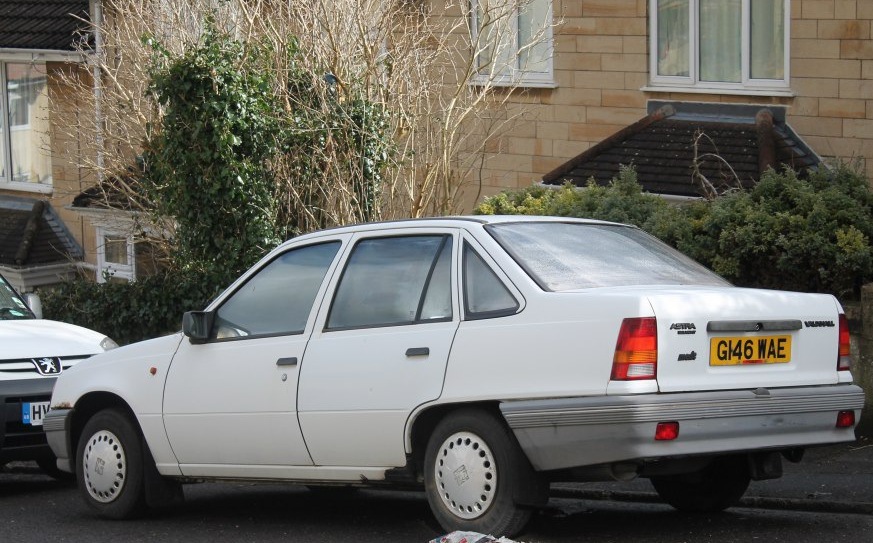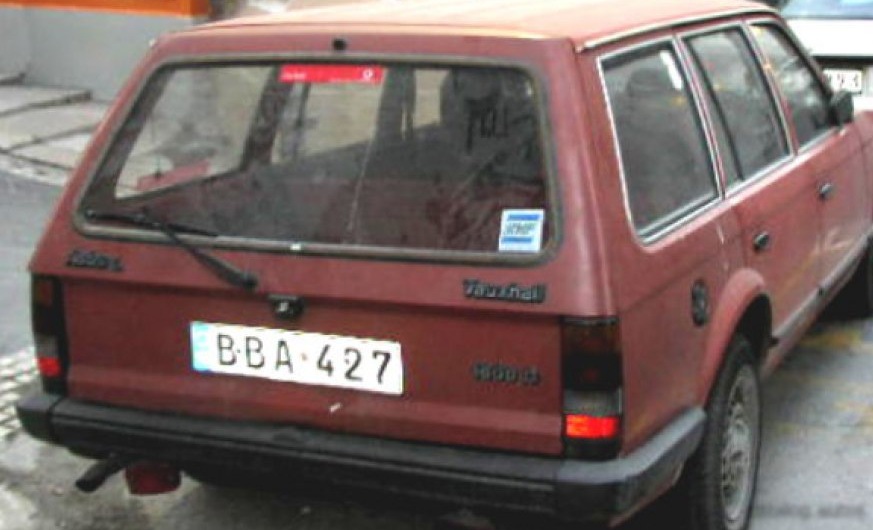
The Vauxhall Astra Estate 1.6 S, producing 90 horsepower, was a variant of the first-generation Astra Estate (designated as the Astra MkI) manufactured between 1981 and 1984. Positioned as a practical and economical option within the Astra Estate lineup, it catered to buyers seeking a spacious family vehicle with reasonable running costs. This model represented Vauxhall’s entry into the competitive European compact estate market, offering a blend of affordability and functionality. The Astra MkI, and by extension the Estate variant, was based on the GM T-platform, shared with other European Opel and Isuzu models.
Technical Specifications
| Brand | Vauxhall |
| Model | Astra |
| Generation | Astra Estate (MkI) |
| Type (Engine) | 1.6 S (90 Hp) |
| Start of production | 1981 |
| End of production | 1984 |
| Powertrain Architecture | Internal Combustion Engine |
| Body type | Station wagon (estate) |
| Seats | 5 |
| Doors | 5 |
| Fuel Type | Petrol (Gasoline) |
| Power | 90 Hp |
| Engine Model/Code | 16SH |
| Engine aspiration | Naturally aspirated |
| Engine oil capacity | 3.25 l (3.43 US qt | 2.86 UK qt) |
| Coolant capacity | 7.7 l (8.14 US qt | 6.78 UK qt) |
| Drivetrain | Front wheel drive |
Powertrain & Engine Architecture
The Astra Estate 1.6 S was powered by the 16SH engine, a 1.6-liter inline-four cylinder petrol engine. This engine was a relatively simple design, featuring a single overhead camshaft (SOHC) operating two valves per cylinder. Fuel delivery was managed by a single, two-barrel carburetor – a common setup for vehicles of this era. The 16SH engine produced 90 horsepower at approximately 5,600 rpm and 88 lb-ft of torque at 3,200 rpm. The engine block was cast iron, providing durability, while the cylinder head was aluminum. The transmission paired with this engine was a four-speed automatic gearbox. This automatic transmission, while offering convenience, was not known for its particularly quick shifts or fuel efficiency compared to the available manual transmission options.
Driving Characteristics
The 1.6 S automatic offered a comfortable, if not particularly sporty, driving experience. Acceleration was adequate for everyday driving, but the automatic transmission and relatively low horsepower meant it wasn’t a particularly quick vehicle. The four-speed automatic transmission had relatively widely spaced gear ratios, which impacted both acceleration and engine noise at higher speeds. Compared to the five-speed manual version of the 1.6, the automatic suffered a noticeable performance deficit. The manual transmission allowed the engine to operate more efficiently and provided more driver control. The automatic was geared more towards relaxed cruising and ease of use, making it a popular choice for family drivers who prioritized convenience over performance. The front-wheel-drive configuration provided predictable handling, although it lacked the dynamic capabilities of more modern vehicles.
Equipment & Trim Levels
The ‘S’ designation in the 1.6 S trim level indicated a slightly higher level of equipment compared to the base Astra Estate models. Standard features typically included cloth upholstery, a basic instrument cluster, and a steering wheel. The interior was functional and durable, prioritizing practicality over luxury. Optional extras available for the 1.6 S included a radio, upgraded seat fabrics, and occasionally, a sunroof. The exterior trim was relatively basic, with black plastic bumpers and simple steel wheels with hubcaps. The Astra Estate 1.6 S was positioned as a mid-range offering, bridging the gap between the more basic models and the higher-specification trims.
Chassis & Braking
The Astra Estate MkI utilized a MacPherson strut front suspension and a twist-beam rear suspension. This setup provided a reasonable balance between ride comfort and handling. The front suspension incorporated coil springs and a stabilizer bar, while the rear suspension relied on leaf springs. Braking was accomplished via disc brakes on the front wheels and drum brakes on the rear wheels. The braking system was adequate for the vehicle’s weight and performance, but lacked the stopping power of more modern braking systems. Steering was rack and pinion, providing reasonably precise control. The chassis was designed to prioritize space efficiency and load-carrying capacity, reflecting the estate’s primary function as a practical family vehicle.
Market Reception & Comparison
The Vauxhall Astra Estate 1.6 S was generally well-received as a practical and affordable family car. Critics praised its spacious interior, reasonable fuel economy (around 28-32 mpg combined), and comfortable ride. However, the automatic transmission was often criticized for its sluggish performance and lack of responsiveness. Compared to other estate cars of the time, such as the Ford Sierra Estate and the Renault 18 Estate, the Astra Estate offered a competitive level of space and practicality at a reasonable price point. The 1.6-liter engine, while adequate, was less powerful than some of the larger engines offered in competing models. The manual transmission versions of the Astra Estate were generally preferred by drivers who prioritized performance and fuel efficiency.
Legacy
The Astra Estate 1.6 S, while not a particularly groundbreaking vehicle, played an important role in establishing the Astra as a popular choice in the European compact car market. The 16SH engine proved to be relatively reliable, although regular maintenance was essential to prevent issues such as oil leaks and carburetor problems. Today, the Astra Estate MkI is considered a classic car, and well-maintained examples are sought after by enthusiasts. The automatic transmission versions, while less desirable to some, offer a unique driving experience and are often more affordable than their manual counterparts. The Astra Estate 1.6 S represents a snapshot of automotive engineering from the early 1980s, showcasing the priorities of the era – practicality, affordability, and durability.