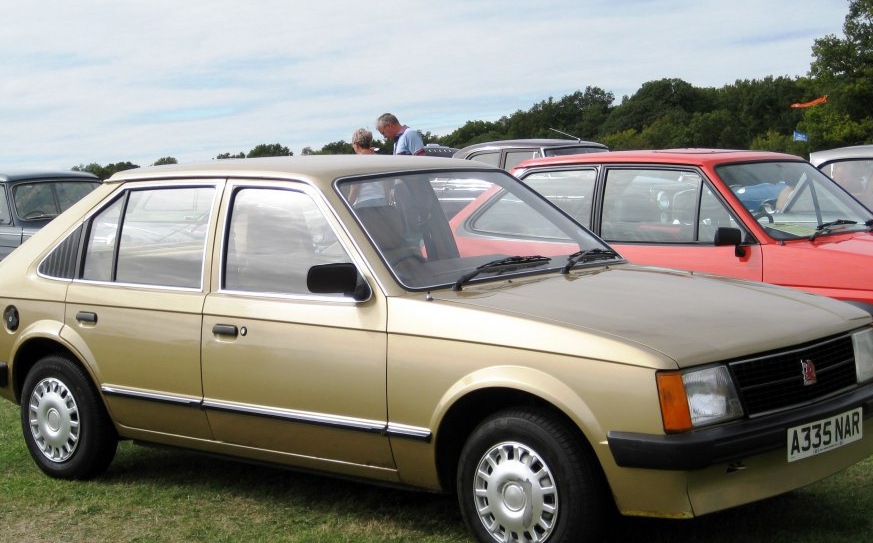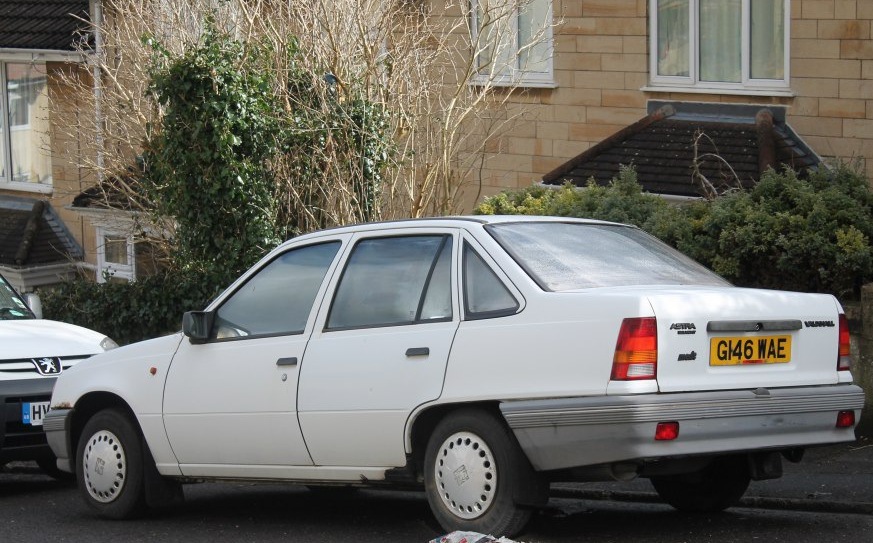
The Vauxhall Astra Mk II Belmont 1.8i, produced between 1986 and 1991, represented a significant offering in the compact sedan segment for the British market. Part of the broader Astra Mk II range (internally designated as the 1HX0 series), the Belmont specifically denoted the four-door sedan body style, distinguishing it from the hatchback and estate variants. This 1.8i model, powered by the 18SE engine producing 111 horsepower, occupied a mid-range position within the Belmont lineup, offering a balance between performance and affordability. It aimed to appeal to buyers seeking a practical family car with a degree of refinement and respectable power for the era.
Technical Specifications
| Brand | Vauxhall |
| Model | Astra |
| Generation | Astra Mk II Belmont |
| Type (Engine) | 1.8i (111 Hp) |
| Start of production | 1986 |
| End of production | 1991 |
| Powertrain Architecture | Internal Combustion engine |
| Body type | Sedan |
| Seats | 5 |
| Doors | 4 |
| Fuel Type | Petrol (Gasoline) |
| Power | 111 Hp |
| Engine Model/Code | 18SE |
| Engine aspiration | Naturally aspirated engine |
| Engine oil capacity | 4 l (4.23 US qt | 3.52 UK qt) |
| Coolant capacity | 6.9 l (7.29 US qt | 6.07 UK qt) |
| Drivetrain | Front wheel drive |
Powertrain & Engine Architecture
The heart of the Astra Mk II Belmont 1.8i was the 18SE engine, an 1.8-liter inline-four cylinder petrol engine. This engine was a naturally aspirated unit, meaning it did not employ forced induction like a turbocharger or supercharger. It featured a cast iron block and an aluminum cylinder head, a common configuration for engines of this period. Fuel delivery was managed by Bosch Mono-Jetronic fuel injection, a relatively simple system for the time, offering improved efficiency and driveability compared to carbureted engines. The 18SE engine utilized a single overhead camshaft (SOHC) valvetrain, operating two valves per cylinder. While not the most technologically advanced setup, it proved to be reliable and relatively easy to maintain. The engine’s 111 horsepower output was achieved at approximately 5,800 rpm, with peak torque of around 107 lb-ft at 4,200 rpm. The engine was typically paired with a four-speed automatic transmission, although a five-speed manual gearbox was also available. The automatic transmission, while providing convenience, was known to slightly diminish acceleration compared to the manual version.
Driving Characteristics
The Astra Belmont 1.8i Automatic offered a comfortable, if not particularly sporty, driving experience. The automatic transmission provided smooth gear changes, making it well-suited for urban driving and long journeys. Acceleration was adequate for the time, with a 0-60 mph time estimated around 11-12 seconds. However, compared to the manual transmission version or the more powerful 2.0-liter models, the 1.8i Automatic felt somewhat sluggish, especially when overtaking. The gear ratios in the four-speed automatic were spaced to prioritize fuel economy and cruising comfort over outright performance. The steering was light and easy, making maneuvering in tight spaces straightforward. The suspension, while providing a reasonably comfortable ride, wasn’t particularly sophisticated, resulting in some body roll during cornering. Overall, the driving experience was geared towards practicality and ease of use rather than dynamic handling.
Equipment & Trim Levels
The Astra Belmont 1.8i typically came equipped with a reasonable level of standard features for a car in its class during the late 1980s. These included central locking, electric front windows, and a basic stereo system. Interior upholstery was typically cloth, available in a range of colors and patterns. The dashboard layout was functional and straightforward, with clearly labeled controls. Optional extras included a sunroof, upgraded stereo systems, and alloy wheels. Higher trim levels, such as the ‘LX’ variant, added features like upgraded interior trim, a trip computer, and more sophisticated audio equipment. The Belmont 1.8i aimed to provide a comfortable and well-equipped interior without venturing into the luxury segment.
Chassis & Braking
The Astra Belmont Mk II utilized a MacPherson strut front suspension and a twist-beam rear suspension. This setup was a common choice for front-wheel-drive cars of the era, offering a good balance between cost, weight, and handling. Braking was typically accomplished with disc brakes on the front wheels and drum brakes on the rear. The braking system was adequate for normal driving conditions, but lacked the stopping power of more modern systems. Stabilizer bars were fitted to both the front and rear axles to reduce body roll during cornering. The chassis was relatively lightweight, contributing to the car’s overall fuel efficiency. The suspension was tuned for comfort, prioritizing a smooth ride over sharp handling.
Market Reception & Comparison
The Vauxhall Astra Mk II Belmont 1.8i was generally well-received by automotive critics as a practical and affordable family car. It was praised for its comfortable ride, spacious interior, and reasonable fuel economy. However, it was also criticized for its somewhat bland styling and lack of dynamic handling. Compared to its siblings, the 1.8i Automatic offered a compromise between the more economical 1.6-liter models and the more powerful 2.0-liter versions. The 1.6-liter models were more fuel-efficient but lacked the 1.8i’s power, while the 2.0-liter models offered superior performance but came at a higher price. The 1.8i Automatic appealed to buyers who prioritized comfort and convenience over outright performance. Fuel economy was typically around 28-32 mpg, depending on driving conditions.
Legacy
The Astra Mk II Belmont 1.8i, while not a particularly groundbreaking vehicle, remains a fondly remembered car for many British drivers of the era. The 18SE engine, in particular, proved to be a reliable and durable unit, capable of covering high mileages with proper maintenance. Today, well-maintained examples are becoming increasingly sought after by classic car enthusiasts. The automatic transmission, while not known for its speed, has generally proven to be reliable. However, like all cars of this age, they are susceptible to rust and require regular maintenance to keep them in good condition. The Belmont 1.8i represents a snapshot of British automotive engineering in the late 1980s, offering a blend of practicality, affordability, and reliability.