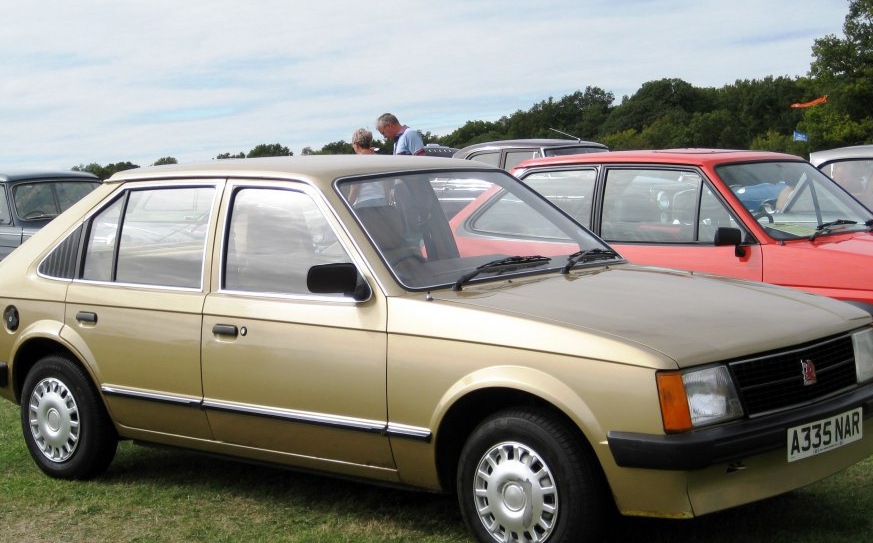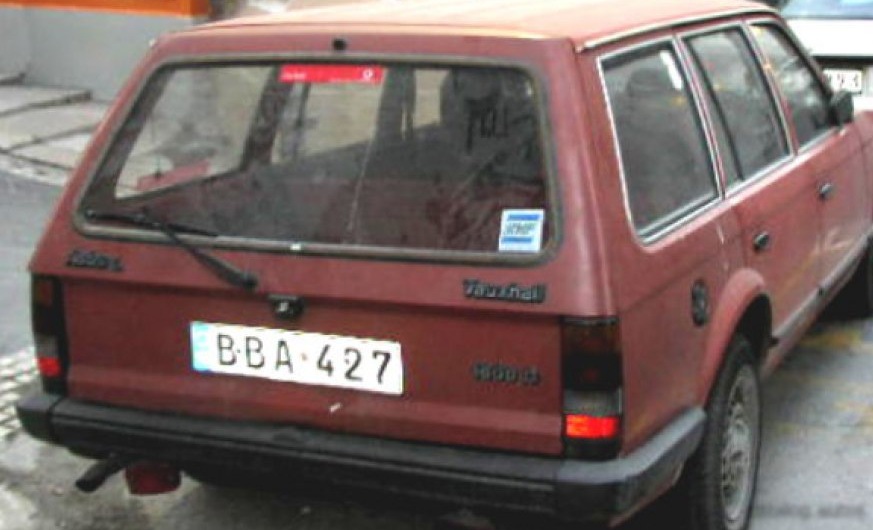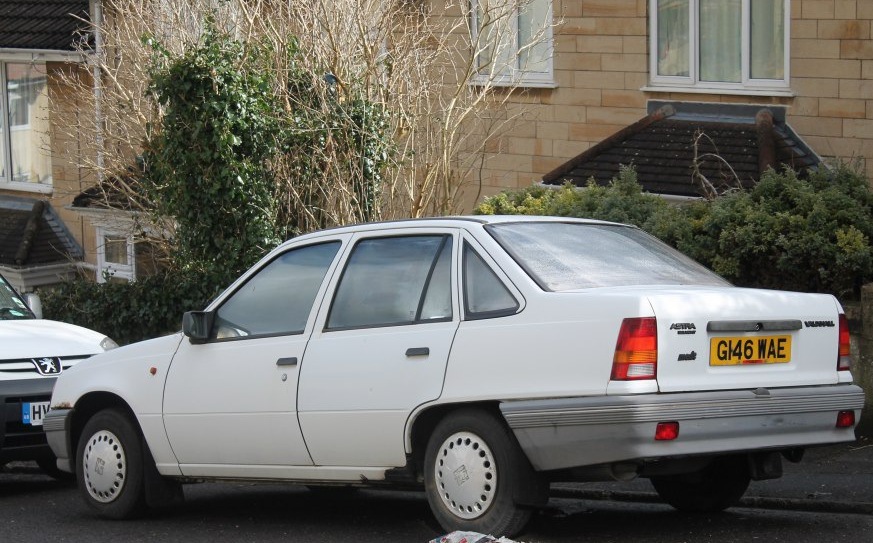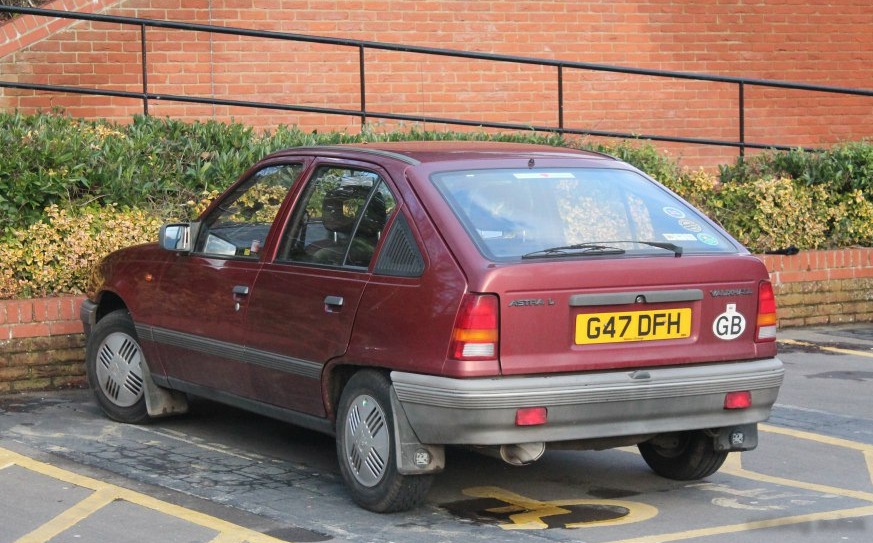
The Vauxhall Astra Mk II CC 1.2 S, produced between 1984 and 1986, represented the entry point into the second-generation Astra range. Part of the broader Astra Mk II (CC – Club/Comfort) series, which spanned from 1984 to 1986, this variant was designed to offer affordable and economical transportation within the United Kingdom and broader European markets. It occupied the base trim level, focusing on practicality and fuel efficiency rather than outright performance. The Mk II Astra was a significant model for Vauxhall, building upon the success of the original Astra (launched in 1979) and establishing the Astra nameplate as a mainstay in the British compact car segment. This generation moved towards more aerodynamic styling and offered improved interior space compared to its predecessor.
Technical Specifications
| Brand | Vauxhall |
| Model | Astra |
| Generation | Astra Mk II CC |
| Type (Engine) | 1.2 S (55 Hp) |
| Start of production | 1984 |
| End of production | 1986 |
| Powertrain Architecture | Internal Combustion engine |
| Body type | Hatchback |
| Seats | 3-5 |
| Doors | 5 |
| Fuel Type | Petrol (Gasoline) |
| Acceleration 0 – 100 km/h | 16.5 sec |
| Acceleration 0 – 62 mph | 16.5 sec |
| Acceleration 0 – 60 mph | 15.7 sec |
| Maximum speed | 155 km/h (96.31 mph) |
| Weight-to-power ratio | 15.1 kg/Hp, 66.3 Hp/tonne |
| Weight-to-torque ratio | 9.9 kg/Nm, 101.2 Nm/tonne |
| Power | 55 Hp |
| Power per litre | 46 Hp/l |
| Torque | 84 Nm @ 3600 rpm (61.96 lb.-ft. @ 3600 rpm) |
| Engine layout | Front, Transverse |
| Engine Model/Code | 12SC |
| Engine displacement | 1196 cm3 (72.98 cu. in.) |
| Number of cylinders | 4 |
| Engine configuration | Inline |
| Cylinder Bore | 79 mm (3.11 in.) |
| Piston Stroke | 61 mm (2.4 in.) |
| Compression ratio | 9.2:1 |
| Number of valves per cylinder | 2 |
| Fuel injection system | Carburettor |
| Engine aspiration | Naturally aspirated engine |
| Valvetrain | OHV |
| Engine oil capacity | 2.75 l (2.91 US qt | 2.42 UK qt) |
| Coolant | 5.7 l (6.02 US qt | 5.02 UK qt) |
| Kerb Weight | 830 kg (1829.84 lbs.) |
| Max. weight | 1335 kg (2943.17 lbs.) |
| Max load | 505 kg (1113.33 lbs.) |
| Trunk (boot) space – minimum | 390 l (13.77 cu. ft.) |
| Trunk (boot) space – maximum | 1000 l (35.31 cu. ft.) |
| Fuel tank capacity | 52 l (13.74 US gal | 11.44 UK gal) |
| Length | 3998 mm (157.4 in.) |
| Width | 1663 mm (65.47 in.) |
| Height | 1400 mm (55.12 in.) |
| Wheelbase | 2520 mm (99.21 in.) |
| Front track | 1400 mm (55.12 in.) |
| Rear (Back) track | 1405 mm (55.31 in.) |
| Drag coefficient (Cd) | 0.30 |
| Minimum turning circle | 10.5 m (34.45 ft.) |
| Drivetrain Architecture | The Internal combustion engine (ICE) drives the front wheels of the vehicle. |
| Drive wheel | Front wheel drive |
| Number of gears and type of gearbox | 5 gears, manual transmission |
Powertrain & Engine Architecture
The Astra 1.2 S was powered by the 12SC engine, a 1196cc inline-four cylinder unit. This engine utilized a single overhead valve (OHV) valvetrain and a carburettor for fuel delivery. The 12SC was known for its simplicity and robustness, but it wasn’t a powerhouse. Its 55 horsepower output was modest, even for the time. The engine featured a compression ratio of 9.2:1. The engine was transversely mounted, driving the front wheels. The five-speed manual transmission was the only gearbox option available for this variant, geared towards maximizing fuel economy rather than providing spirited acceleration. The transmission’s ratios were relatively tall, further emphasizing the engine’s focus on efficiency.
Driving Characteristics
The driving experience in the Astra 1.2 S was characterized by its light steering and relatively soft suspension. Performance was, unsurprisingly, modest. Acceleration was slow, requiring careful planning when overtaking or merging onto highways. The 0-60 mph time of around 15.7 seconds reflects this. However, the engine was willing enough and provided adequate power for urban driving. The five-speed gearbox allowed drivers to keep the engine in its optimal power band, but frequent downshifts were often necessary, especially when tackling hills. Compared to the more powerful Astra variants, such as those equipped with 1.6 or 1.8-liter engines, the 1.2 S felt significantly underpowered. The manual transmission offered a more engaging driving experience than an automatic would have, but it still couldn’t overcome the engine’s limitations.
Equipment & Trim Levels
As the entry-level trim, the Astra 1.2 S was equipped with basic but functional features. Standard equipment typically included cloth upholstery, a basic instrument cluster, and manual windows and door locks. Central locking and electric windows were not usually standard on this trim level, but could be added as optional extras. The interior was generally utilitarian in design, prioritizing practicality over luxury. Optional extras included a radio, upgraded seat fabrics, and a sunroof. The exterior styling was also fairly basic, with steel wheels and black plastic trim.
Chassis & Braking
The Astra Mk II utilized a MacPherson strut front suspension and a twist-beam rear suspension. The 1.2 S variant typically featured drum brakes on the rear wheels and disc brakes on the front. The suspension setup was tuned for comfort, providing a reasonably smooth ride over most road surfaces. Stabilizer bars were often omitted on the base model to keep costs down, contributing to a slightly more pronounced body roll in corners. The braking system was adequate for the car’s weight and performance, but lacked the stopping power of the larger-engined models.
Market Reception & Comparison
The Astra 1.2 S was generally well-received as an affordable and economical option. Critics praised its fuel efficiency and ease of driving, but noted its lack of performance. Compared to other trims in the Astra lineup, such as the 1.6 or 1.8 models, the 1.2 S offered significantly less power and refinement. However, it was also considerably cheaper to purchase and run. Its main competitors included the Ford Escort, Volkswagen Golf, and Peugeot 205, all of which offered similar levels of practicality and affordability. The Astra 1.2 S often represented a good value proposition for budget-conscious buyers.
Legacy
The 12SC engine, while not known for its longevity or high performance, proved to be relatively reliable when properly maintained. Today, surviving examples of the Astra 1.2 S are becoming increasingly rare. In the used car market, these vehicles are typically valued for their affordability and simplicity. They appeal to enthusiasts looking for a classic, easy-to-maintain vehicle or as a project car. Parts availability can be a challenge, but many components are still available through specialist suppliers. The Astra 1.2 S represents a snapshot of 1980s motoring, offering a glimpse into a time when affordability and practicality were prioritized over outright performance.