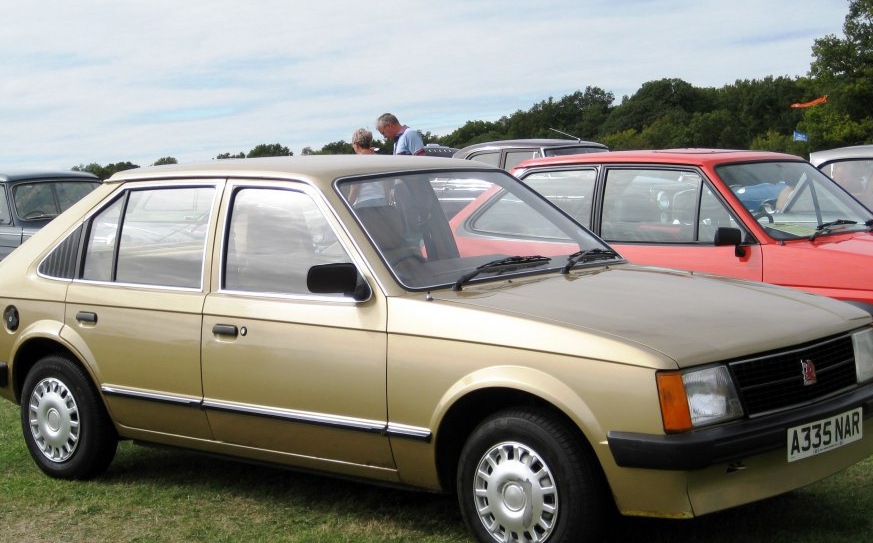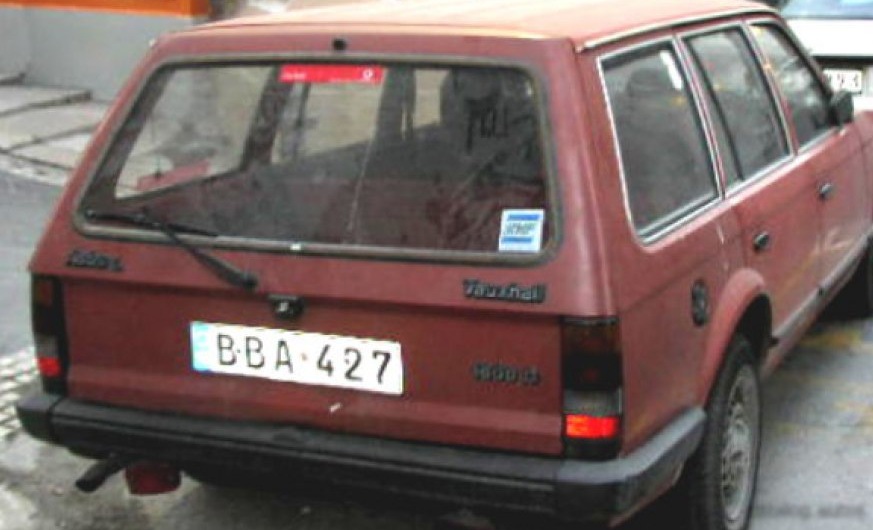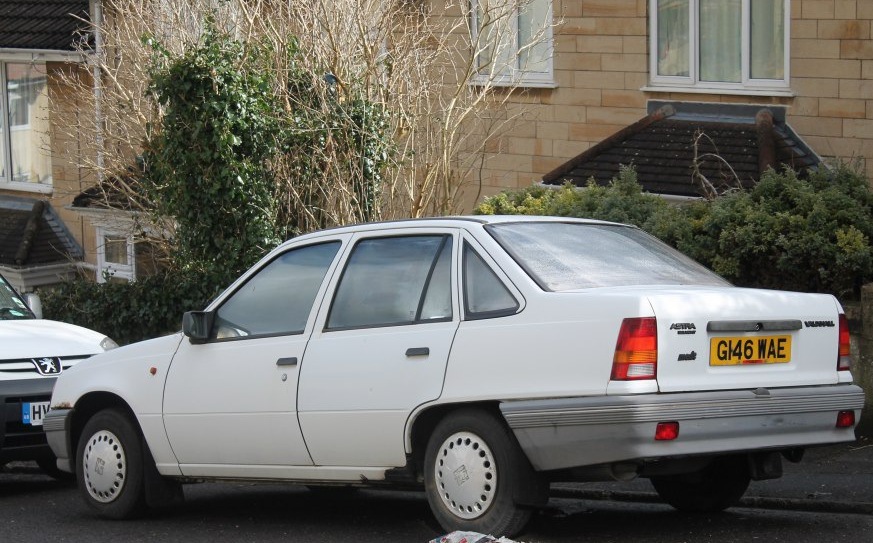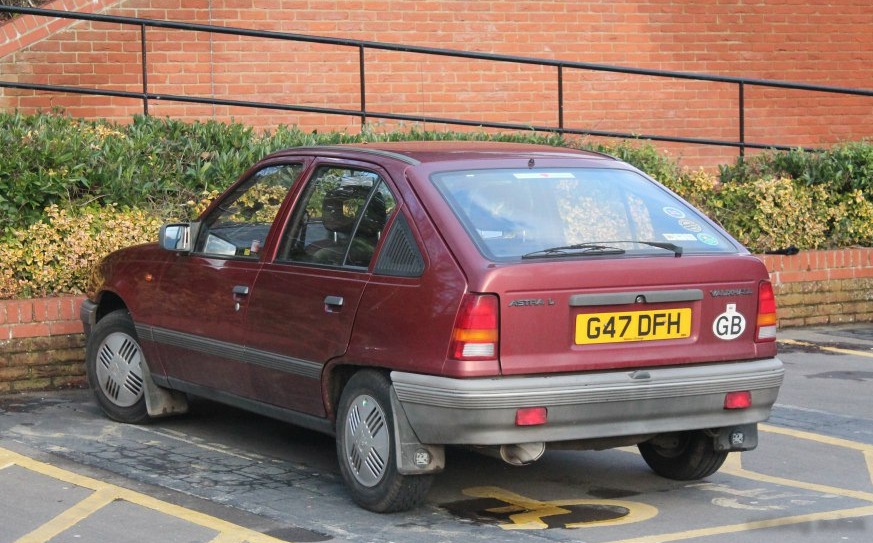
The Vauxhall Astra Mk II CC 1.3, produced between 1987 and 1989, represented the entry point into the second generation Astra range. Part of the broader Astra Mk II (GTE, E, and others) family, the 1.3-liter model was designed to offer affordable and economical transportation within the United Kingdom and broader European markets. Available in both 3 and 5-door hatchback configurations, it served as a practical choice for first-time buyers, commuters, and those prioritizing fuel efficiency over outright performance. This variant occupied the lowest rung of the Mk II ladder, positioned below the 1.6-liter and more performance-oriented GTE models.
Technical Specifications
| Brand | Vauxhall |
| Model | Astra |
| Generation | Astra Mk II CC |
| Type (Engine) | 1.3 (60 Hp) |
| Start of production | 1987 |
| End of production | 1989 |
| Powertrain Architecture | Internal Combustion engine |
| Body type | Hatchback |
| Seats | 5 |
| Doors | 3-5 |
| Fuel consumption (combined) | 7.2 l/100 km |
| Fuel consumption (US mpg) | 32.7 US mpg |
| Fuel consumption (UK mpg) | 39.2 UK mpg |
| Fuel consumption (km/l) | 13.9 km/l |
| Fuel Type | Petrol (Gasoline) |
| Acceleration 0 – 100 km/h | 15 sec |
| Acceleration 0 – 62 mph | 15 sec |
| Acceleration 0 – 60 mph | 14.3 sec |
| Maximum speed | 160 km/h (99.42 mph) |
| Weight-to-power ratio | 14.6 kg/Hp |
| Weight-to-torque ratio | 9.3 kg/Nm |
| Power | 60 Hp @ 5800 rpm |
| Power per litre | 46.3 Hp/l |
| Torque | 94 Nm @ 3400 rpm (69.33 lb.-ft. @ 3400 rpm) |
| Engine layout | Front, Transverse |
| Engine Model/Code | 13NB |
| Engine displacement | 1297 cm3 (79.15 cu. in.) |
| Number of cylinders | 4 |
| Engine configuration | Inline |
| Cylinder Bore | 75 mm (2.95 in.) |
| Piston Stroke | 73.4 mm (2.89 in.) |
| Compression ratio | 8.2:1 |
| Number of valves per cylinder | 2 |
| Fuel injection system | Carburettor |
| Engine aspiration | Naturally aspirated engine |
| Valvetrain | SOHC |
| Engine oil capacity | 3 l (3.17 US qt | 2.64 UK qt) |
| Coolant capacity | 7 l (7.4 US qt | 6.16 UK qt) |
| Kerb Weight | 875 kg (1929.04 lbs.) |
| Max. weight | 1390 kg (3064.43 lbs.) |
| Max load | 515 kg (1135.38 lbs.) |
| Trunk (boot) space – minimum | 390 l (13.77 cu. ft.) |
| Trunk (boot) space – maximum | 1000 l (35.31 cu. ft.) |
| Fuel tank capacity | 52 l (13.74 US gal | 11.44 UK gal) |
| Length | 3998 mm (157.4 in.) |
| Width | 1663 mm (65.47 in.) |
| Height | 1400 mm (55.12 in.) |
| Wheelbase | 2520 mm (99.21 in.) |
| Front track | 1400 mm (55.12 in.) |
| Rear track | 1405 mm (55.31 in.) |
| Drag coefficient (Cd) | 0.30 |
| Minimum turning circle | 10.5 m (34.45 ft.) |
| Drivetrain Architecture | Front wheel drive |
| Number of gears | 4 |
| Gearbox type | Manual transmission |
INTRODUCTION
The Vauxhall Astra Mk II CC 1.3 was a key component of Vauxhall’s strategy to offer a broad range of models within the competitive C-segment. Introduced as a facelift of the original Astra (Mk I), the Mk II brought updated styling and mechanical refinements. The “CC” designation signified the ‘Club’ trim level, representing a more basic specification aimed at budget-conscious buyers. Production spanned from 1987 to 1989, and the 1.3-liter engine was a mainstay of the range during this period, offering a balance between affordability and usability.
Powertrain & Engine Architecture
The heart of the Astra Mk II CC 1.3 was the 13NB engine, a 1.3-liter inline-four cylinder petrol engine. This engine, a carryover from the Mk I Astra, featured a single overhead camshaft (SOHC) valvetrain with two valves per cylinder. Fuel delivery was managed by a carburetor, a relatively simple and cost-effective system for the time. The 13NB produced 60 horsepower at 5800 rpm and 94 Nm (69.33 lb-ft) of torque at 3400 rpm. The engine’s relatively low output was a consequence of its small displacement and carbureted fuel system. The engine was transversely mounted, driving the front wheels. The transmission was a four-speed manual gearbox, chosen for its simplicity and cost-effectiveness. This configuration, while not particularly sporty, was designed for fuel efficiency and ease of maintenance.
Driving Characteristics
The Astra Mk II CC 1.3 offered modest performance. Acceleration from 0 to 60 mph took around 14.3 seconds, and top speed was limited to approximately 99 mph. The four-speed manual transmission provided adequate gear spacing for everyday driving, but the engine lacked the power to exploit the gears fully. Compared to the 1.6-liter versions, the 1.3 felt noticeably slower, particularly when carrying a full load or tackling hills. However, the lighter weight of the 1.3-liter engine contributed to slightly better handling and a more nimble feel. The steering was light and responsive, making it easy to maneuver in urban environments. The ride quality was generally comfortable, although the suspension could feel somewhat basic on rough roads.
Equipment & Trim Levels
The Astra Mk II CC 1.3, as the entry-level model, featured a relatively sparse equipment list. Standard features typically included basic cloth upholstery, a simple dashboard layout, and manual windows and door locks. Central locking and electric windows were generally not available on this trim level. Optional extras included a radio, upgraded seat fabrics, and a sunroof. The interior was functional and durable, prioritizing practicality over luxury. The ‘Club’ trim focused on providing essential features at an affordable price point.
Chassis & Braking
The Astra Mk II CC 1.3 utilized a MacPherson strut front suspension and a twist-beam rear suspension. The braking system consisted of disc brakes on the front wheels and drum brakes on the rear. This configuration was typical for cars in this class at the time, balancing cost and performance. The suspension provided a reasonable level of comfort and handling, but it wasn’t particularly sophisticated. Stabilizer bars were fitted to reduce body roll during cornering, but their effectiveness was limited by the car’s overall weight and suspension setup.
Market Reception & Comparison
The Astra Mk II CC 1.3 was generally well-received as an affordable and reliable family car. Critics praised its fuel efficiency and practicality, but noted its lack of performance. Compared to the 1.6-liter Astra, the 1.3 offered significantly lower running costs but at the expense of driving enjoyment. The 1.6-liter models were favored by those who prioritized performance, while the 1.3 appealed to buyers seeking a budget-friendly option. The 1.3 also offered better fuel economy than the diesel variants available at the time, making it a popular choice for high-mileage drivers.
Legacy
The Astra Mk II CC 1.3, while not a particularly exciting car, played an important role in establishing the Astra as a popular and reliable family car in the UK and Europe. The 13NB engine, while simple, proved to be relatively durable and easy to maintain. Today, surviving examples are relatively rare and are often sought after by enthusiasts looking for a classic and affordable car. The 1.3-liter engine’s simplicity makes it relatively easy to repair, and parts availability is generally good. However, potential buyers should be aware of the potential for rust, particularly in older examples. The Astra Mk II CC 1.3 remains a testament to the enduring appeal of affordable and practical motoring.