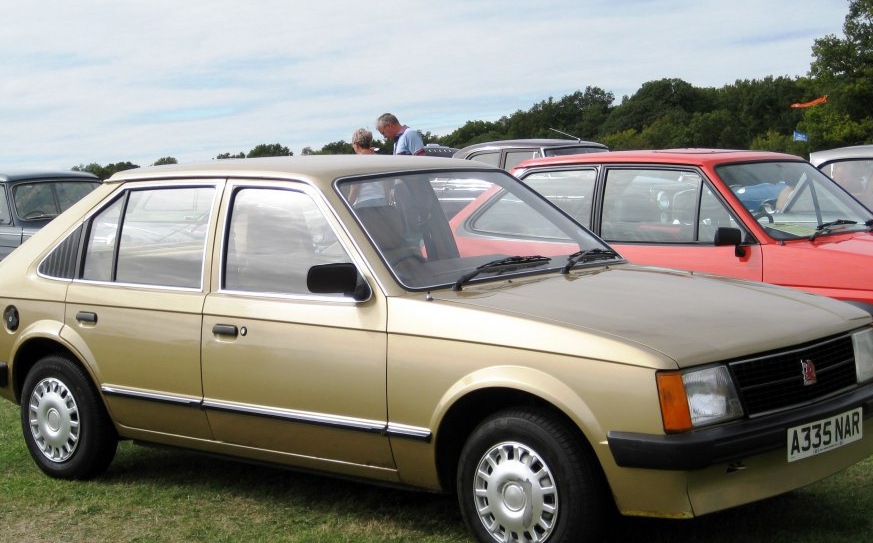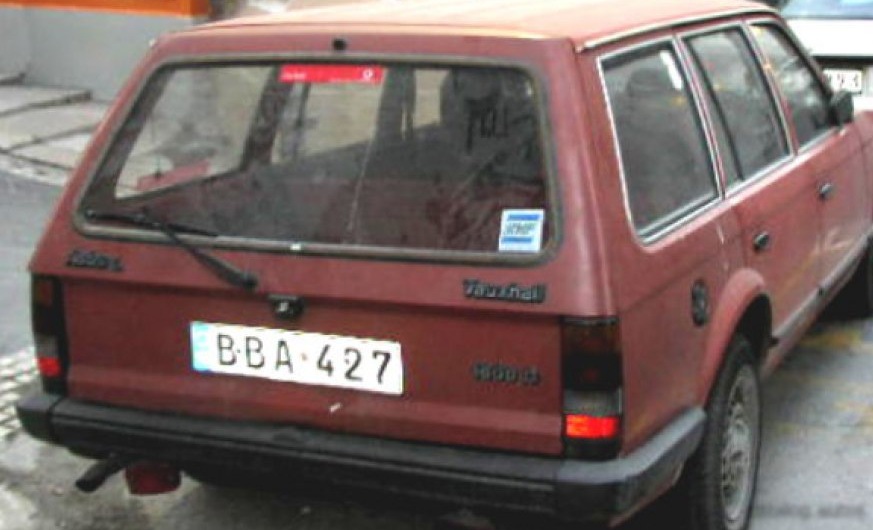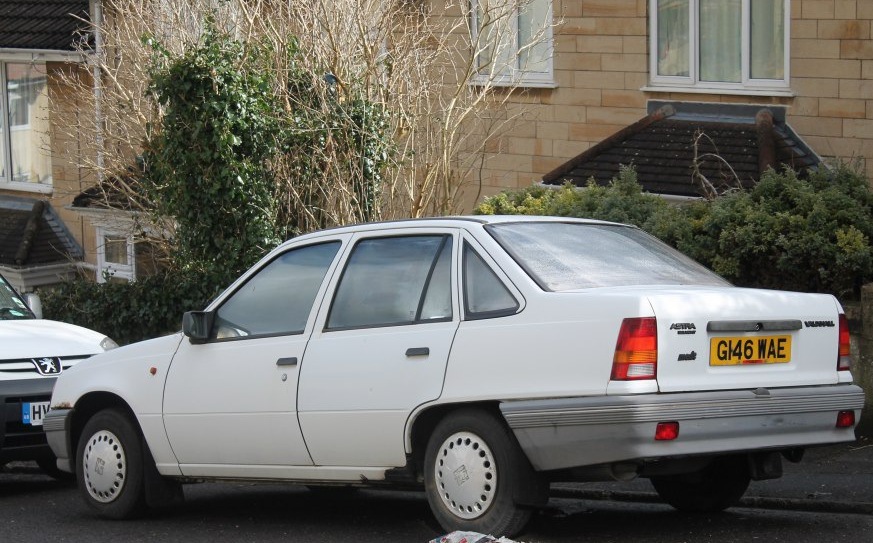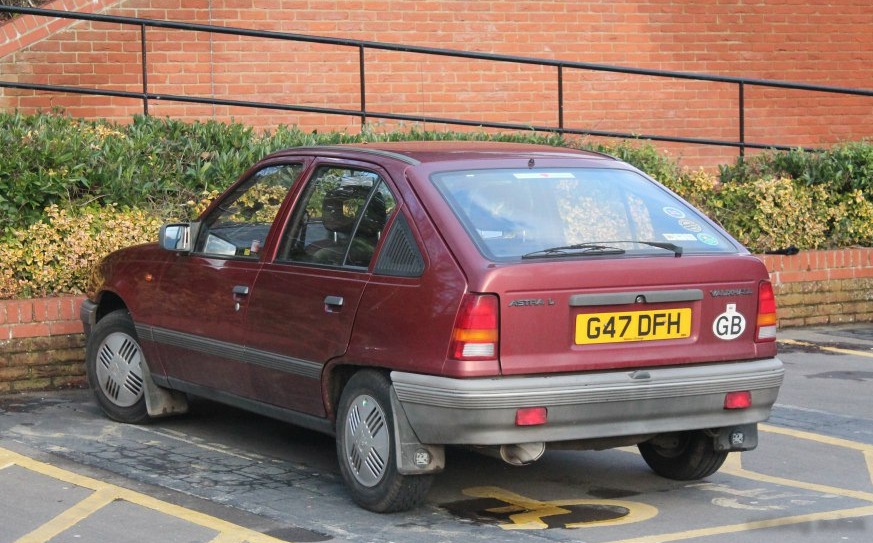
The Vauxhall Astra Mk II, produced between 1984 and 1991, represented a significant step forward for Vauxhall in the competitive small family car segment. The “CC” designation denoted the coupe/hatchback body style, offering a more sporting aesthetic than the traditional saloon. Within the Mk II range, the 1.6 S (82 hp) variant occupied a middle ground, aiming to provide a balance between affordability, reasonable performance, and a degree of style. It was positioned above the base models with smaller engines, but below the more powerful and often better-equipped versions like the SR. This model was a key player in the UK market, competing directly with rivals like the Ford Escort, Austin Metro, and Peugeot 205.
Technical Specifications
| Brand | Vauxhall |
| Model | Astra |
| Generation | Astra Mk II CC |
| Type (Engine) | 1.6 S (82 Hp) |
| Start of production | 1984 |
| End of production | 1991 |
| Powertrain Architecture | Internal Combustion engine |
| Body type | Hatchback |
| Seats | 5 |
| Doors | 3-5 |
| Fuel Type | Petrol (Gasoline) |
| Power | 82 Hp @ 5200 rpm |
| Power per litre | 51.3 Hp/l |
| Engine layout | Front, Transverse |
| Engine Model/Code | 16SV |
| Engine displacement | 1598 cm3 |
| Engine displacement (cu. in.) | 97.52 cu. in. |
| Number of cylinders | 4 |
| Engine configuration | Inline |
| Cylinder Bore | 79 mm |
| Cylinder Bore (in.) | 3.11 in. |
| Piston Stroke | 81.5 mm |
| Piston Stroke (in.) | 3.21 in. |
| Compression ratio | 10:1 |
| Number of valves per cylinder | 2 |
| Fuel injection system | Carburettor |
| Engine aspiration | Naturally aspirated engine |
| Engine oil capacity | 3.5 l |
| Engine oil capacity (US qt) | 3.7 US qt |
| Engine oil capacity (UK qt) | 3.08 UK qt |
| Coolant | 6.2 l |
| Coolant (US qt) | 6.55 US qt |
| Coolant (UK qt) | 5.46 UK qt |
| Trunk (boot) space – minimum | 390 l |
| Trunk (boot) space – minimum (cu. ft.) | 13.77 cu. ft. |
| Trunk (boot) space – maximum | 1000 l |
| Trunk (boot) space – maximum (cu. ft.) | 35.31 cu. ft. |
| Length | 3998 mm |
| Length (in.) | 157.4 in. |
| Width | 1663 mm |
| Width (in.) | 65.47 in. |
| Height | 1400 mm |
| Height (in.) | 55.12 in. |
| Wheelbase | 2520 mm |
| Wheelbase (in.) | 99.21 in. |
| Front track | 1400 mm |
| Front track (in.) | 55.12 in. |
| Rear (Back) track | 1405 mm |
| Rear (Back) track (in.) | 55.31 in. |
| Drivetrain Architecture | The Internal combustion engine (ICE) drives the front wheels of the vehicle. |
| Drive wheel | Front wheel drive |
| Number of gears and type of gearbox | 5 gears, manual transmission |
Powertrain & Engine Architecture
The heart of the Astra 1.6 S was the 16SV engine, a 1.6-liter inline-four cylinder petrol engine. This engine, while not particularly sophisticated by modern standards, was known for its durability and relative simplicity. It featured a single overhead camshaft (SOHC) operating two valves per cylinder. Crucially, this variant utilized a carburettor – typically a Solex or similar – for fuel delivery, rather than fuel injection which was becoming more common in this era. This carburettor setup contributed to its lower cost but also impacted its fuel efficiency and responsiveness compared to injected counterparts. The 16SV produced 82 horsepower at 5200 rpm and approximately 108 lb-ft of torque. The engine was transversely mounted in the front of the vehicle, driving the front wheels. The five-speed manual transmission was the standard offering, providing a reasonable spread of gears for both urban driving and motorway cruising.
Driving Characteristics
The Astra 1.6 S, with its 82 hp, wasn’t a performance car, but it offered adequate acceleration for everyday driving. Zero to sixty mph times were typically in the 11-12 second range. The carburettor meant throttle response wasn’t particularly sharp, and the engine needed to be revved to extract its best performance. The five-speed gearbox was well-matched to the engine’s characteristics, allowing drivers to keep the engine in its optimal power band. Compared to the base 1.3-liter models, the 1.6 S offered a noticeable improvement in both acceleration and cruising ability. However, it lacked the punch of the later 1.8 and 2.0-liter versions, or the torque of the diesel options. The steering was light and precise, making it easy to maneuver in town, while the suspension provided a comfortable, if somewhat uninspiring, ride.
Equipment & Trim Levels
The “S” trim level on the Astra Mk II denoted a step up in equipment compared to the base models. Standard features typically included a basic stereo, cloth upholstery, and a more comprehensive instrument panel. The interior was functional and durable, though not particularly luxurious. Optional extras included a sunroof, upgraded stereo systems, and central locking. The 3-door coupe version often appealed to younger buyers and those seeking a sportier look, while the 5-door hatchback offered greater practicality for families. The interior trim was generally dark colored, with grey or blue cloth upholstery being common.
Chassis & Braking
The Astra Mk II utilized a MacPherson strut front suspension and a twist-beam rear suspension. This setup provided a good balance between ride comfort and handling. The 1.6 S typically featured front disc brakes and rear drum brakes, which were adequate for the car’s weight and performance. Stabilizer bars were fitted to both the front and rear axles to reduce body roll during cornering. The steering was rack and pinion, providing precise and responsive control. The relatively lightweight construction of the Astra Mk II contributed to its nimble handling characteristics.
Market Reception & Comparison
The Astra 1.6 S was generally well-received by motoring journalists as a practical and affordable family car. Critics praised its durability and fuel economy, but noted that its performance was modest. Compared to rivals like the Ford Escort 1.6, the Astra offered a slightly more refined ride, but the Escort was often considered to be more engaging to drive. The Astra’s carburettor-equipped engine was less fuel-efficient than the fuel-injected engines offered by some competitors. However, the lower initial cost of the Astra made it an attractive option for budget-conscious buyers. Reliability was generally good, although carburettor issues could occasionally arise.
Legacy
The Vauxhall Astra Mk II 1.6 S remains a relatively common sight on UK roads today, testament to its durability and affordability. The 16SV engine, while not a technological marvel, proved to be robust and relatively easy to maintain. Parts availability is generally good, making it a viable option for classic car enthusiasts. However, age-related issues such as rust and wear and tear on suspension components are common. In the used car market, these Astras are typically valued for their simplicity and low running costs, making them popular choices for first-time drivers or those seeking a reliable and inexpensive mode of transport. The 1.6 S variant, in particular, represents a sweet spot in the range, offering a good balance of performance, economy, and affordability.