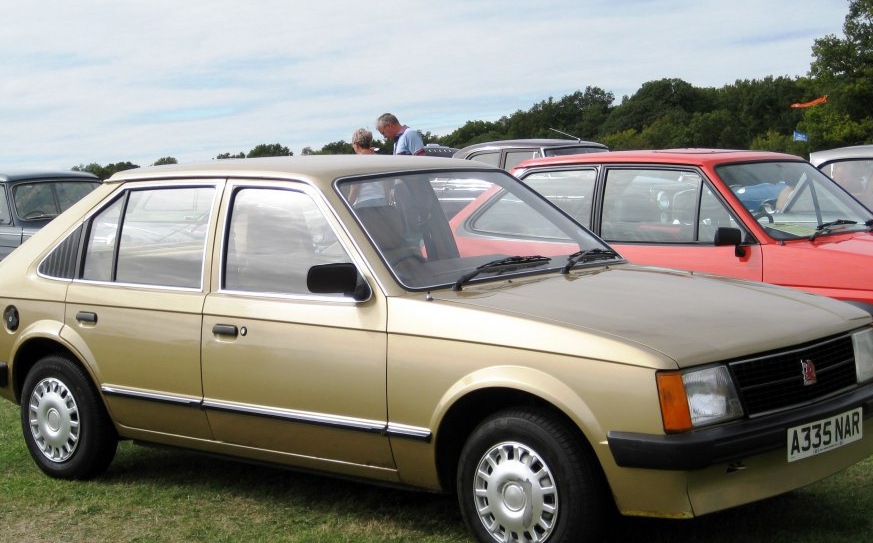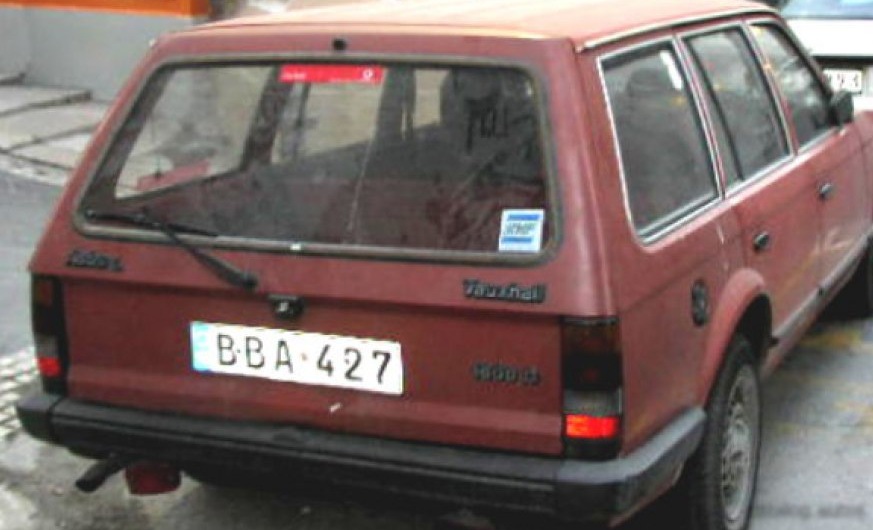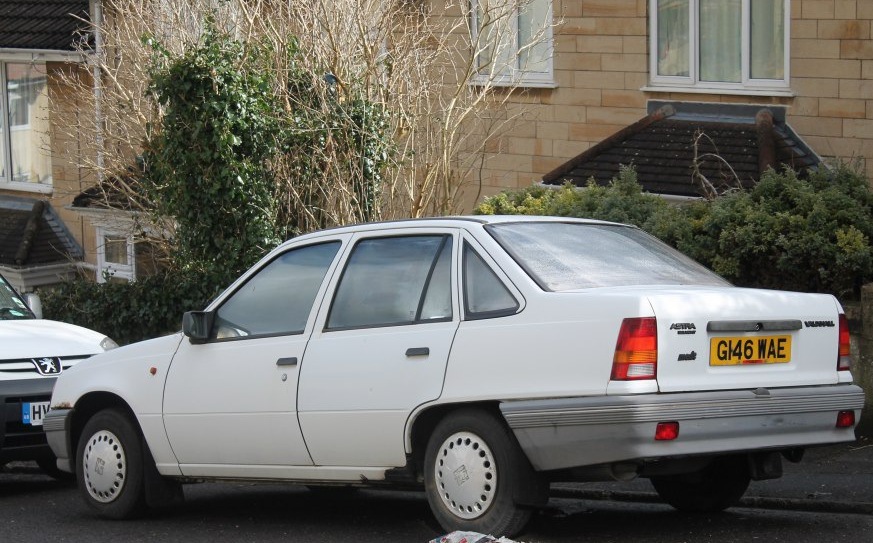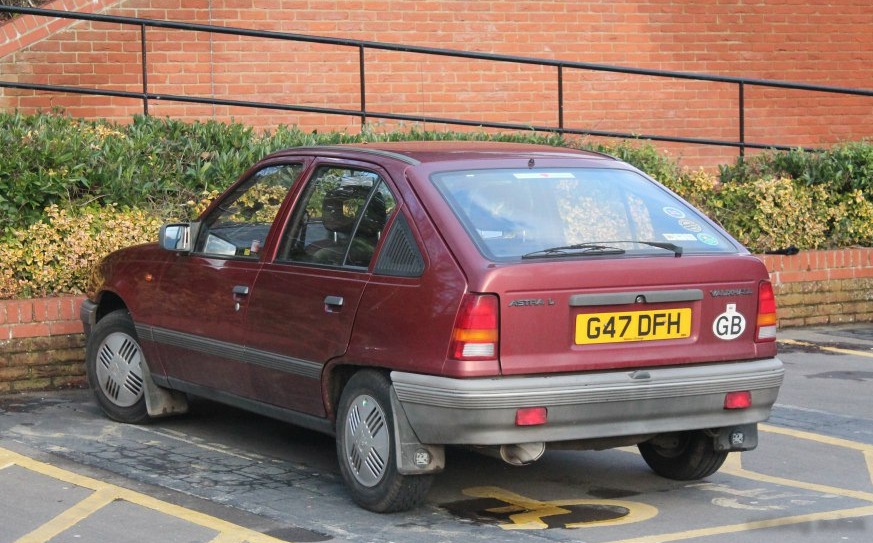
The Vauxhall Astra Mk II CC 1.8 GTE, produced between 1986 and 1991, represented a performance-oriented variant within the second generation of the Astra. Positioned as a sporty trim level, the GTE (Grand Tourismo Evolution) aimed to deliver a more engaging driving experience than the standard Astra models. This particular iteration, powered by the 18SE 1.8-liter engine producing 112 horsepower, occupied a middle ground in the GTE lineup, offering a balance between performance and affordability. It was a key player in Vauxhall’s attempt to capture a larger share of the burgeoning hot hatch market in the United Kingdom and Europe, competing with rivals like the Ford Escort XR3 and Volkswagen Golf GTI. The Mk II Astra, built on the GM T-platform (internally known as the 4100 series), was a significant step forward for Vauxhall, offering improved styling, comfort, and technology compared to its predecessor.
Technical Specifications
| Brand | Vauxhall |
| Model | Astra |
| Generation | Astra Mk II CC |
| Type (Engine) | 1.8 GTE (112 Hp) |
| Start of production | 1986 |
| End of production | 1991 |
| Powertrain Architecture | Internal Combustion engine |
| Body type | Hatchback |
| Seats | 5 |
| Doors | 3-5 |
| Fuel Type | Petrol (Gasoline) |
| Acceleration 0 – 100 km/h | 9.3 sec |
| Acceleration 0 – 62 mph | 9.3 sec |
| Acceleration 0 – 60 mph | 8.8 sec |
| Maximum speed | 195 km/h (121.17 mph) |
| Weight-to-power ratio | 8.6 kg/Hp, 116.1 Hp/tonne |
| Weight-to-torque ratio | 6.1 kg/Nm, 163.7 Nm/tonne |
| Power | 112 Hp @ 5600 rpm |
| Power per litre | 62.4 Hp/l |
| Torque | 158 Nm @ 3000 rpm (116.53 lb.-ft. @ 3000 rpm) |
| Engine layout | Front, Transverse |
| Engine Model/Code | 18SE |
| Engine displacement | 1796 cm3 (109.6 cu. in.) |
| Number of cylinders | 4 |
| Engine configuration | Inline |
| Cylinder Bore | 84.8 mm (3.34 in.) |
| Piston Stroke | 79.5 mm (3.13 in.) |
| Compression ratio | 10:1 |
| Number of valves per cylinder | 2 |
| Engine aspiration | Naturally aspirated engine |
| Engine oil capacity | 4 l (4.23 US qt | 3.52 UK qt) |
| Coolant | 6.9 l (7.29 US qt | 6.07 UK qt) |
| Kerb Weight | 965 kg (2127.46 lbs.) |
| Max. weight | 1445 kg (3185.68 lbs.) |
| Max load | 480 kg (1058.22 lbs.) |
| Trunk (boot) space – minimum | 390 l (13.77 cu. ft.) |
| Trunk (boot) space – maximum | 1000 l (35.31 cu. ft.) |
| Fuel tank capacity | 52 l (13.74 US gal | 11.44 UK gal) |
| Length | 3998 mm (157.4 in.) |
| Width | 1663 mm (65.47 in.) |
| Height | 1400 mm (55.12 in.) |
| Wheelbase | 2520 mm (99.21 in.) |
| Front track | 1400 mm (55.12 in.) |
| Rear (Back) track | 1405 mm (55.31 in.) |
| Drag coefficient (Cd) | 0.32 |
| Minimum turning circle | 10.5 m (34.45 ft.) |
| Drivetrain Architecture | The Internal combustion engine (ICE) drives the front wheels of the vehicle. |
| Drive wheel | Front wheel drive |
| Number of gears and type of gearbox | 5 gears, manual transmission |
| Tires size | 175/65 R14 |
| Wheel rims size | 14 |
Powertrain & Engine Architecture
The heart of the Astra 1.8 GTE was the 18SE engine, a 1.8-liter inline-four cylinder unit. This engine featured a cast iron block and an aluminum cylinder head, employing a single overhead camshaft (SOHC) design with two valves per cylinder. Fuel delivery was managed by Bosch Mono-Jetronic fuel injection, a system known for its simplicity and relative reliability, though less sophisticated than multi-point injection systems found in some contemporary rivals. The 18SE engine produced 112 horsepower at 5600 rpm and 158 Nm (116.53 lb-ft) of torque at 3000 rpm. The engine’s design prioritized drivability and fuel efficiency over outright performance. The transmission was a five-speed manual gearbox, offering a reasonably direct and engaging shift feel. While an automatic transmission was available on other Astra models, it wasn’t typically paired with the GTE trim due to its performance focus.
Driving Characteristics
The 1.8 GTE offered a noticeable step up in performance compared to the base Astra models. Acceleration from 0 to 60 mph took around 8.8 seconds, and it could achieve a top speed of approximately 121 mph. However, it wasn’t a particularly quick car by modern standards, and its performance was noticeably less than the more powerful 2.0-liter GTE variants. The 1.8 GTE’s strength lay in its balanced handling and predictable power delivery. The suspension, while relatively simple – typically featuring MacPherson struts at the front and a twist-beam axle at the rear – provided a comfortable ride without sacrificing too much handling agility. The five-speed manual gearbox allowed drivers to keep the engine in its sweet spot, maximizing performance. The gear ratios were well-chosen for everyday driving, providing adequate acceleration in most situations. Compared to the 2.0-liter GTE, the 1.8 felt less urgent, requiring more gear changes to maintain momentum, but it was also more forgiving and easier to drive at lower speeds.
Equipment & Trim Levels
The Astra 1.8 GTE came with a number of features designed to enhance its sporty appeal. Standard equipment typically included a sports steering wheel, upgraded seats with more supportive bolstering, a rev counter, and a rear spoiler. Exterior styling cues included color-coded bumpers and side skirts, giving the GTE a more aggressive look than the standard Astra. Optional extras included electric windows, central locking, and a sunroof. Interior trim was generally functional and durable, with a focus on practicality rather than luxury. Upholstery was typically cloth, available in a variety of patterns and colors. The GTE trim level was positioned as a mid-range performance option, offering a good balance of features and affordability.
Chassis & Braking
The Astra Mk II CC utilized a front-wheel-drive layout with a relatively simple chassis design. The front suspension consisted of MacPherson struts with an anti-roll bar, while the rear suspension employed a torsion beam axle. Braking was typically accomplished with disc brakes at the front and drum brakes at the rear, although some later models featured disc brakes all around. The braking system was adequate for the car’s performance, but it lacked the stopping power of more modern vehicles. The 1.8 GTE models generally had slightly stiffer suspension settings than the standard Astra, contributing to improved handling. Stabilizer bar thickness was typically 22mm at the front.
Market Reception & Comparison
The Astra 1.8 GTE was generally well-received by automotive critics, who praised its handling, fuel efficiency, and affordability. However, some reviewers noted that its performance was not as impressive as that of its rivals, particularly the Volkswagen Golf GTI and Ford Escort XR3. Fuel economy was a strong point, with the 1.8 GTE achieving around 35-40 mpg in mixed driving. Reliability was generally good, although the Mono-Jetronic fuel injection system could occasionally require maintenance. Compared to the 2.0-liter GTE, the 1.8 offered a lower purchase price and slightly better fuel economy, making it a more attractive option for budget-conscious buyers. However, the 2.0-liter model provided significantly more performance.
Legacy
The Vauxhall Astra Mk II CC 1.8 GTE remains a popular classic car among enthusiasts. The 18SE engine, while not particularly powerful, is known for its durability and relative simplicity, making it relatively easy to maintain. Parts availability is generally good, although some trim-specific components can be difficult to find. Today, these cars are often sought after as affordable entry points into classic car ownership, offering a nostalgic driving experience and a connection to the 1980s hot hatch scene. Well-maintained examples are appreciating in value, reflecting their growing popularity among collectors. The 1.8 GTE represents a significant chapter in Vauxhall’s history, demonstrating the brand’s commitment to offering sporty and engaging vehicles to a wider audience.