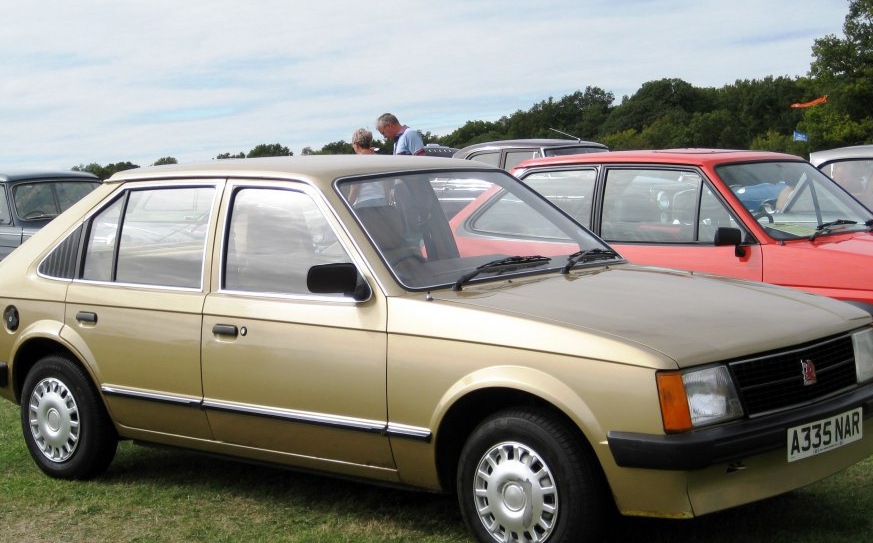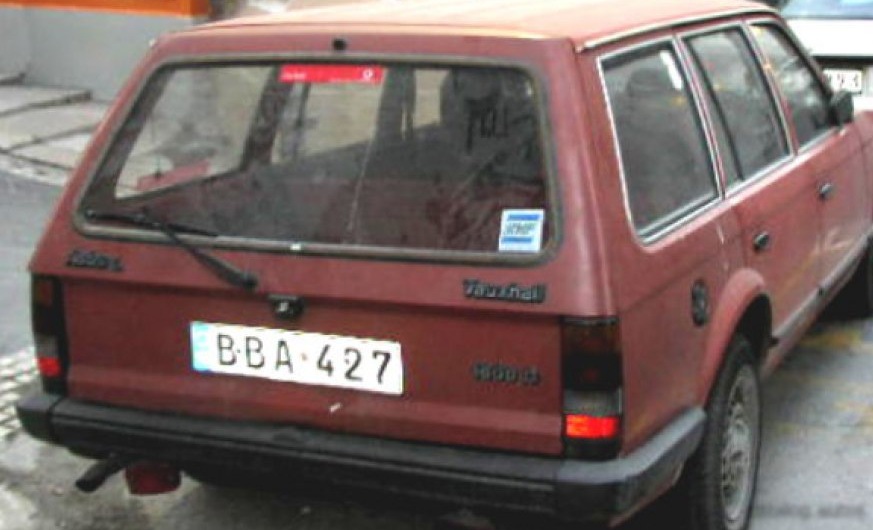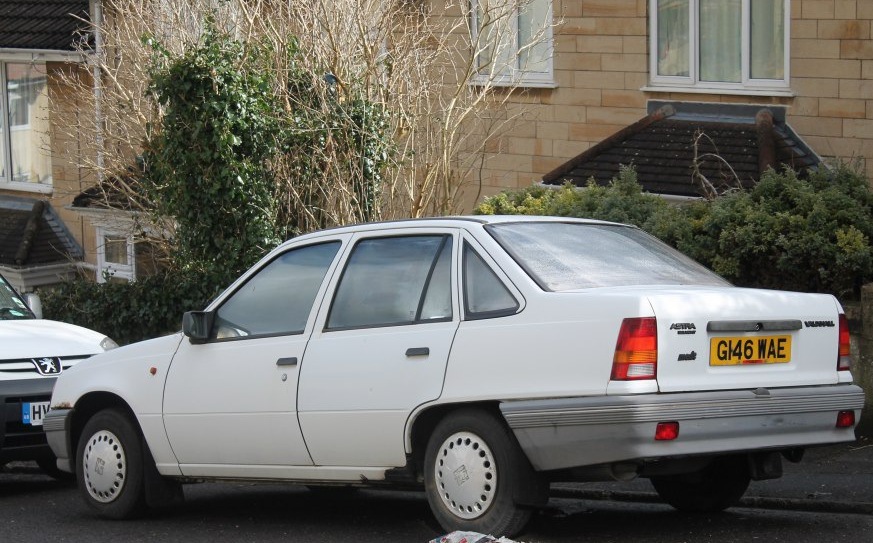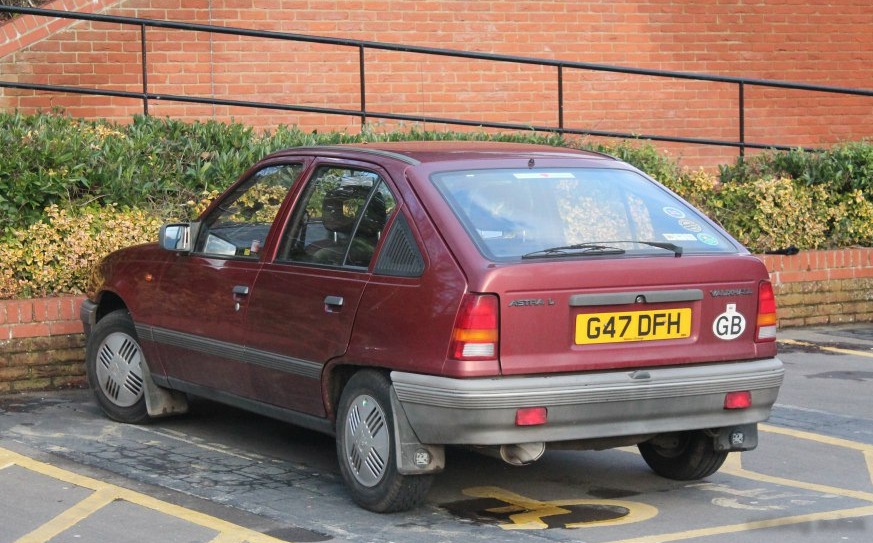
The Vauxhall Astra Mk II CC 2.0 GTE, produced between 1986 and 1989, represented the performance pinnacle of the Mk II Astra range. Positioned as the flagship model, the GTE (Grand Tourismo Evolution) offered a significant step up in power and handling compared to lower-spec Astra variants. It was a key player in the hot hatch market of the late 1980s, competing with rivals like the Ford Escort RS Turbo and Volkswagen Golf GTI. The “CC” designation denotes the coupe/hatchback body style, offering a blend of practicality and sporty aesthetics. This variant was primarily sold in the United Kingdom and mainland Europe, embodying a period of British automotive engineering focused on accessible performance.
Technical Specifications
| Brand | Vauxhall |
| Model | Astra |
| Generation | Astra Mk II CC |
| Type (Engine) | 2.0 GTE (129 Hp) |
| Start of production | 1986 |
| End of production | 1989 |
| Powertrain Architecture | Internal Combustion engine |
| Body type | Hatchback |
| Seats | 5 |
| Doors | 3-5 |
| Fuel Type | Petrol (Gasoline) |
| Acceleration 0 – 100 km/h | 8.5 sec |
| Acceleration 0 – 62 mph | 8.5 sec |
| Acceleration 0 – 60 mph | 8.1 sec |
| Maximum speed | 206 km/h (128 mph) |
| Weight-to-power ratio | 7.4 kg/Hp, 135.8 Hp/tonne |
| Weight-to-torque ratio | 5.3 kg/Nm, 189.5 Nm/tonne |
| Power | 129 Hp @ 5600 rpm |
| Power per litre | 64.6 Hp/l |
| Torque | 180 Nm @ 4600 rpm (132.76 lb.-ft. @ 4600 rpm) |
| Engine layout | Front, Transverse |
| Engine Model/Code | 20SEH |
| Engine displacement | 1998 cm3 (121.93 cu. in.) |
| Number of cylinders | 4 |
| Engine configuration | Inline |
| Cylinder Bore | 86 mm (3.39 in.) |
| Piston Stroke | 86 mm (3.39 in.) |
| Compression ratio | 10:1 |
| Number of valves per cylinder | 2 |
| Fuel injection system | Direct injection and Multi-port manifold injection |
| Engine aspiration | Naturally aspirated engine |
| Valvetrain | SOHC |
| Engine oil capacity | 4 l (4.23 US qt | 3.52 UK qt) |
| Coolant | 6.9 l (7.29 US qt | 6.07 UK qt) |
| Kerb Weight | 950 kg (2094.39 lbs.) |
| Max. weight | 1465 kg (3229.77 lbs.) |
| Max load | 515 kg (1135.38 lbs.) |
| Trunk (boot) space – minimum | 390 l (13.77 cu. ft.) |
| Trunk (boot) space – maximum | 1000 l (35.31 cu. ft.) |
| Fuel tank capacity | 52 l (13.74 US gal | 11.44 UK gal) |
| Length | 3998 mm (157.4 in.) |
| Width | 1666 mm (65.59 in.) |
| Height | 1395 mm (54.92 in.) |
| Wheelbase | 2520 mm (99.21 in.) |
| Front track | 1400 mm (55.12 in.) |
| Rear (Back) track | 1405 mm (55.31 in.) |
| Drag coefficient (Cd) | 0.30 |
| Minimum turning circle | 10.5 m (34.45 ft.) |
| Drivetrain Architecture | The Internal combustion engine (ICE) drives the front wheels of the vehicle. |
| Drive wheel | Front wheel drive |
| Number of gears | 5 gears, manual transmission |
| Tires size | 185/60 R14 |
| Wheel rims size | 14 |
Powertrain & Engine Architecture
The heart of the Astra Mk II 2.0 GTE was the 20SEH engine, a 1998cc inline-four cylinder unit. This engine featured a single overhead camshaft (SOHC) valvetrain operating two valves per cylinder. It utilized Bosch Motronic fuel injection, a sophisticated system for its time, combining direct and multi-port injection for optimized fuel delivery and efficiency. The 20SEH was known for its relatively robust construction and willingness to rev, producing 129 horsepower at 5600 rpm and 180 Nm (132.76 lb-ft) of torque at 4600 rpm. The engine’s design prioritized drivability over outright peak power, making it a flexible performer in everyday driving situations. The GTE exclusively came with a five-speed manual transmission, chosen to complement the engine’s performance characteristics and appeal to driving enthusiasts.
Driving Characteristics
The 2.0 GTE offered a noticeable performance upgrade over the lower-powered Astra variants. Acceleration from 0-60 mph was achieved in approximately 8.1 seconds, and it could reach a top speed of 128 mph. While not groundbreaking by modern standards, this performance was competitive within the hot hatch segment of the late 1980s. The five-speed gearbox was well-matched to the engine’s powerband, providing crisp shifts and allowing the driver to keep the engine in its optimal rev range. The GTE’s suspension was also upgraded compared to standard Astras, featuring stiffer springs and dampers, and a thicker anti-roll bar, resulting in reduced body roll and improved handling. However, the ride quality was firmer, a trade-off for the enhanced handling capabilities. Compared to the later 16-valve GTE models, the 8-valve 2.0 GTE offered a more linear power delivery, making it more accessible and forgiving for less experienced drivers.
Equipment & Trim Levels
The Astra Mk II 2.0 GTE came reasonably well-equipped for its era. Standard features included a sunroof, alloy wheels, a rear spoiler, and a sports steering wheel. The interior featured bolstered sports seats, often upholstered in a distinctive patterned cloth. Optional extras included central locking, electric windows, and upgraded audio systems. The dashboard layout was typical of the Mk II Astra, with a functional and straightforward design. The GTE trim level was distinguished by its unique exterior styling cues, including a body-colored front spoiler and side skirts, and a more aggressive overall appearance.
Chassis & Braking
The Astra Mk II GTE utilized a MacPherson strut front suspension and a twist-beam rear axle. The front brakes were ventilated discs, providing adequate stopping power, while the rear brakes were typically drum brakes on lower-spec GTEs, with some later models receiving rear disc brakes. The steering was rack and pinion, offering precise and responsive control. The chassis was reinforced compared to standard Astras to handle the increased power and stresses of performance driving. The suspension setup aimed to strike a balance between handling and ride comfort, although the firmer springs and dampers resulted in a noticeably firmer ride than lower-spec models.
Market Reception & Comparison
The Astra Mk II 2.0 GTE was generally well-received by automotive critics. It was praised for its performance, handling, and value for money. However, some critics noted that the interior was somewhat basic compared to rivals like the Golf GTI. In terms of fuel economy, the GTE was reasonably efficient for a performance car of its time, achieving around 30-35 mpg on average. Compared to the 1.8-liter GTE, the 2.0-liter version offered a significant performance advantage, but at a slightly higher price point. The 2.0 GTE was positioned as a more mature and refined alternative to the more overtly sporty 1.8-liter model.
Legacy
The Astra Mk II 2.0 GTE has become a sought-after classic car among enthusiasts. The 20SEH engine is known for its reliability and durability, although regular maintenance is essential to keep it running smoothly. Rust is a common issue with these cars, particularly in areas prone to moisture. Well-maintained examples of the 2.0 GTE are becoming increasingly rare and valuable, representing a significant piece of 1980s British automotive history. The GTE’s blend of performance, practicality, and affordability made it a popular choice among a generation of drivers, and it continues to be appreciated by classic car enthusiasts today.