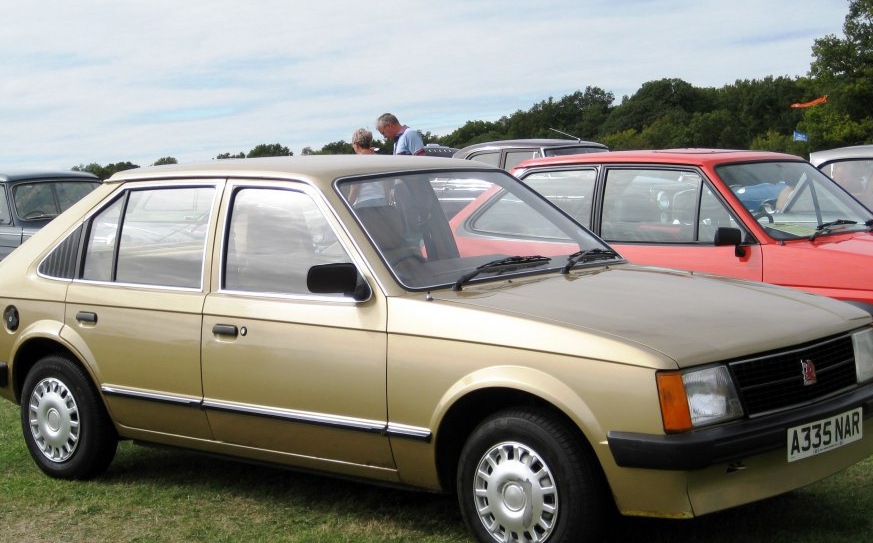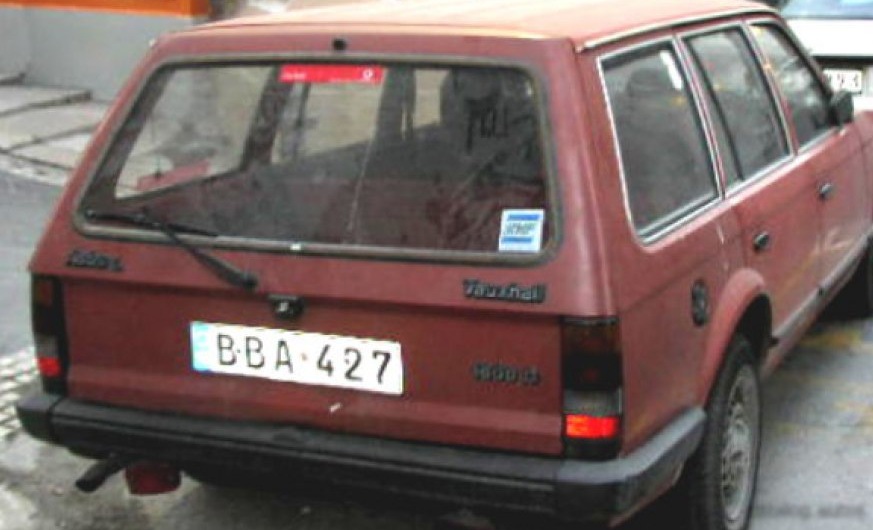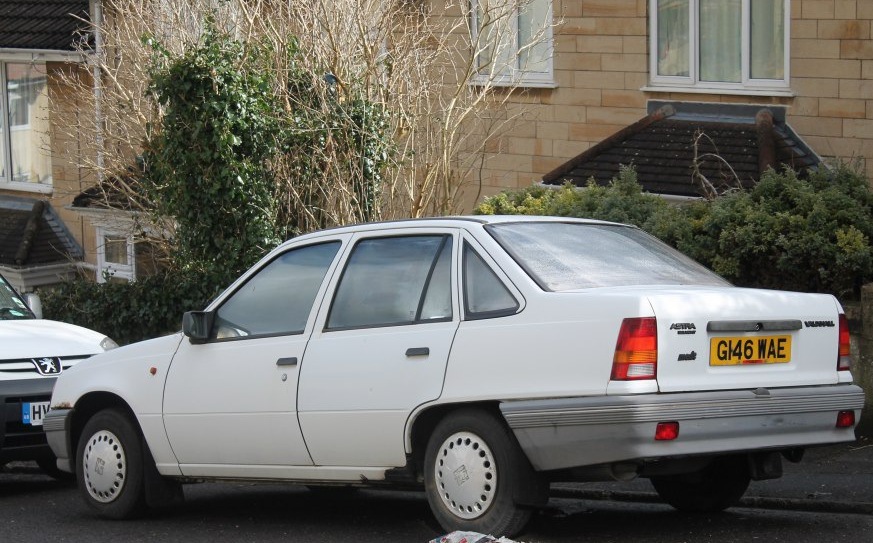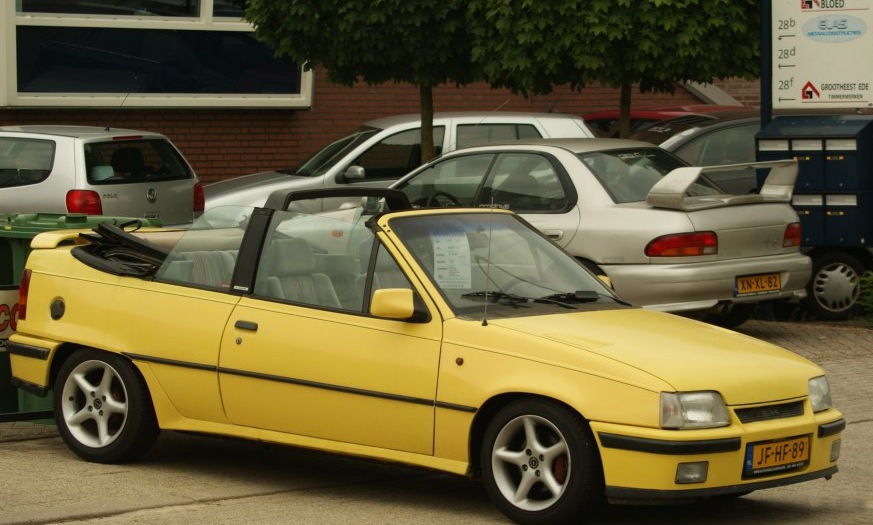
The Vauxhall Astra Mk II Convertible 1.6i CAT, produced between 1987 and 1993, represented a significant offering in the affordable British convertible market. Falling within the ‘Mk II’ generation (1986-1991) of the Astra, this variant aimed to provide open-top motoring to a wider audience. The ‘CAT’ designation refers to the catalytic converter fitted to meet increasingly stringent emissions regulations. This model occupied the entry-level to mid-range position within the convertible lineup, offering a balance between affordability and the enjoyment of a soft-top experience. It was a key part of Vauxhall’s strategy to broaden the appeal of the Astra range beyond the practical hatchback and estate models.
Technical Specifications
| Brand | Vauxhall |
| Model | Astra |
| Generation | Astra Mk II Convertible |
| Type (Engine) | 1.6i CAT (75 Hp) |
| Start of production | 1987 |
| End of production | 1993 |
| Powertrain Architecture | Internal Combustion engine |
| Body type | Cabriolet |
| Seats | 4 |
| Doors | 2 |
| Fuel Type | Petrol (Gasoline) |
| Acceleration 0 – 100 km/h | 13.5 sec |
| Acceleration 0 – 62 mph | 13.5 sec |
| Acceleration 0 – 60 mph | 12.8 sec |
| Maximum speed | 167 km/h (103.77 mph) |
| Weight-to-power ratio | 13.1 kg/Hp, 76.5 Hp/tonne |
| Weight-to-torque ratio | 7.9 kg/Nm, 126.5 Nm/tonne |
| Power | 75 Hp @ 5200 rpm |
| Power per litre | 46.9 Hp/l |
| Torque | 124 Nm @ 3400 rpm (91.46 lb.-ft. @ 3400 rpm) |
| Engine layout | Front, Transverse |
| Engine Model/Code | C16LZ, C16NZ |
| Engine displacement | 1598 cm3 (97.52 cu. in.) |
| Number of cylinders | 4 |
| Engine configuration | Inline |
| Cylinder Bore | 80 mm (3.15 in.) |
| Piston Stroke | 79.5 mm (3.13 in.) |
| Compression ratio | 9.2:1 |
| Number of valves per cylinder | 2 |
| Fuel injection system | Multi-port manifold injection |
| Engine aspiration | Naturally aspirated engine |
| Valvetrain | SOHC |
| Engine oil capacity | 3.5 l (3.7 US qt | 3.08 UK qt) |
| Coolant | 6.4 l (6.76 US qt | 5.63 UK qt) |
| Kerb Weight | 980 kg (2160.53 lbs) |
| Max. weight | 1405 kg (3097.49 lbs) |
| Max load | 425 kg (936.96 lbs) |
| Trunk (boot) space – minimum | 290 l (10.24 cu. ft.) |
| Trunk (boot) space – maximum | 620 l (21.9 cu. ft.) |
| Fuel tank capacity | 52 l (13.74 US gal | 11.44 UK gal) |
| Length | 3998 mm (157.4 in.) |
| Width | 1663 mm (65.47 in.) |
| Height | 1385 mm (54.53 in.) |
| Wheelbase | 2520 mm (99.21 in.) |
| Front track | 1400 mm (55.12 in.) |
| Rear (Back) track | 1406 mm (55.35 in.) |
| Minimum turning circle | 10.5 m (34.45 ft.) |
| Drive wheel | Front wheel drive |
| Number of gears | 5 gears, manual transmission |
| Tires size | 175/70 R13 |
| Wheel rims size | 13 |
Powertrain & Engine Architecture
The Astra Mk II Convertible 1.6i CAT was powered by the Vauxhall/Opel C16LZ or C16NZ engine, a 1.6-liter inline-four cylinder unit. These engines were part of the ‘E-series’ family, known for their relative simplicity and durability. The engine featured a single overhead camshaft (SOHC) valvetrain operating two valves per cylinder. Fuel delivery was managed by a multi-port fuel injection system, a significant upgrade from the carbureted engines found in earlier Astras. The catalytic converter, denoted by the ‘CAT’ in the model name, was crucial for meeting the increasingly strict European emissions standards of the late 1980s and early 1990s. The engine produced 75 horsepower at 5200 rpm and 91.46 lb-ft of torque at 3400 rpm. The engine was transversely mounted, driving the front wheels.
Driving Characteristics
The 1.6i CAT engine, paired with a five-speed manual transmission, provided adequate, but not exhilarating, performance. Acceleration from 0-60 mph took around 12.8 seconds, and the top speed was approximately 103.77 mph. Compared to the more powerful 1.8 and 2.0-liter versions of the Astra, the 1.6 felt noticeably slower, particularly when fully loaded or tackling inclines. However, the lower power output also contributed to better fuel economy. The five-speed gearbox was well-matched to the engine’s characteristics, offering reasonable flexibility. The power delivery was relatively linear, making it easy to drive in everyday conditions. The convertible body style added weight compared to the hatchback, further impacting performance.
Equipment & Trim Levels
The 1.6i CAT Convertible typically came with a fairly basic level of equipment, reflecting its position as an entry-level model. Standard features included cloth upholstery, a basic stereo system, and manual windows and door locks. Power steering was often an optional extra. The dashboard layout was functional and straightforward, typical of the era. Optional extras included upgraded stereo systems, alloy wheels, and a more luxurious interior trim. The convertible top was manually operated, although some later models offered an electric option. Interior space was comparable to other compact convertibles of the time, but rear seat legroom was limited.
Chassis & Braking
The Astra Mk II Convertible utilized a MacPherson strut front suspension and a twist-beam rear suspension. The suspension setup was tuned for comfort rather than outright handling prowess. Braking was typically accomplished with disc brakes on the front wheels and drum brakes on the rear. The braking system was adequate for normal driving conditions, but lacked the stopping power of more modern systems. Stabilizer bars were fitted to both the front and rear axles to reduce body roll during cornering. The chassis was reinforced compared to the standard Astra hatchback to compensate for the loss of structural rigidity due to the removal of the roof.
Market Reception & Comparison
The Astra Mk II Convertible 1.6i CAT was generally well-received by critics as an affordable and enjoyable open-top car. It offered a good balance between price, practicality, and driving enjoyment. However, some reviewers noted the lack of performance compared to higher-powered variants. Compared to the 1.8 and 2.0-liter models, the 1.6i CAT offered better fuel economy but significantly less power. The 1.6i CAT was also more economical to insure and maintain. Reliability was generally good, although the convertible top mechanism could be prone to wear and tear over time.
Legacy
The Astra Mk II Convertible 1.6i CAT remains a popular choice among classic car enthusiasts seeking an affordable and stylish convertible. The C16LZ/C16NZ engine is known for its durability, and parts availability is generally good. However, potential buyers should be aware of the potential for rust, particularly in older examples. The 1.6i CAT’s relatively low power output means it is best suited to relaxed cruising rather than spirited driving. Today, these cars represent a nostalgic reminder of a time when open-top motoring was becoming increasingly accessible to the masses. Well-maintained examples continue to command reasonable prices in the used car market, appealing to those seeking a classic British convertible experience.