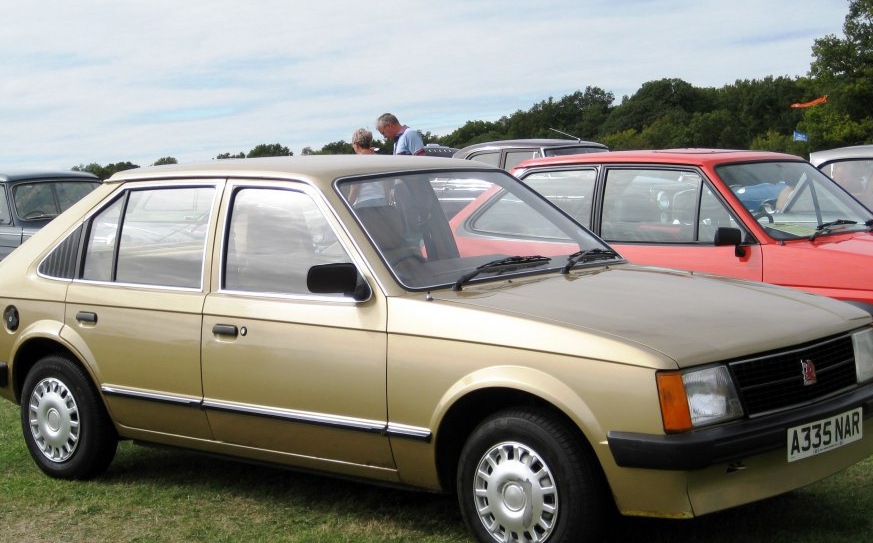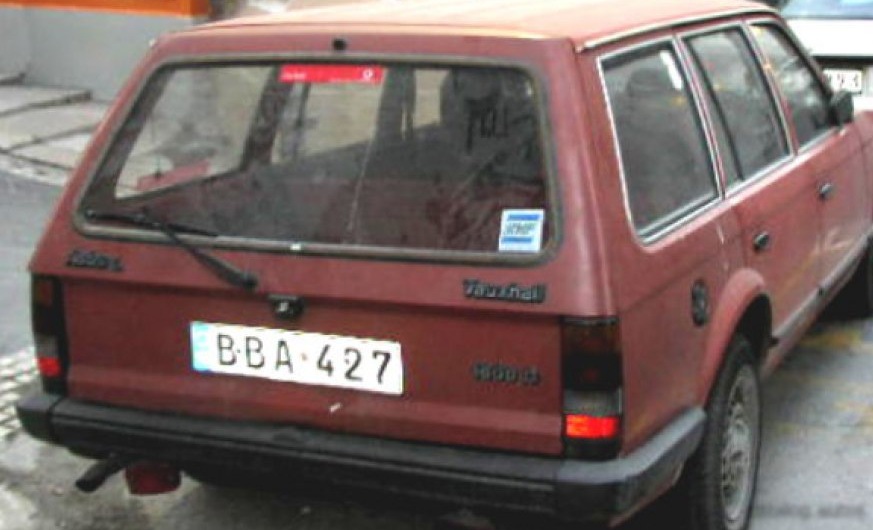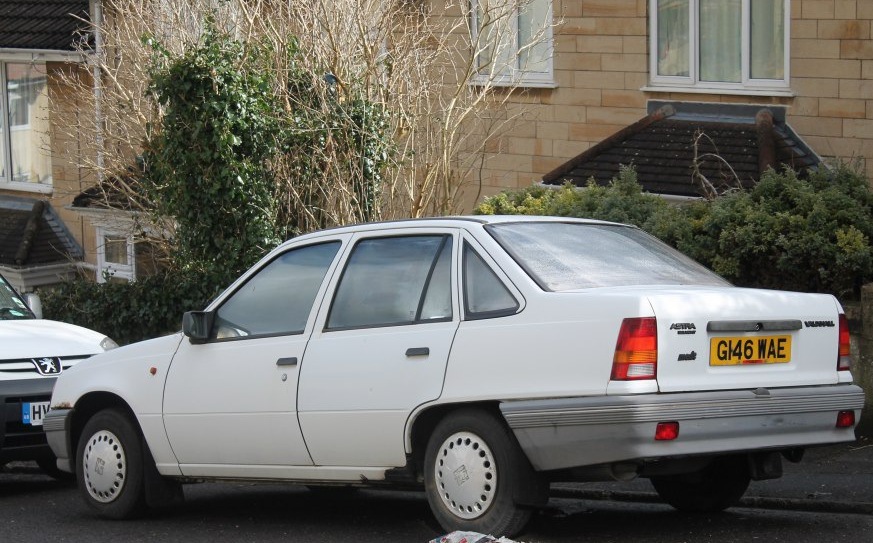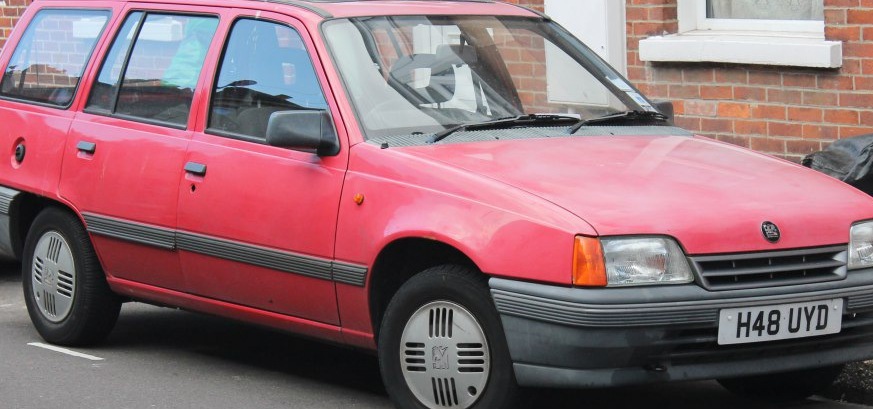
The Vauxhall Astra Mk II Estate 1.2 S, produced between 1984 and 1986, represented the entry point into the second-generation Astra range for buyers seeking practicality and economy. Positioned as a budget-friendly option within the Mk II (H series) lineup, which spanned from 1984 to 1986, this variant offered the versatility of a station wagon body style coupled with a modest, yet reliable, 1.2-liter engine. The Mk II Astra was a significant model for Vauxhall, building upon the success of the original Astra (launched in 1979) and offering a more refined and spacious package. It shared its platform with the Opel Ascona C, reflecting General Motors’ European strategy at the time.
Technical Specifications
| Brand | Vauxhall |
| Model | Astra |
| Generation | Astra Mk II Estate |
| Type (Engine) | 1.2 S (55 Hp) |
| Start of production | 1984 |
| End of production | 1986 |
| Powertrain Architecture | Internal Combustion engine |
| Body type | Station wagon (estate) |
| Seats | 5 |
| Doors | 5 |
| Fuel Type | Petrol (Gasoline) |
| Acceleration 0 – 100 km/h | 17.5 sec |
| Acceleration 0 – 62 mph | 17.5 sec |
| Acceleration 0 – 60 mph | 16.6 sec |
| Maximum speed | 150 km/h (93.21 mph) |
| Weight-to-power ratio | 16.5 kg/Hp, 60.4 Hp/tonne |
| Weight-to-torque ratio | 10.8 kg/Nm, 92.3 Nm/tonne |
| Power | 55 Hp |
| Power per litre | 46 Hp/l |
| Torque | 84 Nm @ 3600 rpm (61.96 lb.-ft. @ 3600 rpm) |
| Engine layout | Front, Transverse |
| Engine Model/Code | 12SC |
| Engine displacement | 1196 cm3 (72.98 cu. in.) |
| Number of cylinders | 4 |
| Engine configuration | Inline |
| Cylinder Bore | 79 mm (3.11 in.) |
| Piston Stroke | 61 mm (2.4 in.) |
| Compression ratio | 9.2:1 |
| Number of valves per cylinder | 2 |
| Fuel injection system | Carburettor |
| Engine aspiration | Naturally aspirated engine |
| Valvetrain | OHV |
| Engine oil capacity | 2.75 l (2.91 US qt | 2.42 UK qt) |
| Coolant | 5.7 l (6.02 US qt | 5.02 UK qt) |
| Kerb Weight | 910 kg (2006.21 lbs.) |
| Max. weight | 1420 kg (3130.56 lbs.) |
| Max load | 510 kg (1124.36 lbs.) |
| Trunk (boot) space – minimum | 470 l (16.6 cu. ft.) |
| Fuel tank capacity | 50 l (13.21 US gal | 11 UK gal) |
| Length | 4228 mm (166.46 in.) |
| Width | 1666 mm (65.59 in.) |
| Height | 1430 mm (56.3 in.) |
| Wheelbase | 2520 mm (99.21 in.) |
| Front track | 1400 mm (55.12 in.) |
| Rear (Back) track | 1405 mm (55.31 in.) |
| Drag coefficient (Cd) | 0.35 |
| Drivetrain Architecture | The Internal combustion engine (ICE) drives the front wheels of the vehicle. |
| Drive wheel | Front wheel drive |
| Number of gears and type of gearbox | 4 gears, manual transmission |
Powertrain & Engine Architecture
The heart of the Astra Mk II Estate 1.2 S was the 12SC engine, a 1.2-liter (1196 cc) inline-four cylinder unit. This engine utilized a single overhead valve (OHV) valvetrain and was fed by a carburetor, a common feature for vehicles of this era aiming for affordability. The 12SC produced 55 horsepower and 84 Nm (62 lb-ft) of torque at 3600 rpm. The engine’s relatively low compression ratio of 9.2:1 was a design choice aimed at accommodating the fuel quality available in European markets. The engine was transversely mounted, driving the front wheels. The four-speed manual transmission was the only gearbox option available with this engine, prioritizing simplicity and cost-effectiveness.
Driving Characteristics
The 1.2 S variant offered a decidedly unhurried driving experience. With only 55 horsepower propelling a vehicle weighing around 910 kg (2006 lbs), acceleration was slow, taking approximately 17.5 seconds to reach 62 mph. The carburetor contributed to a somewhat flat power delivery, requiring the driver to utilize the full rev range to extract the most performance. The four-speed gearbox had relatively widely spaced ratios, further emphasizing the engine’s lack of low-end torque. Compared to the more powerful 1.6-liter and 1.8-liter versions of the Astra Mk II, the 1.2 S felt significantly underpowered, particularly when fully loaded or tackling inclines. However, its simplicity and light weight did contribute to reasonable fuel economy for the time.
Equipment & Trim Levels
The 1.2 S trim level was the base model in the Astra Mk II Estate range. Standard equipment was fairly basic, reflecting its position as an entry-level vehicle. Typically, it included cloth upholstery, a basic dashboard layout with analog gauges, and steel wheels with hubcaps. Power steering and central locking were not standard features, but could be added as optional extras. The interior was functional and durable, prioritizing practicality over luxury. Optional extras included a radio, upgraded seat fabrics, and a sunroof.
Chassis & Braking
The Astra Mk II Estate featured a MacPherson strut front suspension and a twist-beam rear axle. The 1.2 S variant typically used drum brakes on the rear wheels, while the front wheels were equipped with disc brakes. Stabilizer bars were often omitted on the base model to further reduce costs. The suspension setup was tuned for comfort rather than sporty handling, providing a reasonably compliant ride on typical road surfaces. The steering was unassisted, requiring more effort at low speeds.
Market Reception & Comparison
The Astra Mk II Estate 1.2 S was primarily targeted at buyers seeking an affordable and practical family vehicle. Critics generally acknowledged its value for money but noted its lack of performance. Compared to the 1.6-liter and 1.8-liter Astra Estate models, the 1.2 S offered significantly lower running costs but at the expense of driving enjoyment. The 1.6-liter offered a noticeable improvement in performance, while the 1.8-liter provided a more refined driving experience. The 1.2 S’s fuel economy was a key selling point, making it an attractive option for those on a budget. Reliability was generally good, although the carburetor required periodic maintenance.
Legacy
The Astra Mk II Estate 1.2 S, while not a performance icon, holds a place in automotive history as a representative of affordable family motoring in the 1980s. The 12SC engine proved to be a durable and reliable unit, and many examples remain on the road today, often cherished by enthusiasts for their simplicity and low running costs. In the used car market, these vehicles are typically valued for their affordability and nostalgic appeal. While not highly sought after by collectors, well-maintained examples are becoming increasingly rare, making them a potentially interesting proposition for classic car enthusiasts.