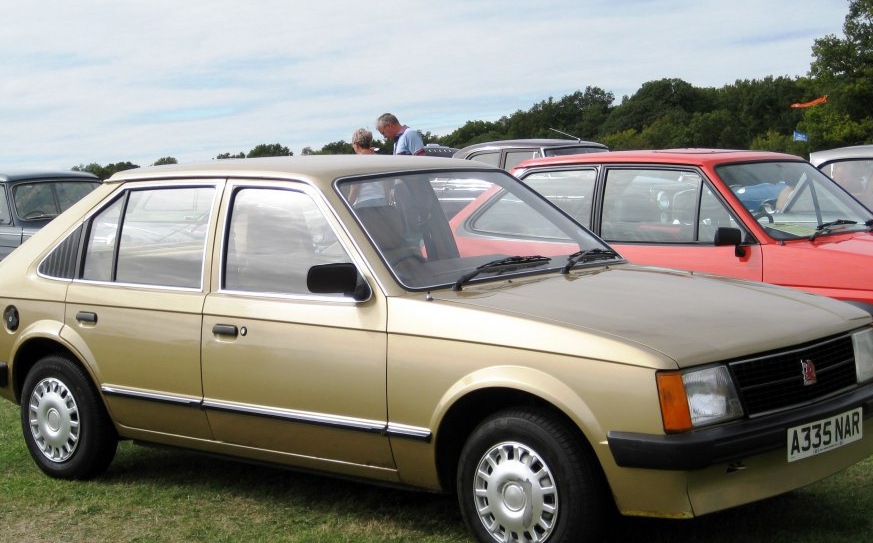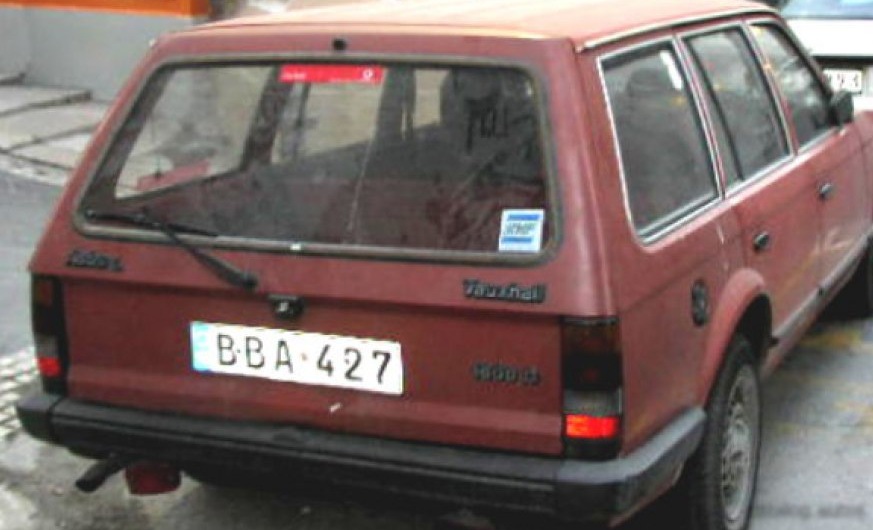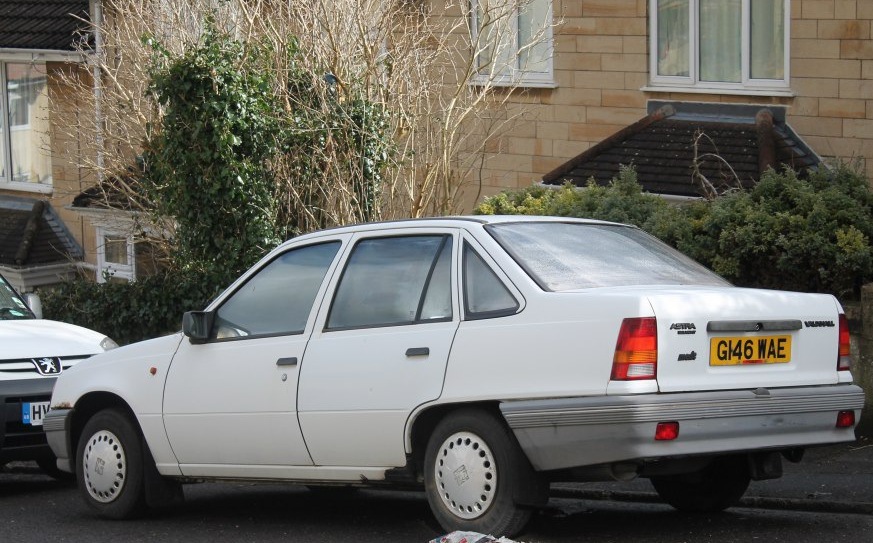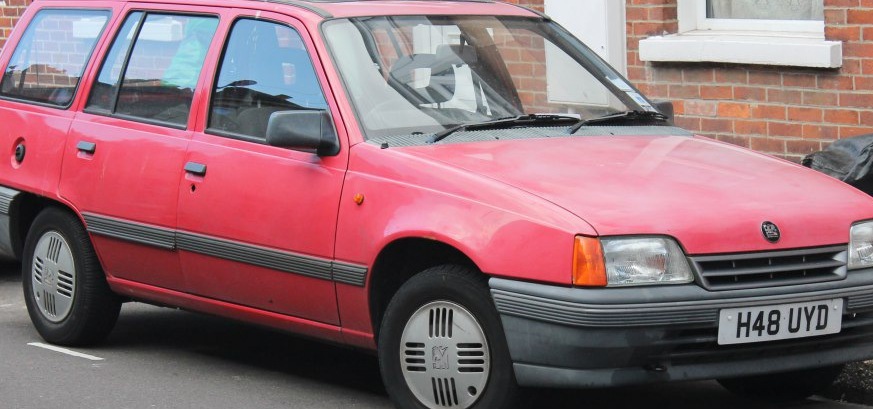
The Vauxhall Astra Mk II Estate 1.3 S, produced between 1984 and 1989, represented an entry-level offering within the broader Mk II Astra range. This variant, characterized by its 1.3-liter engine producing 75 horsepower, was aimed at buyers prioritizing practicality and fuel economy over outright performance. The Mk II Astra, launched in 1984, was a significant update to the original Astra (launched in 1979), built on the GM T-platform (internally known as the 1HX0/A3 platform) and shared components with other European Opel and Isuzu models. The estate (station wagon) body style offered increased cargo capacity, making it a popular choice for families and those requiring versatile transportation.
Technical Specifications
| Brand | Vauxhall |
| Model | Astra |
| Generation | Astra Mk II Estate |
| Type (Engine) | 1.3 S (75 Hp) |
| Start of production | 1984 |
| End of production | 1989 |
| Powertrain Architecture | Internal Combustion engine |
| Body type | Station wagon (estate) |
| Seats | 5 |
| Doors | 5 |
| Fuel Type | Petrol (Gasoline) |
| Acceleration 0 – 100 km/h | 14 sec |
| Acceleration 0 – 62 mph | 14 sec |
| Acceleration 0 – 60 mph | 13.3 sec |
| Maximum speed | 166 km/h (103.15 mph) |
| Weight-to-power ratio | 11.3 kg/Hp, 88.2 Hp/tonne |
| Weight-to-torque ratio | 8.9 kg/Nm, 112.9 Nm/tonne |
| Power | 75 Hp @ 5600 rpm |
| Power per litre | 57.8 Hp/l |
| Torque | 96 Nm @ 3500 rpm (70.81 lb.-ft. @ 3500 rpm) |
| Engine layout | Front, Transverse |
| Engine Model/Code | 13S, 13SC |
| Engine displacement | 1297 cm3 (79.15 cu. in.) |
| Number of cylinders | 4 |
| Engine configuration | Inline |
| Cylinder Bore | 75 mm (2.95 in.) |
| Piston Stroke | 73.4 mm (2.89 in.) |
| Compression ratio | 9.2:1 |
| Number of valves per cylinder | 2 |
| Fuel injection system | Carburettor |
| Engine aspiration | Naturally aspirated engine |
| Valvetrain | SOHC |
| Engine oil capacity | 3 l (3.17 US qt | 2.64 UK qt) |
| Coolant | 7 l (7.4 US qt | 6.16 UK qt) |
| Kerb Weight | 850 kg (1873.93 lbs.) |
| Trunk (boot) space – minimum | 470 l (16.6 cu. ft.) |
| Fuel tank capacity | 50 l (13.21 US gal | 11 UK gal) |
| Length | 4228 mm (166.46 in.) |
| Width | 1666 mm (65.59 in.) |
| Height | 1430 mm (56.3 in.) |
| Wheelbase | 2520 mm (99.21 in.) |
| Front track | 1400 mm (55.12 in.) |
| Rear (Back) track | 1405 mm (55.31 in.) |
| Drag coefficient (Cd) | 0.35 |
| Drivetrain Architecture | The Internal combustion engine (ICE) drives the front wheels of the vehicle. |
| Drive wheel | Front wheel drive |
| Number of gears and type of gearbox | 5 gears, manual transmission |
| Tires size | 175/70 R13 |
| Wheel rims size | 13 |
Powertrain & Engine Architecture
The 1.3 S variant was powered by the Vauxhall/Opel 13S engine, a 1297cc inline-four cylinder unit. This engine utilized a single overhead camshaft (SOHC) valvetrain with two valves per cylinder. Fuel delivery was managed by a carburetor, a common feature for engines of this era, prioritizing simplicity and cost-effectiveness over the more advanced fuel injection systems. The 13S engine was known for its relatively simple design, making it reasonably reliable and easy to maintain. The engine code 13SC was also used, representing minor variations within the same engine family. The engine was transversely mounted at the front of the vehicle, driving the front wheels. The five-speed manual transmission was the standard offering, providing a reasonable spread of gears for both urban driving and highway cruising.
Driving Characteristics
The 1.3 S Astra Estate, with its 75 horsepower and 96 Nm (70.81 lb-ft) of torque, offered modest performance. Acceleration from 0-60 mph took around 13.3 seconds, and top speed was approximately 103 mph. Compared to higher-spec Astra variants, such as those equipped with the 1.6 or 1.8-liter engines, the 1.3 S felt noticeably slower, particularly when fully loaded or tackling inclines. The five-speed gearbox helped to keep the engine within its optimal power band, but frequent downshifts were often necessary. The steering was light and relatively precise, typical of European cars of the period. The suspension, while comfortable enough for everyday use, wasn’t particularly sporty, prioritizing ride quality over handling sharpness.
Equipment & Trim Levels
The 1.3 S trim level was considered the entry point into the Mk II Astra Estate range. Standard equipment typically included basic cloth upholstery, a simple dashboard layout, and manual windows and door locks. Features like a radio, central locking, and electric windows were usually optional extras. The interior was functional and durable, designed for practicality rather than luxury. The exterior styling was relatively understated, with basic steel wheels and minimal chrome trim. Optional extras could include upgraded upholstery, a sunroof, and alloy wheels.
Chassis & Braking
The Astra Mk II Estate utilized a MacPherson strut front suspension and a twist-beam rear suspension. This setup provided a good balance between ride comfort and handling. Braking was typically accomplished with disc brakes at the front and drum brakes at the rear. The braking system was adequate for the vehicle’s weight and performance, but lacked the stopping power of more modern systems. Stabilizer bars were fitted to reduce body roll during cornering, but their effectiveness was limited by the relatively soft suspension setup.
Market Reception & Comparison
The 1.3 S Astra Estate was generally well-received as a practical and affordable family car. Critics praised its spacious interior, good fuel economy, and reasonable reliability. However, its modest performance was often cited as a drawback. Compared to the 1.6 and 1.8-liter variants, the 1.3 S offered significantly less power and acceleration. The 1.6-liter engine provided a noticeable improvement in performance without a significant increase in fuel consumption, making it a popular alternative. The diesel-powered Astra Estates, while slower still, offered even better fuel economy and were favored by those covering long distances.
Legacy
The 1.3 S Astra Estate, while not the most powerful or exciting variant in the Mk II Astra range, remains a popular choice among classic car enthusiasts and those seeking an affordable and reliable vintage vehicle. The 13S engine is known for its durability and relatively simple maintenance requirements. Parts availability is generally good, although some components may be becoming increasingly difficult to find. Today, these vehicles are often sought after as project cars or as affordable everyday transportation. The Mk II Astra Estate, in all its variants, holds a significant place in automotive history as a practical and well-engineered family car that offered a compelling combination of affordability, reliability, and versatility.