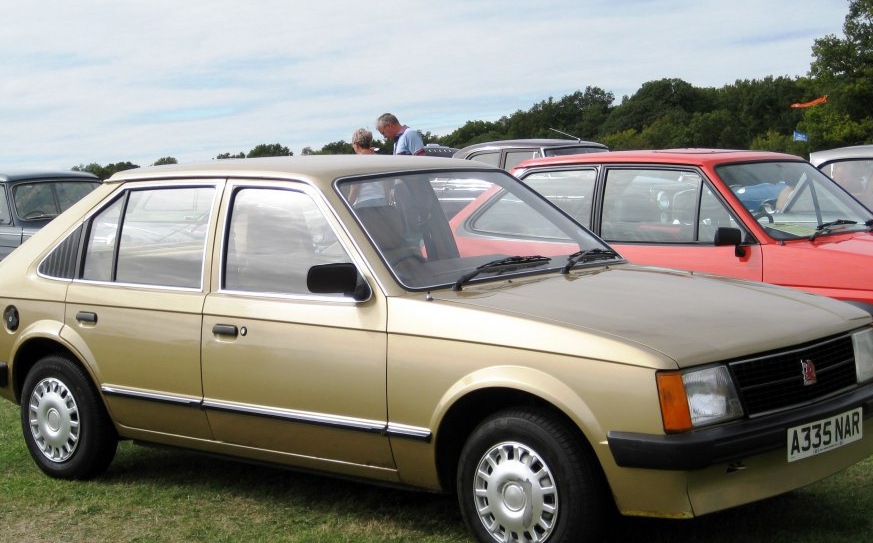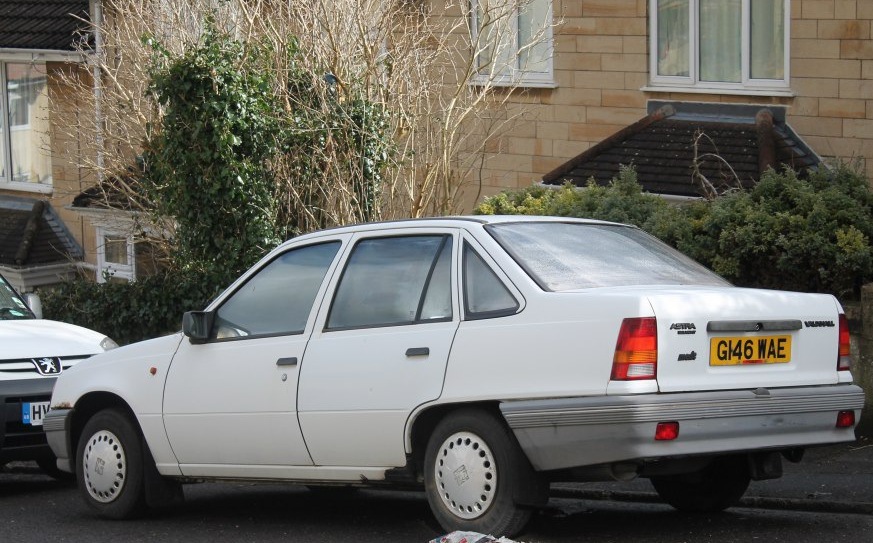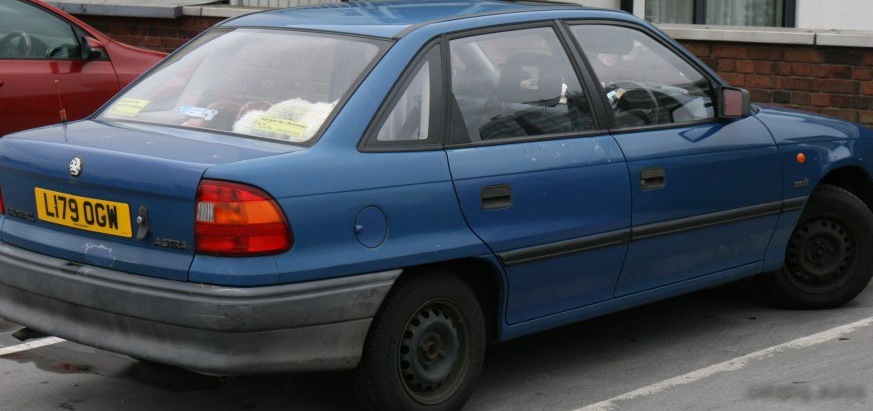
The Vauxhall Astra Mk III 1.4i 16V (90 hp) was a popular entry-level variant of the third-generation Astra, produced between 1996 and 1998. Positioned as an affordable and practical family car, it served as the gateway into the Mk III Astra range, appealing to buyers prioritizing economy and ease of use over outright performance. This model, built on the ‘T’ platform (internally designated as 1996-1998), represented a significant step forward in terms of refinement and safety compared to its predecessor, the Mk II Astra. It was a key model for Vauxhall in the UK market, competing directly with rivals like the Ford Escort and Peugeot 306.
Technical Specifications
| Brand | Vauxhall |
| Model | Astra |
| Generation | Astra Mk III |
| Type (Engine) | 1.4i 16V (90 Hp) |
| Start of production | 1996 |
| End of production | 1998 |
| Powertrain Architecture | Internal Combustion engine |
| Body type | Sedan |
| Seats | 5 |
| Doors | 4 |
| Fuel Type | Petrol (Gasoline) |
| Power | 90 Hp |
| Engine Model/Code | X14XE |
| Engine aspiration | Naturally aspirated engine |
| Engine oil capacity | 3.5 l (3.7 US qt | 3.08 UK qt) |
| Coolant capacity | 5.5 l (5.81 US qt | 4.84 UK qt) |
| Trunk (boot) space – maximum | 1200 l (42.38 cu. ft.) |
| Fuel tank capacity | 52 l (13.74 US gal | 11.44 UK gal) |
| Length | 4239 mm (166.89 in.) |
| Width | 1689 mm (66.5 in.) |
| Height | 1389 mm (54.69 in.) |
| Wheelbase | 2520 mm (99.21 in.) |
| Drag coefficient (Cd) | 0.31 |
| Drivetrain Architecture | Internal Combustion engine (ICE) driving the front wheels |
| Drive wheel | Front wheel drive |
Powertrain & Engine Architecture
The heart of the Astra 1.4i 16V was the X14XE engine, a 1.4-liter (1389cc) inline-four cylinder petrol engine. This engine featured a cast iron block and an aluminum cylinder head, equipped with dual overhead camshafts and four valves per cylinder – hence the “16V” designation. Fuel delivery was managed by Bosch Mono-Jetronic fuel injection, a system known for its simplicity and reliability, though less sophisticated than multi-point injection systems found in higher-spec Astras. The X14XE produced 90 horsepower at 5,000 rpm and 125 Nm (92 lb-ft) of torque at 3,600 rpm. The engine was paired with a four-speed automatic transmission, offering smooth, if not particularly sporty, gear changes. This automatic was a common GM unit, known for its durability but also for its relatively conservative gear ratios, prioritizing fuel economy over acceleration.
Driving Characteristics
The 1.4i 16V automatic Astra offered a comfortable, but uninspiring, driving experience. Acceleration was adequate for everyday driving, with a 0-60 mph time of around 13-14 seconds. The automatic transmission, while convenient, did detract from the engine’s performance, as it tended to keep the engine in lower gears to maintain momentum, resulting in higher engine speeds and increased fuel consumption compared to the five-speed manual version. The gear ratios were spaced to favor fuel efficiency, making it less responsive during overtaking maneuvers. Compared to the 1.6-liter and 1.8-liter variants, the 1.4i felt noticeably slower, but it provided a more relaxed and forgiving driving experience, particularly in urban environments. The steering was light and easy, making it maneuverable in tight spaces, but lacked the feedback desired by more enthusiastic drivers.
Equipment & Trim Levels
The 1.4i 16V typically came with a fairly basic level of equipment, reflecting its position as the entry-level model. Standard features generally included central locking, power steering, and an adjustable steering column. Interior upholstery was typically cloth, and the dashboard featured a simple, functional design. Optional extras included air conditioning, electric windows, and an upgraded stereo system. Trim levels varied slightly depending on the year and market, but generally followed a progression from ‘Life’ to ‘Style’ or ‘SE’, with each step adding more features and cosmetic enhancements. The base models often featured steel wheels with hubcaps, while higher trims could be equipped with alloy wheels.
Chassis & Braking
The Astra Mk III utilized a MacPherson strut front suspension and a torsion beam rear suspension. The 1.4i models typically featured smaller diameter tires and narrower wheels compared to their higher-powered siblings. Braking was typically accomplished with disc brakes on the front wheels and drum brakes on the rear. Anti-lock Braking System (ABS) was often an optional extra, rather than standard equipment on the base 1.4i. The suspension setup was tuned for comfort, providing a relatively smooth ride over uneven surfaces, but it wasn’t particularly sporty or engaging. Stabilizer bars were fitted to both the front and rear axles, helping to reduce body roll during cornering, but the overall handling characteristics were geared towards safe and predictable behavior rather than dynamic performance.
Market Reception & Comparison
The Astra 1.4i 16V automatic was generally well-received as a practical and affordable family car. Critics praised its comfortable ride, spacious interior, and reasonable fuel economy. However, it was often criticized for its lack of performance and the somewhat dated feel of its automatic transmission. Compared to the 1.6-liter and 1.8-liter versions, the 1.4i offered significantly lower running costs, but at the expense of driving enjoyment. The 1.6-liter manual was often considered a better all-around choice for those seeking a balance between performance and economy. Fuel economy typically ranged from 32-38 mpg in mixed driving conditions, making it a relatively economical option for its time.
Legacy
The X14XE engine, while not known for being particularly exciting, proved to be a reliable and durable unit. The four-speed automatic transmission, though somewhat archaic by modern standards, also demonstrated good longevity. Today, the Astra Mk III 1.4i 16V can be found in the used car market at very affordable prices. While not a collector’s item, it represents a solid and dependable choice for those seeking a classic, low-cost family car. Parts availability is generally good, and maintenance is relatively straightforward, making it an attractive option for DIY mechanics. However, potential buyers should be aware of the possibility of age-related issues, such as corrosion and wear and tear on suspension components. The 1.4i automatic remains a testament to the Mk III Astra’s enduring appeal as a practical and affordable mode of transportation.