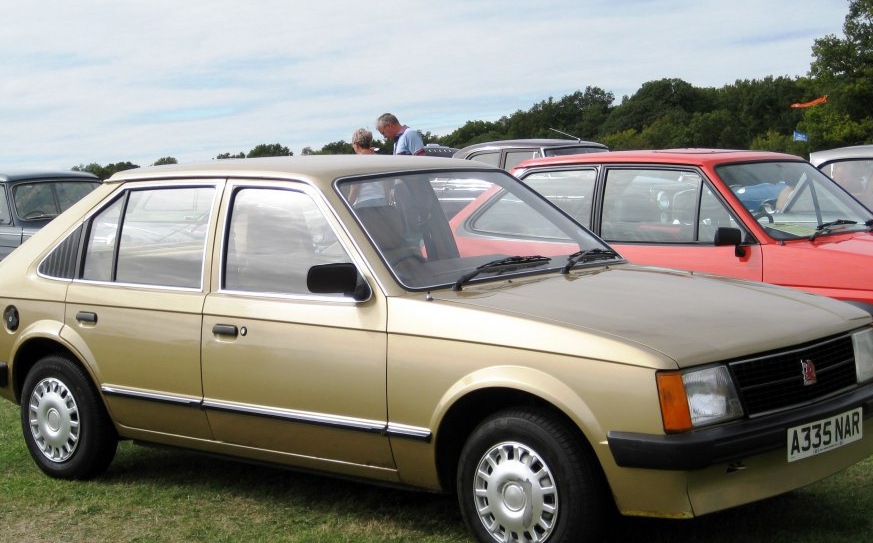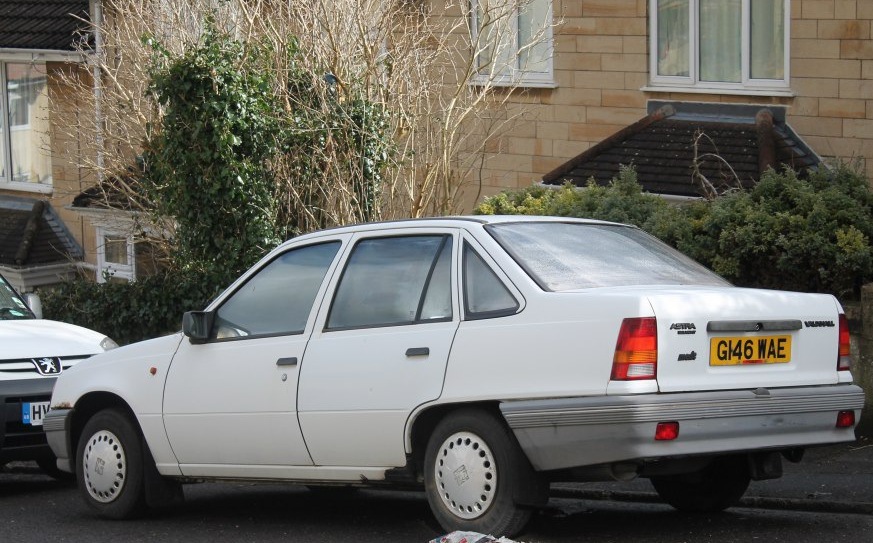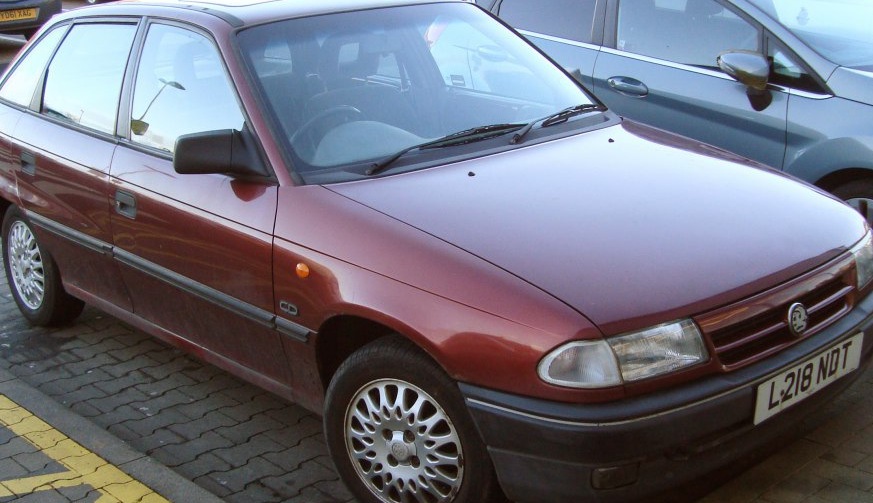
The Vauxhall Astra Mk III, produced from 1991 to 1998, represented a significant step forward for the British manufacturer, building upon the success of its predecessors. Within the Mk III range, the 1.7 TD (82 hp) variant, offered in both 3 and 5-door hatchback configurations, occupied a unique position. It was aimed at buyers prioritizing fuel economy and practicality over outright performance, particularly those covering high annual mileages. This model utilized the X17DT engine and was a popular choice in the UK and European markets where diesel fuel was more affordable and readily available than gasoline. It sat below the more powerful petrol variants in the lineup, and above the base models lacking a turbocharger.
Technical Specifications
| Brand | Vauxhall |
| Model | Astra |
| Generation | Astra Mk III CC |
| Type (Engine) | 1.7 TD (82 Hp) |
| Start of production | 1991 |
| End of production | 1998 |
| Powertrain Architecture | Internal Combustion engine |
| Body type | Hatchback |
| Seats | 5 |
| Doors | 3-5 |
| Fuel consumption (urban) | 7.5 l/100 km (31.4 US mpg, 37.7 UK mpg, 13.3 km/l) |
| Fuel consumption (extra urban) | 4.8 l/100 km (49 US mpg, 58.9 UK mpg, 20.8 km/l) |
| Fuel consumption (combined) | 5.8 l/100 km (40.6 US mpg, 48.7 UK mpg, 17.2 km/l) |
| CO2 emissions | 154 g/km |
| Fuel Type | Diesel |
| Acceleration 0 – 100 km/h | 13.5 sec |
| Acceleration 0 – 62 mph | 13.5 sec |
| Acceleration 0 – 60 mph | 12.8 sec |
| Maximum speed | 172 km/h (106.88 mph) |
| Weight-to-power ratio | 13.3 kg/Hp, 75.2 Hp/tonne |
| Weight-to-torque ratio | 6.5 kg/Nm, 154.1 Nm/tonne |
| Power | 82 Hp @ 4400 rpm |
| Power per litre | 48.6 Hp/l |
| Torque | 168 Nm @ 2400 rpm (123.91 lb.-ft. @ 2400 rpm) |
| Engine layout | Front, Transverse |
| Engine Model/Code | X17DT |
| Engine displacement | 1686 cm3 (102.89 cu. in.) |
| Number of cylinders | 4 |
| Engine configuration | Inline |
| Number of valves per cylinder | 2 |
| Fuel injection system | Precombustion chamber injection |
| Engine aspiration | Turbocharger |
| Engine oil capacity | 4.5 l (4.76 US qt | 3.96 UK qt) |
| Coolant capacity | 6.8 l (7.19 US qt | 5.98 UK qt) |
| Kerb Weight | 1090 kg (2403.04 lbs) |
| Max. weight | 1590 kg (3505.35 lbs) |
| Max load | 500 kg (1102.31 lbs) |
| Trunk (boot) space – minimum | 360 l (12.71 cu. ft) |
| Length | 4049 mm (159.41 in) |
| Width | 1689 mm (66.5 in) |
| Height | 1410 mm (55.51 in) |
| Wheelbase | 2520 mm (99.21 in) |
| Front track | 1420 mm (55.91 in) |
| Rear (Back) track | 1420 mm (55.91 in) |
| Ride height (ground clearance) | 135 mm (5.31 in) |
| Drag coefficient (Cd) | 0.31 |
| Drivetrain Architecture | The Internal combustion engine (ICE) drives the front wheels of the vehicle. |
| Drive wheel | Front wheel drive |
| Number of gears and type of gearbox | 5 gears, manual transmission |
| Front brakes | Ventilated discs |
| Rear brakes | Drum |
| Tires size | 175/65 R14 |
| Wheel rims size | 14 |
Powertrain & Engine Architecture
The heart of the Astra 1.7 TD was the X17DT engine, a 1.7-liter inline-four cylinder diesel. This engine utilized a precombustion chamber injection system, a common technology for diesel engines of the era. This system involved injecting fuel into a precombustion chamber, where it partially ignited before being fully combusted in the main cylinder. This design aided in smoother combustion and reduced engine noise compared to direct injection systems. The addition of a turbocharger significantly boosted power output to 82 horsepower, a respectable figure for a diesel engine of this displacement in the early 1990s. The engine produced 168 Nm (123.91 lb-ft) of torque at 2400 rpm, providing good low-end pulling power. The engine was transversely mounted, driving the front wheels. The standard transmission was a five-speed manual gearbox, optimized for fuel efficiency and providing adequate acceleration.
Driving Characteristics
The 1.7 TD Astra offered a distinctly different driving experience compared to its petrol-powered siblings. While lacking the brisk acceleration of the 1.8 or 2.0-liter models, it excelled in fuel economy and provided a relaxed cruising experience. The turbocharger helped to mitigate some of the inherent lag associated with diesel engines, but power delivery was still characterized by a strong mid-range rather than a peaky top end. The five-speed manual gearbox was well-matched to the engine’s characteristics, allowing drivers to keep the engine in its optimal torque band. The gear ratios were relatively long, further contributing to fuel efficiency. Compared to the manual versions, the automatic transmission (though less common) would have further dulled acceleration, but offered increased convenience for urban driving.
Equipment & Trim Levels
The 1.7 TD Astra typically came with a fairly basic level of equipment, reflecting its position as a value-oriented model. Standard features generally included power steering, central locking, and an adjustable steering column. Interior upholstery was typically cloth, and the dashboard featured a functional, if somewhat utilitarian, design. Optional extras included electric windows, a sunroof, and upgraded audio systems. Trim levels varied slightly depending on the market, but generally followed a progression from base ‘Life’ or ‘LS’ models to more well-equipped ‘GL’ or ‘SE’ versions. The ‘GL’ trim often added features like alloy wheels, upgraded interior trim, and a rear wash/wipe.
Chassis & Braking
The Astra Mk III utilized a MacPherson strut front suspension and a torsion beam rear suspension. This setup provided a good balance between ride comfort and handling. The 1.7 TD models typically featured ventilated disc brakes on the front wheels and drum brakes on the rear. This configuration was adequate for the car’s weight and performance, but lacked the stopping power of the all-disc brake setups found on higher-spec models. Stabilizer bars were fitted to both the front and rear axles, helping to reduce body roll during cornering. The suspension was tuned for comfort, prioritizing a smooth ride over sporty handling.
Market Reception & Comparison
The Astra 1.7 TD was generally well-received by critics and buyers alike, particularly those seeking a fuel-efficient and reliable family car. It was praised for its low running costs and practicality. However, it was also criticized for its relatively slow acceleration and somewhat noisy engine. Compared to the petrol-powered Astra models, the 1.7 TD offered significantly better fuel economy but considerably less performance. Against competitors like the Ford Escort Diesel and Volkswagen Golf Diesel, the Astra 1.7 TD offered a competitive package in terms of price, fuel economy, and practicality.
Legacy
The X17DT engine proved to be a robust and reliable unit, and many Astra 1.7 TD models are still on the road today. While not particularly sought after by enthusiasts, these cars represent a practical and affordable option for those seeking a classic diesel hatchback. The 1.7 TD’s reputation for durability and fuel efficiency has ensured its continued presence in the used car market. Maintenance is generally straightforward, and parts availability remains reasonable. However, as with any older vehicle, potential buyers should be aware of the possibility of age-related issues such as rust and wear and tear on suspension components.