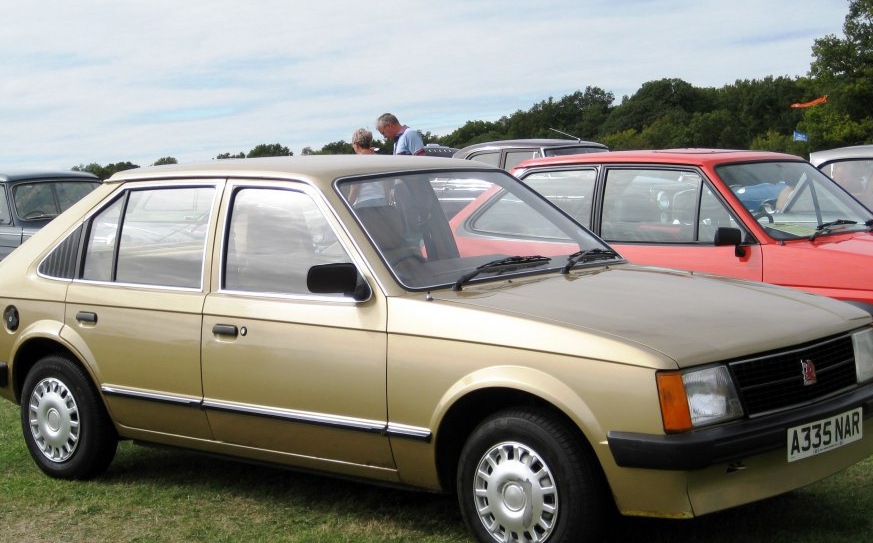
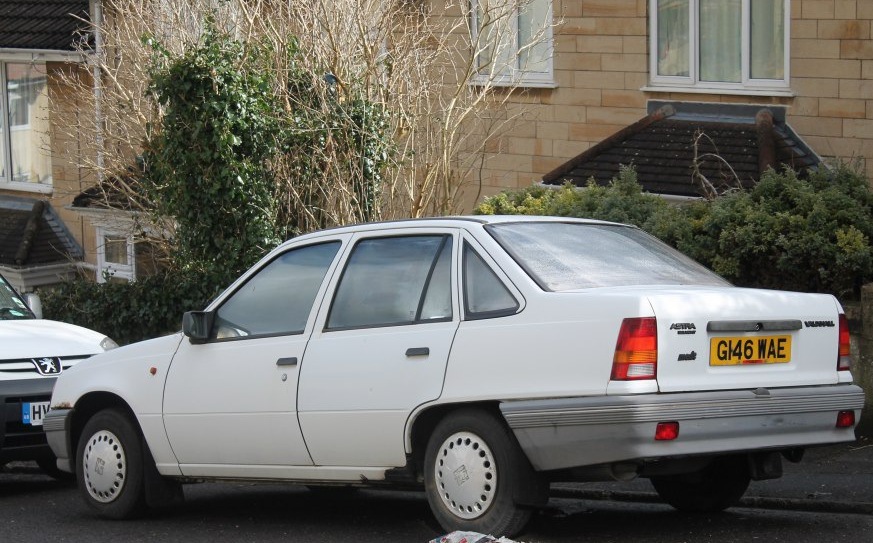
The Vauxhall Astra Mk III Convertible 1.6i Eco, produced between 1993 and 1996, represented an entry-level offering within the broader Mk III Astra Convertible range. Positioned as the most affordable variant, it aimed to bring open-top motoring to a wider audience. This model, built on the Astra Mk III (1HX0/A3) platform, was primarily marketed in the United Kingdom and mainland Europe, offering a relatively economical and accessible way to enjoy the convertible lifestyle. While not known for blistering performance, the 1.6i Eco provided a comfortable and practical driving experience, particularly appealing to buyers prioritizing affordability and fuel efficiency over outright speed.
Technical Specifications
| Brand | Vauxhall |
| Model | Astra |
| Generation | Astra Mk III Convertible |
| Type (Engine) | 1.6i Eco (71 Hp) |
| Start of production | 1993 |
| End of production | 1996 |
| Powertrain Architecture | Internal Combustion engine |
| Body type | Cabriolet |
| Seats | 4 |
| Doors | 2 |
| Fuel consumption (combined) | 7.2 l/100 km |
| Fuel consumption (US mpg) | 32.7 US mpg |
| Fuel consumption (UK mpg) | 39.2 UK mpg |
| Fuel consumption (km/l) | 13.9 km/l |
| Fuel Type | Petrol (Gasoline) |
| Acceleration 0 – 100 km/h | 14.5 sec |
| Acceleration 0 – 62 mph | 14.5 sec |
| Acceleration 0 – 60 mph | 13.8 sec |
| Maximum speed | 170 km/h (105.63 mph) |
| Weight-to-power ratio | 15 kg/Hp, 66.7 Hp/tonne |
| Weight-to-torque ratio | 8.3 kg/Nm, 120.2 Nm/tonne |
| Power | 71 Hp @ 5000 rpm |
| Power per litre | 44.4 Hp/l |
| Torque | 128 Nm @ 2800 rpm (94.41 lb.-ft. @ 2800 rpm) |
| Engine layout | Front, Transverse |
| Engine Model/Code | X16SZ |
| Engine displacement | 1598 cm3 (97.52 cu. in.) |
| Number of cylinders | 4 |
| Engine configuration | Inline |
| Fuel injection system | Single-point injection |
| Engine aspiration | Naturally aspirated engine |
| Engine oil capacity | 3.5 l (3.7 US qt | 3.08 UK qt) |
| Coolant capacity | 5.6 l (5.92 US qt | 4.93 UK qt) |
| Kerb Weight | 1065 kg (2347.92 lbs) |
| Max. weight | 1555 kg (3428.19 lbs) |
| Max load | 490 kg (1080.27 lbs) |
| Trunk (boot) space – minimum | 391 l (13.81 cu. ft.) |
| Fuel tank capacity | 52 l (13.74 US gal | 11.44 UK gal) |
| Length | 4239 mm (166.89 in) |
| Width | 1689 mm (66.5 in) |
| Height | 1410 mm (55.51 in) |
| Wheelbase | 2520 mm (99.21 in) |
| Front track | 1430 mm (56.3 in) |
| Rear (Back) track | 1420 mm (55.91 in) |
| Ride height (ground clearance) | 140 mm (5.51 in) |
| Drag coefficient (Cd) | 0.32 |
| Drivetrain Architecture | The Internal combustion engine (ICE) drives the front wheels of the vehicle. |
| Drive wheel | Front wheel drive |
| Number of gears and type of gearbox | 5 gears, manual transmission |
| Front brakes | Ventilated discs |
| Rear brakes | Drum |
| Tires size | 185/60 R14 |
| Wheel rims size | 14 |
Powertrain & Engine Architecture
The heart of the Astra Mk III Convertible 1.6i Eco was the X16SZ engine, a 1.6-liter inline-four cylinder unit. This engine utilized a single-point fuel injection system, a relatively basic setup for the time, contributing to its lower cost and simpler maintenance requirements. The X16SZ produced 71 horsepower at 5000 rpm and 94.41 lb-ft of torque at 2800 rpm. The engine’s valvetrain featured a single overhead camshaft (SOHC) operating two valves per cylinder. The engine was transversely mounted, driving the front wheels. The five-speed manual transmission was the standard offering, providing a relatively long-geared setup designed to maximize fuel economy rather than provide spirited acceleration.
Driving Characteristics
The 1.6i Eco convertible offered a relaxed driving experience. Acceleration was modest, taking around 14.5 seconds to reach 62 mph. The long gearing of the five-speed manual transmission meant that the engine often felt strained when attempting brisk overtaking maneuvers. Compared to the more powerful 1.8 and 2.0-liter variants, the 1.6i Eco lacked the punch needed for enthusiastic driving. However, its lighter weight, compared to those larger engine options, did contribute to slightly better handling and fuel economy. The steering was light and easy, making it well-suited for urban driving, but lacked the precision found in more performance-oriented models.
Equipment & Trim Levels
As the entry-level trim, the 1.6i Eco Convertible was equipped with a fairly basic specification. Standard features typically included power steering, central locking, and a basic stereo system. Interior upholstery was usually cloth, and the dashboard featured a simple, functional design. Optional extras included alloy wheels, electric windows, and a more advanced stereo system. The convertible top was manually operated, further emphasizing the model’s focus on affordability. The interior trim was generally functional, prioritizing durability over luxury.
Chassis & Braking
The Astra Mk III Convertible utilized a MacPherson strut front suspension and a torsion beam rear suspension. The front brakes were ventilated discs, providing adequate stopping power for the car’s weight and performance. However, the rear brakes were drums, a cost-saving measure that reflected the car’s entry-level positioning. Stabilizer bars were fitted to both the front and rear axles, helping to reduce body roll during cornering. The suspension setup prioritized ride comfort over sharp handling, resulting in a relatively compliant ride quality.
Market Reception & Comparison
The Astra Mk III Convertible 1.6i Eco was generally well-received as an affordable and practical open-top car. Critics acknowledged its modest performance but praised its fuel efficiency and comfortable ride. Compared to the higher-spec Astra Convertibles, the 1.6i Eco offered a significantly lower price point, making it accessible to a wider range of buyers. However, it lacked the performance and refinement of its more expensive siblings. The 1.8-liter version, while more costly, offered a noticeable improvement in acceleration and overall driving enjoyment. The 1.6i Eco’s fuel economy was competitive with other small convertibles of the era, but its performance lagged behind many of them.
Legacy
The X16SZ engine, while not known for its longevity or high performance, proved to be reasonably reliable when properly maintained. Today, the Astra Mk III Convertible 1.6i Eco represents an affordable entry point into classic convertible ownership. Parts availability is generally good, and the relatively simple engine design makes it relatively easy to work on for DIY mechanics. However, potential buyers should be aware of the possibility of rust, particularly in older examples. The 1.6i Eco is often seen as a good choice for those seeking a classic convertible experience without the high price tag and maintenance costs associated with more powerful or luxurious models. Its enduring appeal lies in its simplicity, affordability, and the joy of open-top motoring.