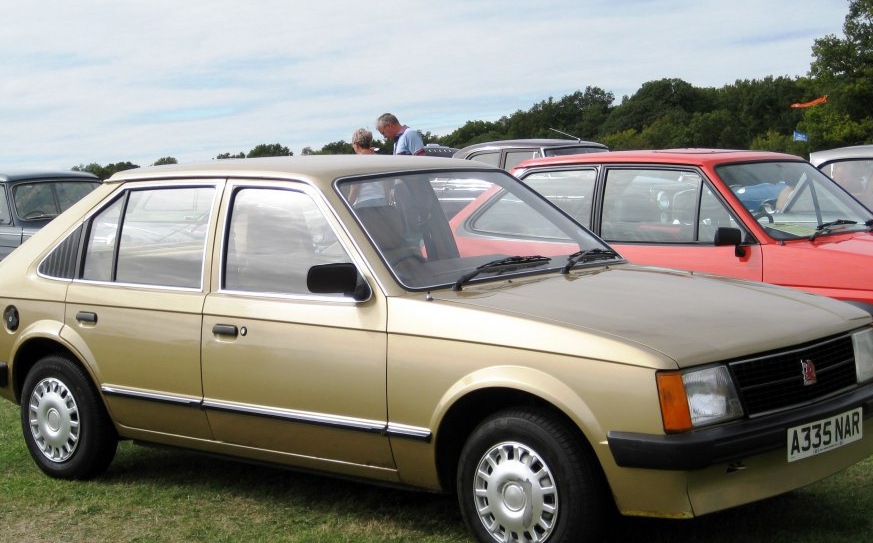
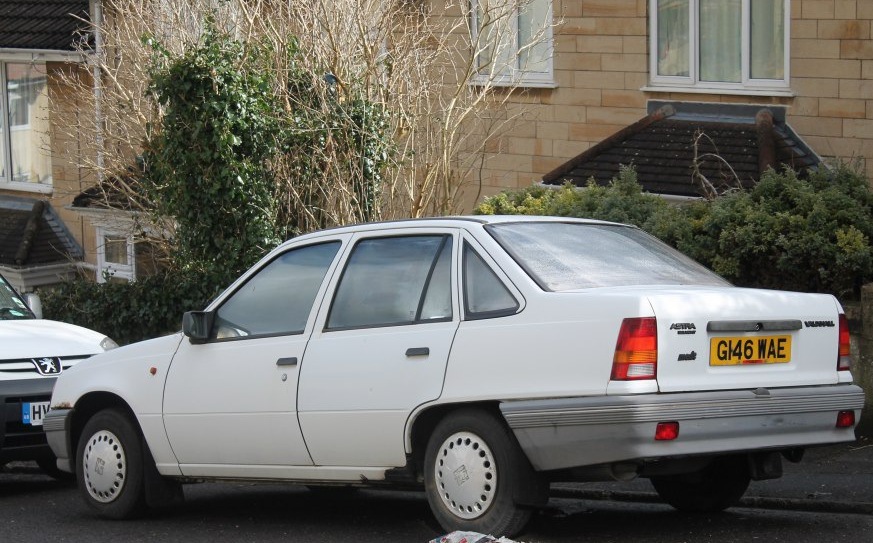
The Vauxhall Astra Mk III Convertible 2.0i, produced between 1993 and 1994, represented a significant offering in the British market for affordable open-top motoring. Positioned as a more premium variant within the Mk III Astra Convertible range, it aimed to provide a blend of style, performance, and practicality. This model was built upon the Astra Mk III (1991-1994) platform, known internally as the Astra-G, and shared its underpinnings with other Opel/Vauxhall models of the era. The convertible variant, designed and manufactured by Bertone in Italy, added a desirable dimension to the Astra lineup, appealing to buyers seeking a wind-in-the-hair experience without the high price tag of more established convertibles.
Technical Specifications
| Brand | Vauxhall |
| Model | Astra |
| Generation | Astra Mk III Convertible |
| Type (Engine) | 2.0i (116 Hp) |
| Start of production | 1993 |
| End of production | 1994 |
| Powertrain Architecture | Internal Combustion engine |
| Body type | Cabriolet |
| Seats | 4 |
| Doors | 2 |
| Fuel consumption (combined) | 8.2 l/100 km |
| Fuel consumption (US mpg) | 28.7 US mpg |
| Fuel consumption (UK mpg) | 34.4 UK mpg |
| Fuel consumption (km/l) | 12.2 km/l |
| CO2 emissions | 195 g/km |
| Fuel Type | Petrol (Gasoline) |
| Acceleration 0 – 100 km/h | 10 sec |
| Acceleration 0 – 62 mph | 10 sec |
| Acceleration 0 – 60 mph | 9.5 sec |
| Maximum speed | 195 km/h (121.17 mph) |
| Weight-to-power ratio | 9.9 kg/Hp |
| Weight-to-torque ratio | 6.8 kg/Nm |
| Power | 116 Hp @ 5400 rpm |
| Power per litre | 58.1 Hp/l |
| Torque | 169 Nm @ 2600 rpm (124.65 lb.-ft. @ 2600 rpm) |
| Engine layout | Front, Transverse |
| Engine Model/Code | C20NE |
| Engine displacement | 1998 cm3 (121.93 cu. in.) |
| Number of cylinders | 4 |
| Engine configuration | Inline |
| Fuel injection system | Single-point injection |
| Engine aspiration | Naturally aspirated engine |
| Engine oil capacity | 4 l (4.23 US qt | 3.52 UK qt) |
| Coolant capacity | 6.5 l (6.87 US qt | 5.72 UK qt) |
| Kerb Weight | 1150 kg (2535.32 lbs) |
| Max. weight | 1605 kg (3538.42 lbs) |
| Max load | 455 kg (1003.1 lbs) |
| Trunk (boot) space – minimum | 391 l (13.81 cu. ft.) |
| Fuel tank capacity | 52 l (13.74 US gal | 11.44 UK gal) |
| Length | 4239 mm (166.89 in.) |
| Width | 1689 mm (66.5 in.) |
| Height | 1410 mm (55.51 in.) |
| Wheelbase | 2520 mm (99.21 in.) |
| Front track | 1430 mm (56.3 in.) |
| Rear track | 1420 mm (55.91 in.) |
| Ride height (ground clearance) | 140 mm (5.51 in.) |
| Drag coefficient (Cd) | 0.32 |
| Drivetrain Architecture | Front wheel drive |
| Number of gears | 5 gears, manual transmission |
| Front brakes | Ventilated discs |
| Rear brakes | Drum |
| Tires size | 185/60 R14 |
| Wheel rims size | 14 |
Powertrain & Engine Architecture
The heart of the Astra Mk III Convertible 2.0i was the C20NE engine, a 1998cc inline-four cylinder unit. This engine was a mainstay of the Vauxhall/Opel range during the early 1990s, known for its relative reliability and straightforward design. It featured a single overhead camshaft (SOHC) valvetrain with two valves per cylinder. Fuel delivery was handled by a single-point fuel injection system (throttle body injection), which, while less sophisticated than multi-point injection, kept costs down. The C20NE produced 116 horsepower at 5400 rpm and 169 Nm (124.65 lb-ft) of torque at 2600 rpm. The engine was transversely mounted in the front of the vehicle, driving the front wheels. The transmission was a five-speed manual gearbox, providing a reasonable balance between performance and fuel economy. The engine’s design prioritized durability over outright performance, making it a practical choice for everyday driving.
Driving Characteristics
The 2.0i variant offered a noticeable step up in performance compared to the lower-capacity Astra Convertible models. While not a sports car, the 116 hp engine provided adequate power for comfortable cruising and overtaking. Acceleration from 0-60 mph took around 9.5 seconds, and the car could reach a top speed of approximately 121 mph. The five-speed manual transmission allowed drivers to keep the engine in its optimal power band. The gear ratios were fairly well-spaced, providing decent acceleration in each gear. However, the single-point fuel injection system meant that throttle response wasn’t as crisp as in later multi-point injection engines. The convertible body added weight compared to the coupe or hatchback versions, which slightly impacted handling. The suspension was tuned for comfort rather than outright sportiness, resulting in a relatively soft ride.
Equipment & Trim Levels
The 2.0i Convertible typically came with a reasonable level of standard equipment. This included power steering, central locking, and an upgraded interior trim compared to the base models. Interior upholstery was typically cloth, with options for upgraded materials available. Dashboard configuration was similar to other Mk III Astras, featuring a functional but somewhat dated design. Optional extras included electric windows, a sunroof (in addition to the convertible top), and an upgraded stereo system. The convertible top itself was a manually operated soft top, available in a range of colors. The trim level generally sat in the mid-range of the Astra Convertible lineup, offering a good balance of features and price.
Chassis & Braking
The Astra Mk III Convertible utilized a MacPherson strut front suspension and a torsion beam rear suspension. The front suspension provided decent handling and ride comfort, while the torsion beam rear suspension was a cost-effective solution that offered adequate stability. Braking was handled by ventilated discs on the front wheels and drum brakes on the rear. This configuration was typical for cars in this price range during the early 1990s. Anti-lock braking (ABS) was available as an optional extra. The car’s curb weight of 1150 kg (2535 lbs) contributed to its handling characteristics. Stabilizer bars were fitted to both the front and rear axles to reduce body roll during cornering.
Market Reception & Comparison
The Astra Mk III Convertible 2.0i was generally well-received by automotive critics as an affordable and stylish open-top car. It offered a compelling alternative to more expensive convertibles from brands like BMW and Mercedes-Benz. Critics praised its comfortable ride and adequate performance. However, some noted that the single-point fuel injection system and drum rear brakes were somewhat outdated compared to competitors. Compared to the 1.6-liter and 1.8-liter versions of the Astra Convertible, the 2.0i offered significantly more power and torque, resulting in improved acceleration and cruising ability. Fuel economy was slightly lower with the 2.0i engine, but the performance gains were generally considered worthwhile. Reliability was generally good, although regular maintenance was essential to prevent issues with the engine and convertible top mechanism.
Legacy
The Vauxhall Astra Mk III Convertible 2.0i remains a popular choice among classic car enthusiasts today. The C20NE engine is known for its durability, and parts availability is generally good. However, potential buyers should be aware of common issues such as corrosion, particularly on the bodywork and undercarriage. The convertible top mechanism also requires regular maintenance to prevent leaks and ensure smooth operation. In the used car market, well-maintained examples of the 2.0i Convertible command a premium over the lower-capacity models. The car represents a nostalgic reminder of a time when affordable open-top motoring was within reach of a wider audience. Its blend of style, practicality, and relative reliability has ensured its continued appeal to collectors and enthusiasts alike.