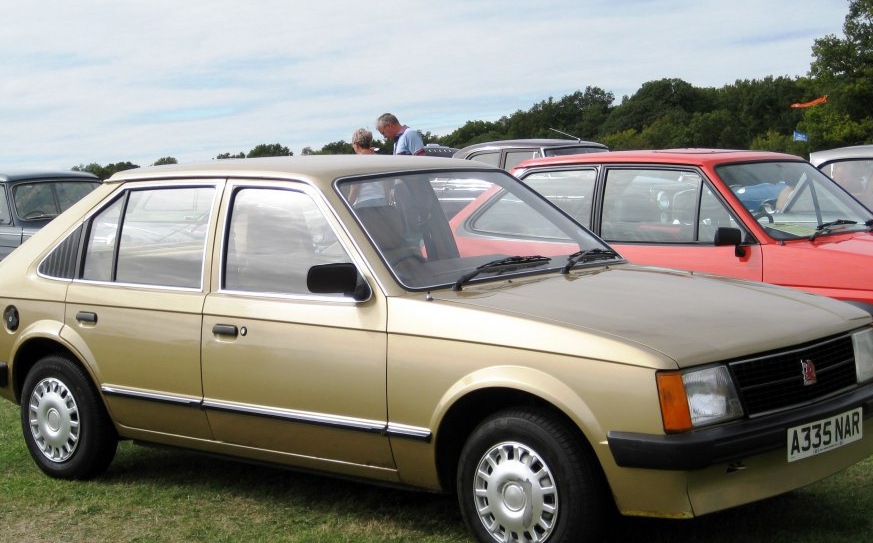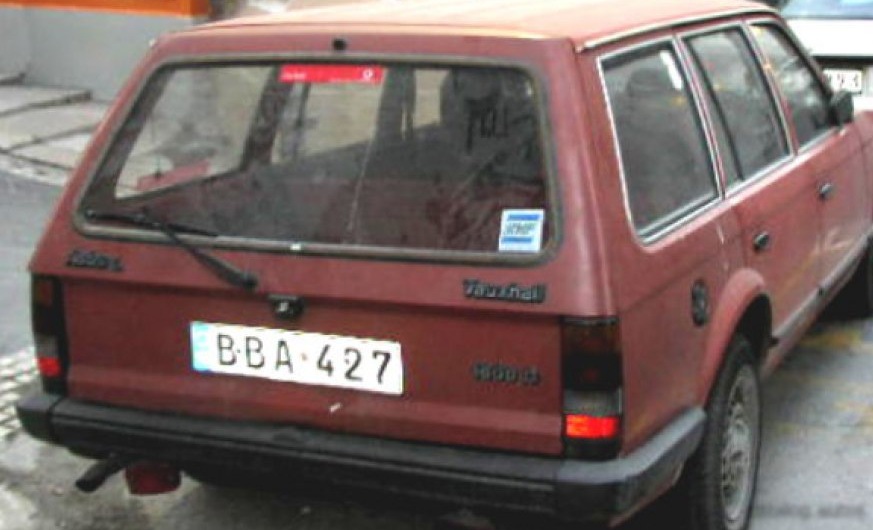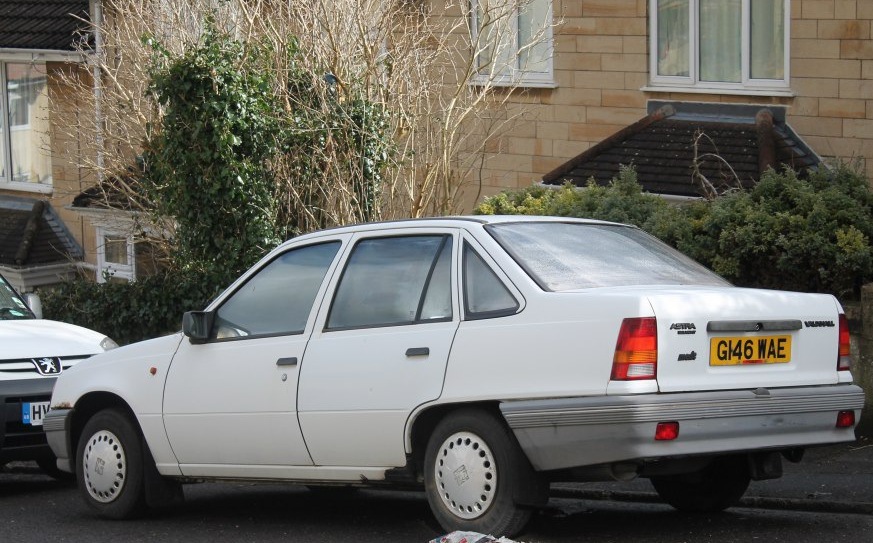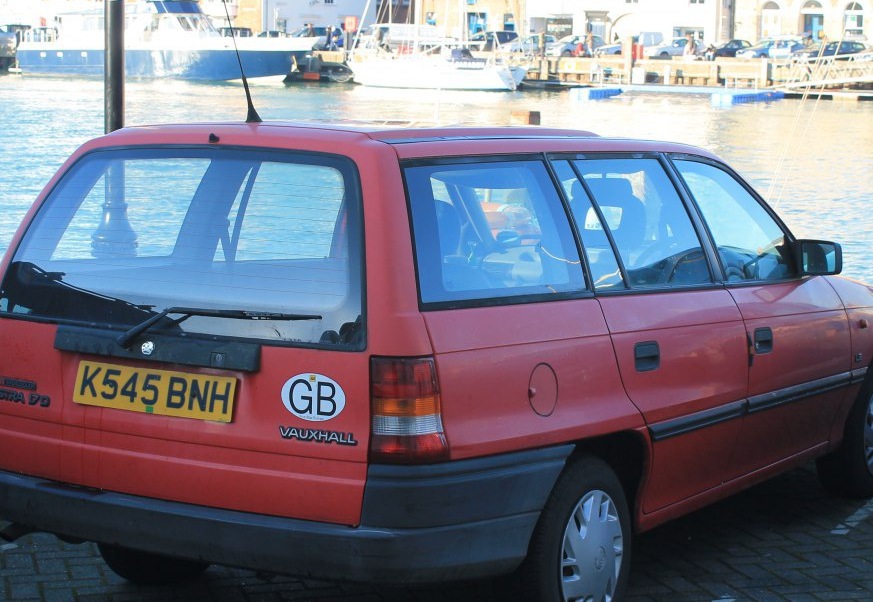
The Vauxhall Astra Mk III Estate 1.6i, producing 75 horsepower, was a mainstay of the British family car market from 1992 to 1998. Part of the Mk III Astra range (codenamed G), the Estate – or station wagon as it’s known in the US – offered practical load-lugging capability within a relatively compact footprint. This particular variant, powered by the C16NZ engine and typically paired with a five-speed manual transmission, represented an entry-level option within the Estate lineup, prioritizing affordability and fuel economy over outright performance. It served as a direct successor to the Astra Mk II Estate, continuing the tradition of offering a versatile and reasonably priced vehicle for families and tradespeople alike.
Technical Specifications
| Brand | Vauxhall |
| Model | Astra |
| Generation | Astra Mk III Estate |
| Type (Engine) | 1.6i (75 Hp) |
| Start of production | 1992 |
| End of production | 1998 |
| Powertrain Architecture | Internal Combustion engine |
| Body type | Station wagon (estate) |
| Seats | 4 |
| Doors | 5 |
| Fuel consumption (combined) | 6.9 l/100 km (34.1 US mpg, 40.9 UK mpg, 14.5 km/l) |
| Fuel Type | Petrol (Gasoline) |
| Acceleration 0 – 100 km/h | 14 sec |
| Acceleration 0 – 62 mph | 14 sec |
| Acceleration 0 – 60 mph | 13.3 sec |
| Maximum speed | 171 km/h (106.25 mph) |
| Weight-to-power ratio | 13.7 kg/Hp, 72.8 Hp/tonne |
| Weight-to-torque ratio | 8.2 kg/Nm, 121.4 Nm/tonne |
| Power | 75 Hp @ 5200 rpm |
| Power per litre | 46.9 Hp/l |
| Torque | 125 Nm @ 3200 rpm (92.2 lb.-ft. @ 3200 rpm) |
| Engine layout | Front, Transverse |
| Engine Model/Code | C16NZ |
| Engine displacement | 1598 cm3 (97.52 cu. in.) |
| Number of cylinders | 4 |
| Engine configuration | Inline |
| Number of valves per cylinder | 2 |
| Fuel injection system | Single-point injection |
| Engine aspiration | Naturally aspirated engine |
| Engine oil capacity | 3.5 l (3.7 US qt | 3.08 UK qt) |
| Coolant | 5.6 l (5.92 US qt | 4.93 UK qt) |
| Kerb Weight | 1030 kg (2270.76 lbs) |
| Max. weight | 1510 kg (3328.98 lbs) |
| Max load | 480 kg (1058.22 lbs) |
| Trunk (boot) space – minimum | 500 l (17.66 cu. ft.) |
| Fuel tank capacity | 50 l (13.21 US gal | 11 UK gal) |
| Length | 4280 mm (168.5 in) |
| Width | 1696 mm (66.77 in) |
| Height | 1481 mm (58.31 in) |
| Wheelbase | 2520 mm (99.21 in) |
| Drivetrain Architecture | The Internal combustion engine (ICE) drives the front wheels of the vehicle. |
| Drive wheel | Front wheel drive |
| Number of gears and type of gearbox | 5 gears, manual transmission |
| Front brakes | Ventilated discs |
| Rear brakes | Drum |
| Tires size | 175/70 R13 |
| Wheel rims size | 13 |
Powertrain & Engine Architecture
The heart of the Astra Mk III Estate 1.6i was the C16NZ engine, a 1.6-liter inline-four cylinder unit. This engine utilized a single-point fuel injection system (throttle body injection), a relatively simple and cost-effective technology for the time. The engine featured a two-valve per cylinder configuration, contributing to its modest power output. The C16NZ was known for its durability and relative simplicity, making it a popular choice for fleet operators and budget-conscious buyers. The five-speed manual transmission was the most common pairing, offering a reasonable spread of gears for both urban driving and highway cruising. The gear ratios were fairly conventional, prioritizing fuel efficiency over rapid acceleration.
Driving Characteristics
The 1.6i Estate wasn’t designed to be a performance car. With 75 horsepower on tap, acceleration was leisurely, taking around 14 seconds to reach 62 mph. However, the engine proved to be reasonably tractable, offering sufficient torque for everyday driving. The manual transmission allowed drivers to make the most of the available power, although frequent downshifts were often required when overtaking or climbing hills. Compared to the more powerful 1.8 and 2.0-liter versions of the Astra, the 1.6i felt noticeably slower, but it offered a more forgiving and economical driving experience. The suspension, tuned for comfort, provided a reasonably smooth ride, although it wasn’t particularly sporty.
Equipment & Trim Levels
The 1.6i Estate typically occupied the base trim level within the Astra Estate range. Standard equipment generally included central locking, power steering, and a basic stereo system. Interior upholstery was typically cloth, and the dashboard featured a functional, if somewhat utilitarian, design. Optional extras included electric windows, a sunroof, and upgraded stereo systems. The trim level was often denoted by a badge on the rear of the vehicle, though specific designations varied depending on the market.
Chassis & Braking
The Astra Mk III Estate utilized a MacPherson strut front suspension and a torsion beam rear suspension. This setup provided a good balance between ride comfort and handling. The front brakes were ventilated discs, offering adequate stopping power, while the rear brakes were drums, a cost-saving measure common on entry-level models. The steering was rack and pinion, providing reasonably precise control. Stabilizer bars were fitted to both the front and rear axles, helping to reduce body roll during cornering.
Market Reception & Comparison
The Astra Mk III Estate 1.6i was generally well-received by critics as a practical and affordable family car. Its fuel economy was a major selling point, particularly in a period of rising fuel prices. However, its performance was often criticized as being underwhelming. Compared to the higher-spec Astra Estates, such as the 1.8 and 2.0-liter models, the 1.6i offered less power and refinement. However, it was significantly cheaper to buy and run, making it an attractive option for buyers on a budget. The 1.6i also compared favorably to rivals such as the Ford Escort Estate and the Peugeot 305 Estate in terms of practicality and value for money.
Legacy
The C16NZ engine, while not known for its blistering performance, proved to be remarkably durable and reliable. Many Astra Mk III Estates equipped with this engine are still on the road today, testament to its longevity. In the used car market, the 1.6i Estate remains a popular choice for those seeking a cheap and practical classic car. Maintenance costs are relatively low, and spare parts are readily available. While it may not be the most exciting car to drive, the Astra Mk III Estate 1.6i represents a solid and dependable option for those seeking a no-frills family vehicle.