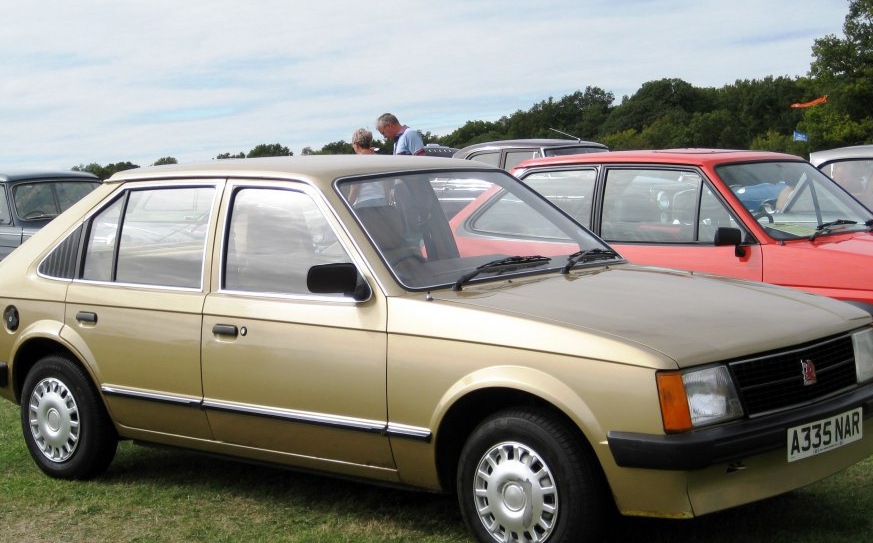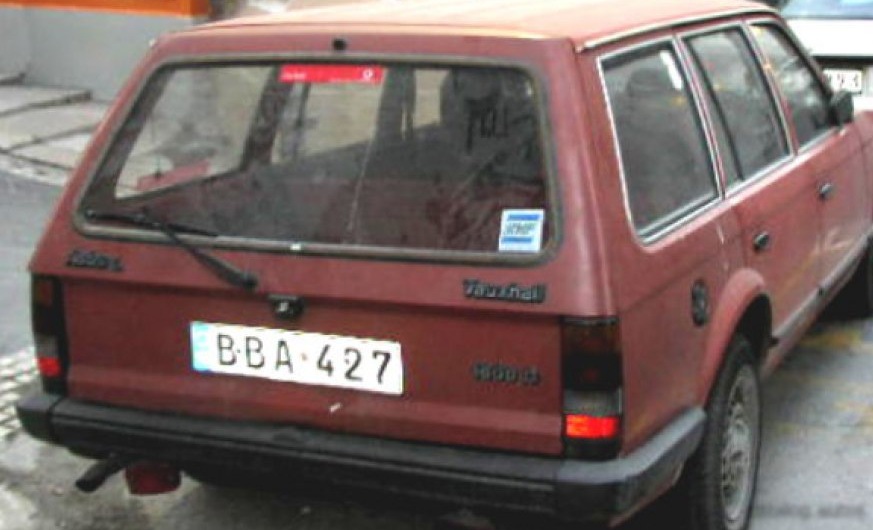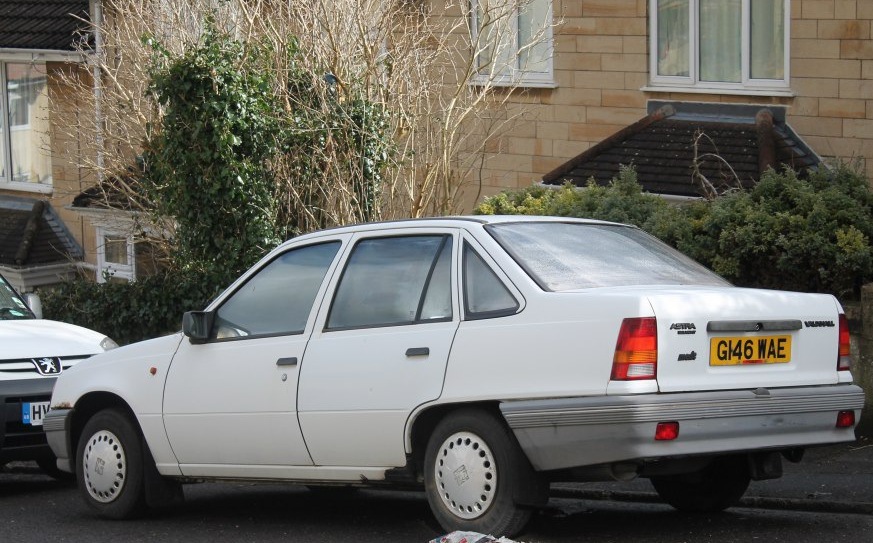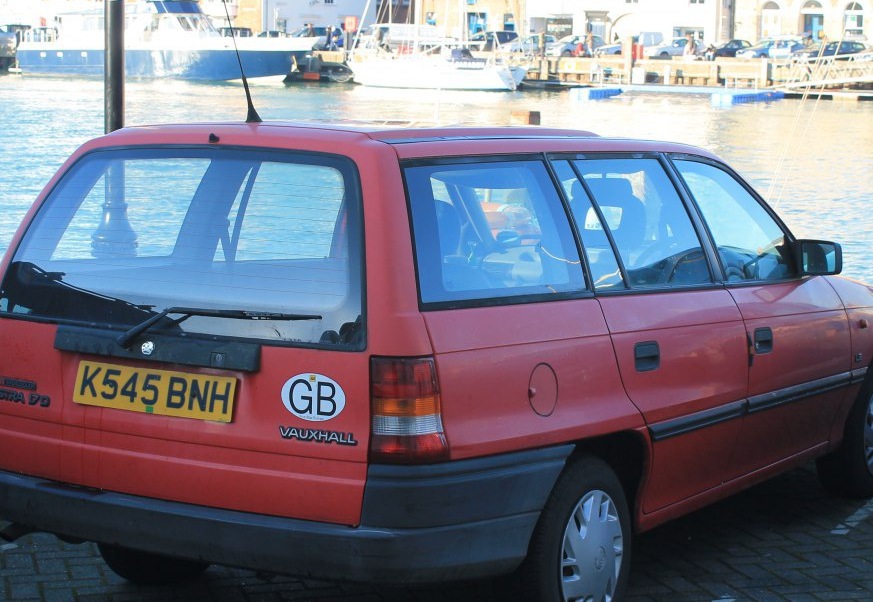
The Vauxhall Astra Mk III Estate 1.6i Automatic, produced between 1994 and 1998, represented an entry-level offering within the broader Mk III Astra range (designated 1HX0). Positioned as a practical and affordable family vehicle, this variant catered to buyers prioritizing economy and convenience over outright performance. The Mk III Astra Estate, launched as a successor to the Mk II, aimed to provide a more modern and spacious alternative to its predecessor, competing with rivals like the Ford Escort Estate and Peugeot 305 Break in the European market. This particular 1.6i Automatic trim was designed to appeal to drivers seeking an easy-to-drive, comfortable estate car for everyday use.
Technical Specifications
| Brand | Vauxhall |
| Model | Astra |
| Generation | Astra Mk III Estate |
| Type (Engine) | 1.6i (75 Hp) Automatic |
| Start of production | 1994 |
| End of production | 1998 |
| Powertrain Architecture | Internal Combustion engine |
| Body type | Station wagon (estate) |
| Seats | 5 |
| Doors | 5 |
| Fuel consumption (urban) | 11.7 l/100 km (20.1 US mpg, 24.1 UK mpg, 8.5 km/l) |
| Fuel consumption (extra urban) | 6.7 l/100 km (35.1 US mpg, 42.2 UK mpg, 14.9 km/l) |
| Fuel consumption (combined) | 8.5 l/100 km (27.7 US mpg, 33.2 UK mpg, 11.8 km/l) |
| Fuel Type | Petrol (Gasoline) |
| Acceleration 0 – 100 km/h | 17 sec |
| Acceleration 0 – 62 mph | 17 sec |
| Acceleration 0 – 60 mph | 16.2 sec |
| Maximum speed | 154 km/h (95.69 mph) |
| Weight-to-power ratio | 14.2 kg/Hp, 70.4 Hp/tonne |
| Weight-to-torque ratio | 8.3 kg/Nm, 120.2 Nm/tonne |
| Power | 75 Hp @ 5200 rpm |
| Power per litre | 46.9 Hp/l |
| Torque | 128 Nm @ 2600 rpm (94.41 lb.-ft. @ 2600 rpm) |
| Engine layout | Front, Transverse |
| Engine Model/Code | C16NZ |
| Engine displacement | 1598 cm3 (97.52 cu. in.) |
| Number of cylinders | 4 |
| Engine configuration | Inline |
| Fuel injection system | Multi-port manifold injection |
| Engine aspiration | Naturally aspirated engine |
| Engine oil capacity | 3.5 l (3.7 US qt | 3.08 UK qt) |
| Coolant capacity | 5.6 l (5.92 US qt | 4.93 UK qt) |
| Kerb Weight | 1065 kg (2347.92 lbs) |
| Max. weight | 1605 kg (3538.42 lbs) |
| Max load | 540 kg (1190.5 lbs) |
| Trunk (boot) space – minimum | 501 l (17.69 cu. ft.) |
| Fuel tank capacity | 50 l (13.21 US gal | 11 UK gal) |
| Length | 4280 mm (168.5 in) |
| Width | 1689 mm (66.5 in) |
| Height | 1481 mm (58.31 in) |
| Wheelbase | 2520 mm (99.21 in) |
| Front track | 1420 mm (55.91 in) |
| Rear track | 1420 mm (55.91 in) |
| Ride height (ground clearance) | 140 mm (5.51 in) |
| Drag coefficient (Cd) | 0.31 |
| Drivetrain Architecture | The Internal combustion engine (ICE) drives the front wheels of the vehicle. |
| Drive wheel | Front wheel drive |
| Number of gears and type of gearbox | 4 gears, automatic transmission |
| Front brakes | Ventilated discs |
| Rear brakes | Drum |
| Tires size | 175/70 R13 |
| Wheel rims size | 13 |
Powertrain & Engine Architecture
The heart of the Astra Mk III Estate 1.6i Automatic was the C16NZ engine, a 1.6-liter inline-four cylinder petrol engine. This engine was a mainstay of Vauxhall/Opel’s lineup during the 1990s, known for its relative simplicity and durability. The C16NZ featured multi-port fuel injection, a significant improvement over earlier carbureted engines, contributing to better fuel efficiency and smoother operation. The engine utilized a single overhead camshaft (SOHC) valvetrain, operating with two valves per cylinder. Paired with this engine was a four-speed automatic transmission, offering convenient gear changes but at the expense of some performance and fuel economy compared to the available five-speed manual gearbox. The automatic transmission was a typical torque converter type, prioritizing smooth shifts over outright responsiveness.
Driving Characteristics
The 1.6i Automatic variant of the Astra Mk III Estate delivered modest performance. With 75 horsepower and 94 lb-ft of torque, acceleration was leisurely, taking approximately 17 seconds to reach 62 mph. The automatic transmission, while convenient, contributed to a noticeable delay in response, particularly during overtaking maneuvers. The gear ratios were optimized for fuel economy rather than spirited driving. Compared to the more powerful 1.8-liter and 2.0-liter versions, or even the diesel options, the 1.6i Automatic felt noticeably underpowered, especially when fully loaded. However, its relaxed nature made it a comfortable cruiser for everyday commuting and longer journeys.
Equipment & Trim Levels
The 1.6i Automatic trim typically included basic features such as central locking, power steering, and an adjustable steering column. Interior upholstery was generally cloth, with a relatively simple dashboard layout. Optional extras included electric windows, a sunroof, and upgraded audio systems. The trim level sat towards the base of the Mk III Estate range, making it an attractive option for budget-conscious buyers. Higher trim levels, such as the LS and GLS, offered more luxurious appointments and additional features.
Chassis & Braking
The Astra Mk III Estate featured a MacPherson strut front suspension and a torsion beam rear suspension. The 1.6i Automatic variant typically used ventilated disc brakes on the front wheels and drum brakes on the rear. Stabilizer bars were fitted to both the front and rear axles to reduce body roll during cornering. The suspension setup was tuned for comfort, providing a reasonably smooth ride, although it wasn’t particularly sporty. The braking system was adequate for normal driving conditions, but lacked the stopping power of the larger-engined models with disc brakes all around.
Market Reception & Comparison
The Astra Mk III Estate 1.6i Automatic received mixed reviews. Critics generally praised its practicality, spaciousness, and affordability, but criticized its lack of performance and somewhat dated interior. Compared to the 1.8-liter and 2.0-liter variants, the 1.6i Automatic offered significantly lower fuel economy and slower acceleration. However, it was generally considered more reliable and cheaper to maintain than the more complex higher-output engines. The diesel versions offered superior fuel economy, but at the expense of refinement and performance.
Legacy
The C16NZ engine, when properly maintained, proved to be a durable and reliable unit. The four-speed automatic transmission, while not the most sophisticated, also demonstrated reasonable longevity. Today, the Astra Mk III Estate 1.6i Automatic is a relatively affordable classic car, appealing to enthusiasts seeking a practical and nostalgic vehicle. Parts availability is generally good, and the simple mechanical design makes it relatively easy to repair. However, potential buyers should be aware of common issues such as corrosion and wear and tear on suspension components. The 1.6i Automatic remains a testament to the era of practical, affordable family cars.