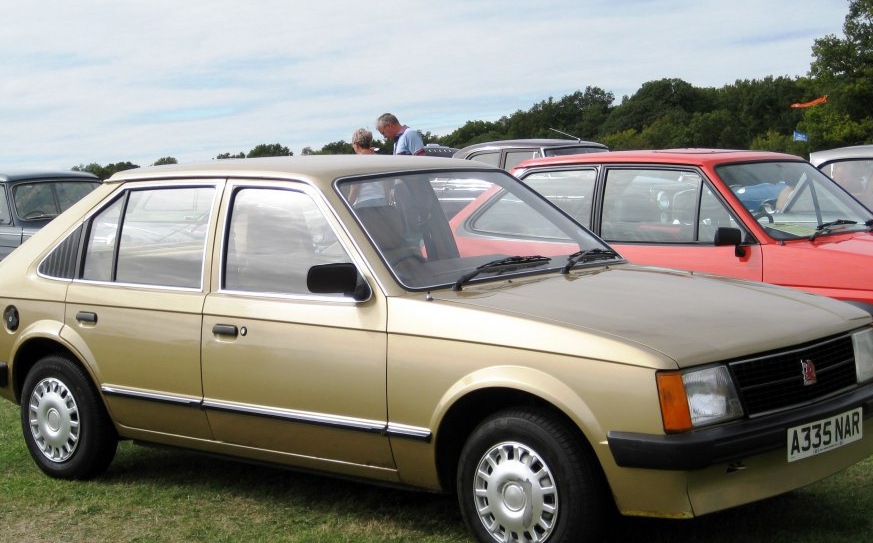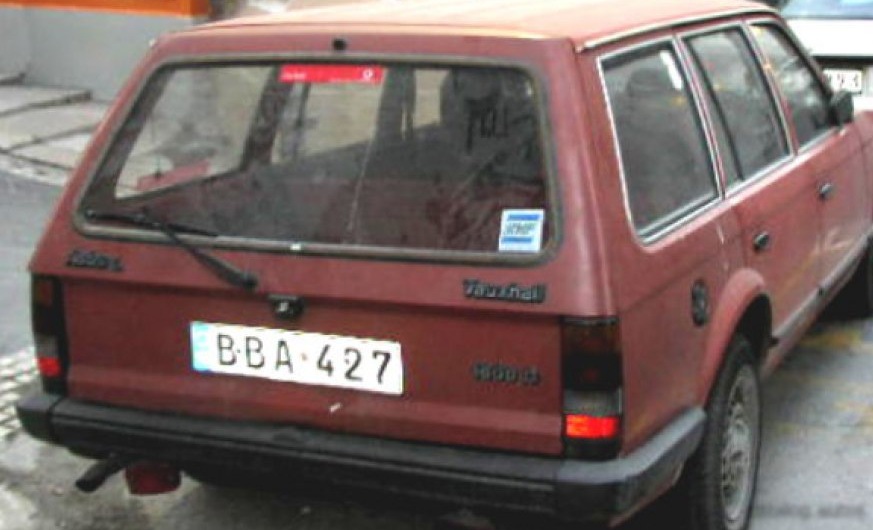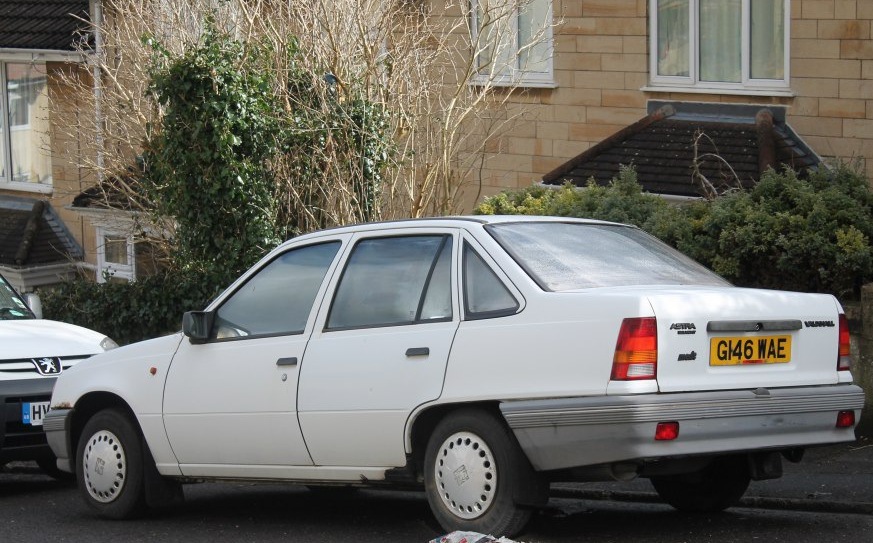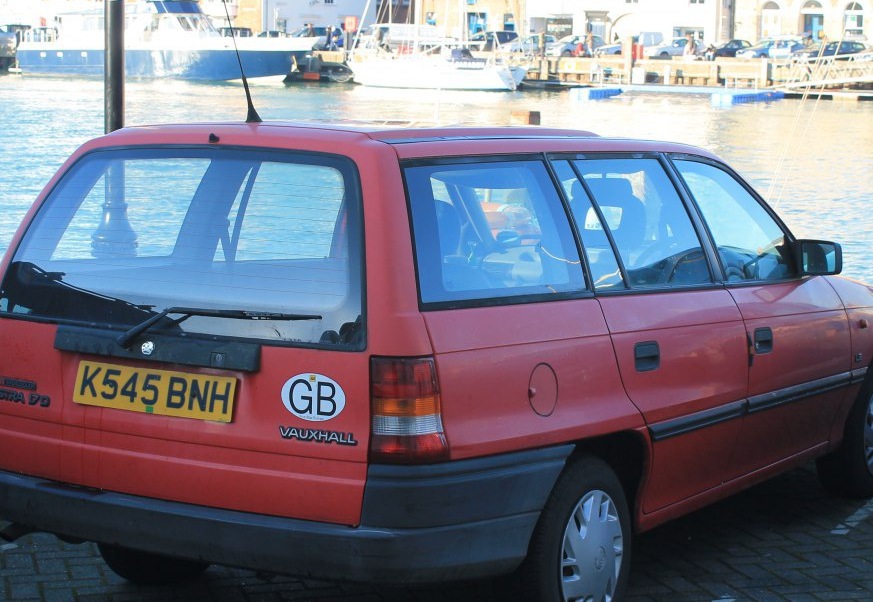
The Vauxhall Astra Mk III Estate 1.7 TD, produced between 1994 and 1998, represented a practical and economical choice within the broader Astra Mk III (H) range. Positioned as the entry-level diesel variant of the estate body style, it catered to buyers prioritizing fuel efficiency and load-carrying capacity over outright performance. This model, powered by the X17DTL engine, was a key offering in the UK and European markets, where diesel estates were highly popular for both personal and commercial use. It was built on the GM T platform, shared with other Opel/Vauxhall and Isuzu models of the era.
Technical Specifications
| Brand | Vauxhall |
| Model | Astra |
| Generation | Astra Mk III Estate |
| Type (Engine) | 1.7 TD (68 Hp) |
| Start of production | 1994 |
| End of production | 1998 |
| Powertrain Architecture | Internal Combustion engine |
| Body type | Station wagon (estate) |
| Seats | 5 |
| Doors | 5 |
| Fuel consumption (urban) | 8.5 l/100 km (27.7 US mpg, 33.2 UK mpg, 11.8 km/l) |
| Fuel consumption (extra urban) | 5.2 l/100 km (45.2 US mpg, 54.3 UK mpg, 19.2 km/l) |
| Fuel consumption (combined) | 6.4 l/100 km (36.8 US mpg, 44.1 UK mpg, 15.6 km/l) |
| CO2 emissions | 170 g/km |
| Fuel Type | Diesel |
| Acceleration 0 – 100 km/h | 18.5 sec |
| Acceleration 0 – 62 mph | 18.5 sec |
| Acceleration 0 – 60 mph | 17.6 sec |
| Maximum speed | 164 km/h (101.9 mph) |
| Weight-to-power ratio | 15.4 kg/Hp, 64.8 Hp/tonne |
| Weight-to-torque ratio | 10 kg/Nm, 100 Nm/tonne |
| Power | 68 Hp @ 4600 rpm |
| Power per litre | 40 Hp/l |
| Torque | 105 Nm @ 2400 rpm (77.44 lb.-ft. @ 2400 rpm) |
| Engine layout | Front, Transverse |
| Engine Model/Code | X17DTL |
| Engine displacement | 1699 cm3 (103.68 cu. in.) |
| Number of cylinders | 4 |
| Engine configuration | Inline |
| Number of valves per cylinder | 2 |
| Fuel injection system | Precombustion chamber injection |
| Engine aspiration | Turbocharger |
| Engine oil capacity | 4.5 l (4.76 US qt | 3.96 UK qt) |
| Coolant capacity | 6.8 l (7.19 US qt | 5.98 UK qt) |
| Kerb Weight | 1050 kg (2314.85 lbs) |
| Max. weight | 1555 kg (3428.19 lbs) |
| Max load | 505 kg (1113.33 lbs) |
| Trunk (boot) space – minimum | 500 l (17.66 cu. ft) |
| Fuel tank capacity | 50 l (13.21 US gal | 11 UK gal) |
| Length | 4280 mm (168.5 in) |
| Width | 1688 mm (66.46 in) |
| Height | 1481 mm (58.31 in) |
| Wheelbase | 2520 mm (99.21 in) |
| Drivetrain Architecture | The Internal combustion engine (ICE) drives the front wheels of the vehicle. |
| Drive wheel | Front wheel drive |
| Number of gears and type of gearbox | 5 gears, manual transmission |
| Front brakes | Ventilated discs |
| Rear brakes | Disc |
| Tires size | 175/65 R14 |
| Wheel rims size | 14 |
Powertrain & Engine Architecture
The heart of the Astra Mk III Estate 1.7 TD was the X17DTL engine, a 1.7-liter inline-four diesel. This engine utilized a precombustion chamber injection system, a common technology for diesel engines of the time, offering a balance between efficiency and emissions control. The X17DTL was turbocharged, which helped to boost power output to 68 horsepower and 105 Nm (77.44 lb-ft) of torque. The turbocharger, while improving performance, also added complexity to the engine. The engine’s 2-valve per cylinder configuration was relatively simple, contributing to its robustness and ease of maintenance. The engine was transversely mounted in the front of the vehicle, driving the front wheels. The five-speed manual transmission was the only gearbox option available with this engine.
Driving Characteristics
The 1.7 TD automatic offered a decidedly unhurried driving experience. Acceleration was slow, taking around 18.5 seconds to reach 62 mph. The focus was on fuel economy rather than performance. The gear ratios were optimized for maximizing fuel efficiency, resulting in a relatively high cruising speed with acceptable noise levels. Compared to the more powerful petrol variants, or even the later direct injection diesels, the 1.7 TD felt significantly underpowered, particularly when fully loaded. However, the turbocharger did provide a noticeable boost in torque at lower engine speeds, making it reasonably capable for everyday driving. The manual transmission offered a more engaging driving experience and slightly improved performance.
Equipment & Trim Levels
The 1.7 TD Estate typically came with a basic level of equipment. Standard features generally included power steering, central locking, and an adjustable steering column. Interior upholstery was typically cloth, and the dashboard featured a functional, if somewhat utilitarian, design. Optional extras included electric windows, a sunroof, and upgraded audio systems. Trim levels were relatively limited, with the 1.7 TD often representing the base model for the estate body style. The emphasis was on providing a practical and affordable vehicle, rather than luxury or high-end features.
Chassis & Braking
The Astra Mk III Estate featured a MacPherson strut front suspension and a torsion beam rear suspension. The suspension setup was tuned for comfort and stability, prioritizing ride quality over sporty handling. Braking was handled by ventilated discs on the front wheels and discs on the rear, providing adequate stopping power for the vehicle’s weight and performance. Stabilizer bars were fitted to both the front and rear axles to reduce body roll during cornering. The relatively light weight of the 1.7 TD variant helped to compensate for its lower power output, contributing to reasonable handling characteristics.
Market Reception & Comparison
The Astra Mk III Estate 1.7 TD was generally well-received as a practical and economical workhorse. Critics praised its fuel efficiency and spacious interior, but noted its lack of performance. Compared to the petrol-powered Astra Estates, the 1.7 TD offered significantly better fuel economy, but at the cost of acceleration and overall driving enjoyment. The later introduction of direct injection diesel engines in the Astra range offered improved performance and refinement, making the 1.7 TD appear somewhat dated. However, its simplicity and robustness continued to appeal to buyers seeking a reliable and affordable estate car.
Legacy
The X17DTL engine, while not known for its blistering performance, proved to be a relatively reliable unit. With proper maintenance, these engines could accumulate high mileage. Today, the Astra Mk III Estate 1.7 TD is a relatively rare sight on the roads, but it remains a popular choice among enthusiasts seeking a classic, affordable, and economical estate car. Parts availability is generally good, and the engine’s simplicity makes it relatively easy to maintain. The 1.7 TD represents a significant chapter in the history of the Astra, showcasing Vauxhall’s commitment to providing practical and fuel-efficient vehicles for the mass market.