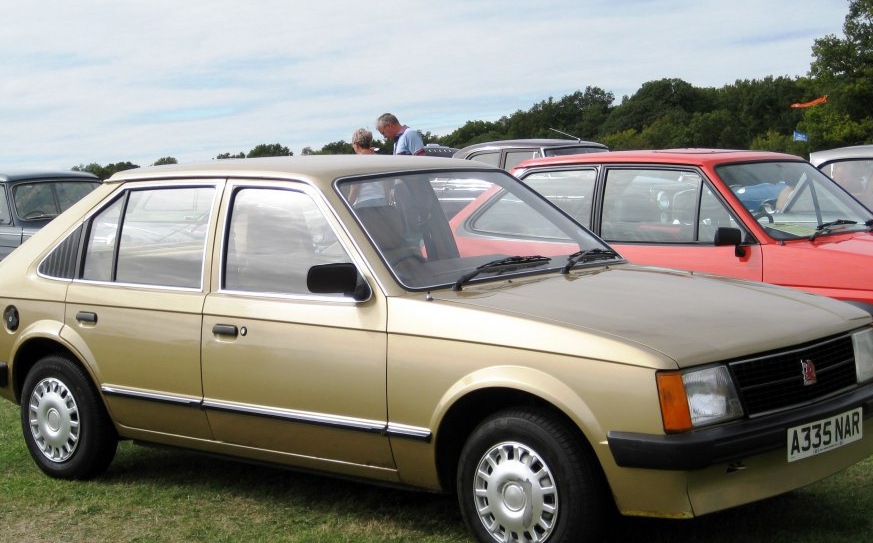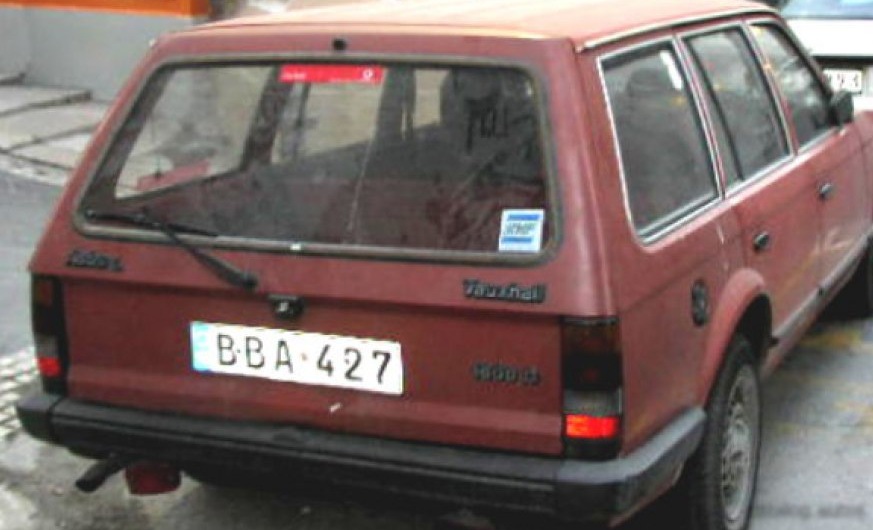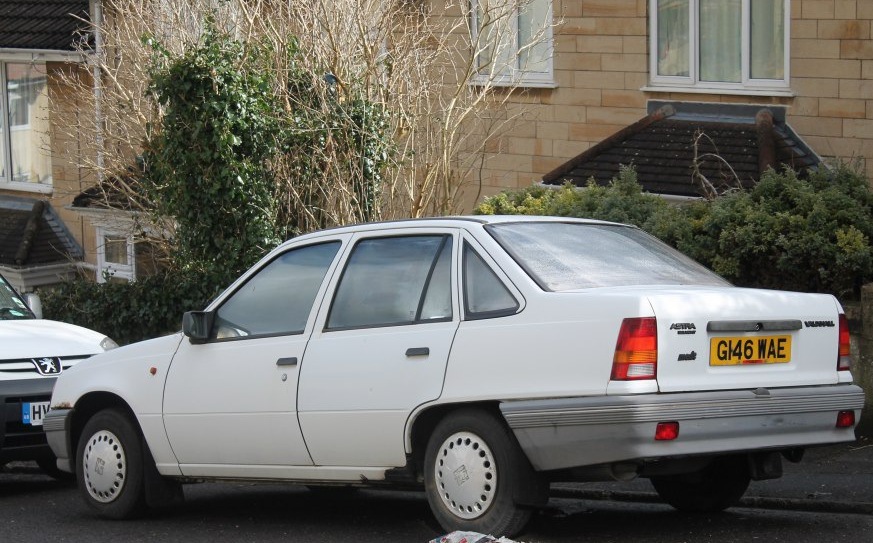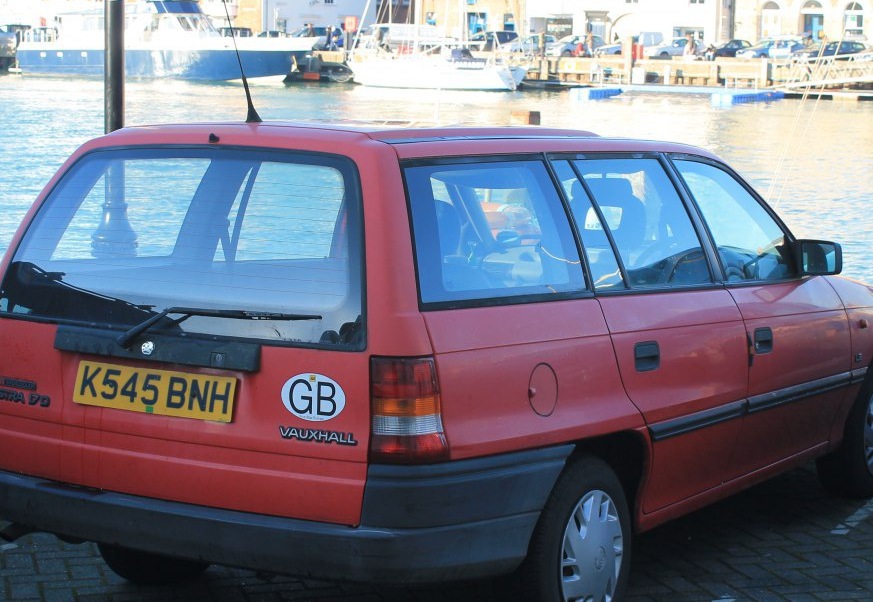
The Vauxhall Astra Mk III Estate 1.8i 16V Automatic, produced between 1994 and 1998, represented a practical and relatively well-equipped offering within the broader Astra Mk III (H) range. Positioned as a mid-range variant, it catered to buyers seeking the spaciousness of a station wagon combined with the convenience of an automatic transmission and a reasonably powerful engine. This model was part of the Mk III generation, built on the GM T platform (internally known as the 1HX0 for the five-door hatchback and estate), and aimed to provide a comfortable and versatile family vehicle. The estate version, in particular, was popular in the United Kingdom and other European markets where practicality was highly valued.
Technical Specifications
| Brand | Vauxhall |
| Model | Astra |
| Generation | Astra Mk III Estate |
| Type (Engine) | 1.8i 16V (115 Hp) Automatic |
| Start of production | 1994 |
| End of production | 1998 |
| Powertrain Architecture | Internal Combustion engine |
| Body type | Station wagon (estate) |
| Seats | 5 |
| Doors | 5 |
| Fuel consumption (urban) | 13 l/100 km (18.1 US mpg, 21.7 UK mpg) |
| Fuel consumption (extra urban) | 6.9 l/100 km (34.1 US mpg, 40.9 UK mpg) |
| Fuel consumption (combined) | 9.1 l/100 km (25.8 US mpg, 31 UK mpg) |
| Fuel Type | Petrol (Gasoline) |
| Acceleration 0 – 100 km/h | 12 sec |
| Acceleration 0 – 62 mph | 12 sec |
| Acceleration 0 – 60 mph | 11.4 sec |
| Maximum speed | 188 km/h (116.82 mph) |
| Weight-to-power ratio | 10 kg/Hp, 99.6 Hp/tonne |
| Weight-to-torque ratio | 6.9 kg/Nm, 145.5 Nm/tonne |
| Power | 115 Hp @ 5400 rpm |
| Power per litre | 63.9 Hp/l |
| Torque | 168 Nm @ 4800 rpm (123.91 lb.-ft. @ 4800 rpm) |
| Engine layout | Front, Transverse |
| Engine Model/Code | C18XEL |
| Engine displacement | 1799 cm3 (109.78 cu. in.) |
| Number of cylinders | 4 |
| Engine configuration | Inline |
| Fuel injection system | Multi-port manifold injection |
| Engine aspiration | Naturally aspirated engine |
| Engine oil capacity | 4 l (4.23 US qt | 3.52 UK qt) |
| Coolant capacity | 7 l (7.4 US qt | 6.16 UK qt) |
| Kerb Weight | 1155 kg (2546.34 lbs) |
| Max. weight | 1655 kg (3648.65 lbs) |
| Max load | 500 kg (1102.31 lbs) |
| Trunk (boot) space – minimum | 501 l (17.69 cu. ft) |
| Fuel tank capacity | 50 l (13.21 US gal | 11 UK gal) |
| Length | 4280 mm (168.5 in) |
| Width | 1689 mm (66.5 in) |
| Height | 1481 mm (58.31 in) |
| Wheelbase | 2520 mm (99.21 in) |
| Front track | 1420 mm (55.91 in) |
| Rear track | 1420 mm (55.91 in) |
| Ride height (ground clearance) | 140 mm (5.51 in) |
| Drag coefficient (Cd) | 0.31 |
| Drivetrain Architecture | Front wheel drive |
| Number of gears and type of gearbox | 4 gears, automatic transmission |
| Front brakes | Ventilated discs |
| Rear brakes | Disc |
| Tires size | 175/65 R14 |
| Wheel rims size | 14 |
Powertrain & Engine Architecture
The heart of the Astra Mk III Estate 1.8i 16V Automatic was the C18XEL engine, a 1.8-liter inline-four cylinder powerplant. This engine belonged to Vauxhall/Opel’s ‘Ecotec’ family, known for its relatively lightweight construction and focus on efficiency. The ‘XEL’ designation indicated a 16-valve cylinder head, contributing to improved breathing and power output compared to earlier 8-valve versions. It utilized multi-port fuel injection, delivering fuel directly to each intake port for precise control and optimized combustion. The engine produced 115 horsepower at 5400 rpm and 168 Nm (124 lb-ft) of torque at 4800 rpm. The automatic transmission was a four-speed unit, providing smooth but not particularly rapid gear changes. This transmission was chosen for its convenience, appealing to drivers who prioritized ease of use over sporty performance.
Driving Characteristics
The 1.8i 16V Automatic offered a comfortable and generally relaxed driving experience. Acceleration from 0-60 mph took around 11.4 to 12 seconds, which was adequate for everyday driving but noticeably slower than the manual transmission versions or the higher-output 2.0-liter models. The automatic transmission, while convenient, did sap some power and responsiveness. Gear ratios were tuned for fuel economy and smooth cruising rather than outright performance. In real-world conditions, the car felt most at home on the highway, where it could maintain a comfortable speed with minimal effort. The automatic transmission could sometimes feel hesitant during overtaking maneuvers, requiring a deliberate kickdown to access more power.
Equipment & Trim Levels
The 1.8i 16V Automatic trim typically included features such as central locking, electric front windows, a basic stereo system, and power steering. Interior upholstery was usually cloth, with a relatively simple dashboard layout. Optional extras included air conditioning, alloy wheels, and a sunroof. The estate version, regardless of trim level, offered a generous 501 liters of boot space, making it a practical choice for families or those needing to transport larger items. The specific trim level (e.g., LS, GLS) determined the level of standard equipment, with higher trims offering more luxurious features.
Chassis & Braking
The Astra Mk III Estate featured independent suspension at the front, typically utilizing MacPherson struts, and a semi-independent torsion beam suspension at the rear. The front brakes were ventilated discs, providing good stopping power, while the rear brakes were typically solid discs. Stabilizer bars were fitted to both the front and rear axles to reduce body roll during cornering. The suspension setup was tuned for comfort, providing a relatively smooth ride, although it wasn’t particularly sporty. The 14-inch wheels and 175/65 R14 tires contributed to the comfortable ride quality.
Market Reception & Comparison
The Astra Mk III Estate 1.8i 16V Automatic was generally well-received as a practical and reliable family car. Critics praised its spacious interior, comfortable ride, and reasonable fuel economy (around 25.8 US mpg combined). However, the automatic transmission was often criticized for its lack of responsiveness and its impact on fuel consumption compared to the manual gearbox. Compared to the 2.0-liter versions, the 1.8i offered a more affordable entry point into the Astra Estate range, but at the cost of performance. The 1.7-liter diesel models offered superior fuel economy but significantly less power.
Legacy
The C18XEL engine, when properly maintained, proved to be a durable and reliable unit. The four-speed automatic transmission, while not the most advanced, was also generally dependable. Today, the Astra Mk III Estate 1.8i 16V Automatic is a relatively affordable classic car, appealing to those seeking a practical and nostalgic vehicle. Parts availability is generally good, although some trim-specific components may be harder to find. These cars are often sought after by enthusiasts looking for a simple, reliable, and spacious estate car. Rust is the biggest enemy of these vehicles, so finding a well-preserved example is crucial.