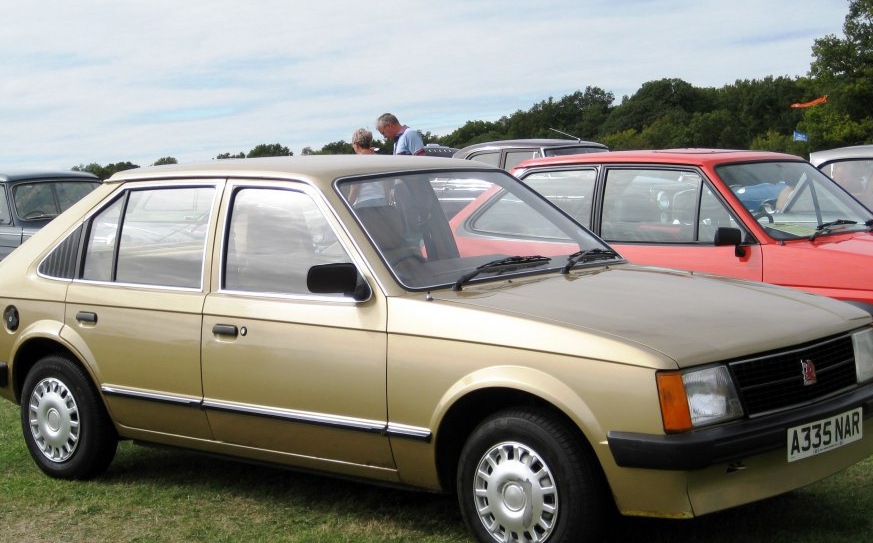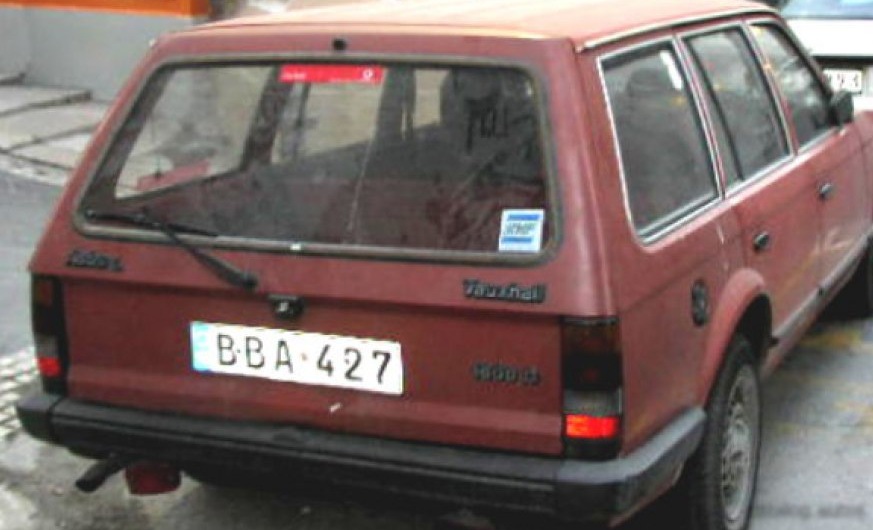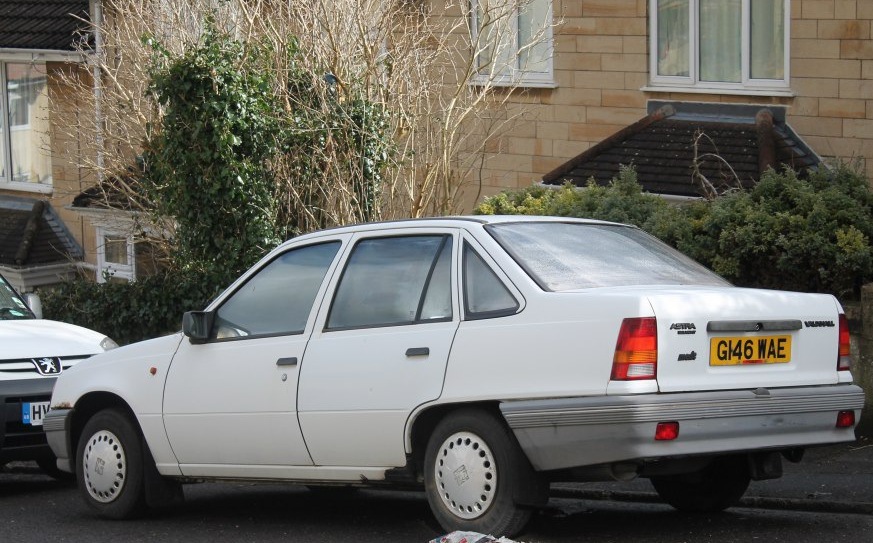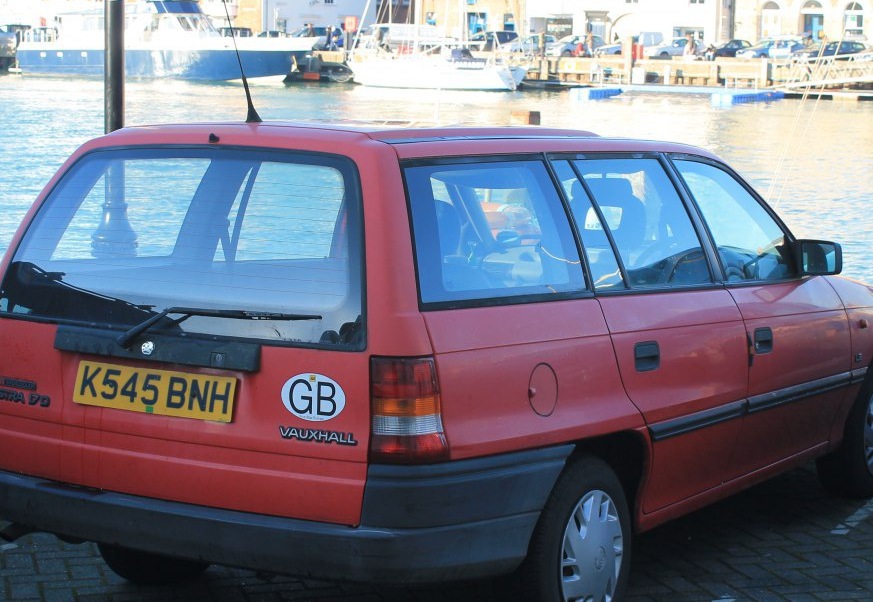
The Vauxhall Astra Mk III Estate 1.8i (90 hp) was a popular family car produced between 1991 and 1998. Positioned as a practical and affordable option within the Mk III Astra range, this variant offered a balance between fuel economy, space, and usability. It was a key model for Vauxhall in the UK market, catering to families and individuals needing a versatile vehicle for everyday transport. The Mk III Astra, built on the GM T platform (internally known as the 1HX0), represented a significant step forward in terms of design and engineering compared to its predecessor, and the estate version further enhanced its practicality. This specific 1.8L engine paired with an automatic transmission was aimed at buyers prioritizing convenience over outright performance.
Technical Specifications
| Brand | Vauxhall |
| Model | Astra |
| Generation | Astra Mk III Estate |
| Type (Engine) | 1.8i (90 Hp) |
| Start of production | 1991 |
| End of production | 1998 |
| Powertrain Architecture | Internal Combustion engine |
| Body type | Station wagon (estate) |
| Seats | 5 |
| Doors | 5 |
| Fuel consumption (combined) | 7.6 l/100 km |
| Fuel consumption (US mpg) | 30.9 US mpg |
| Fuel consumption (UK mpg) | 37.2 UK mpg |
| Fuel consumption (km/l) | 13.2 km/l |
| CO2 emissions | 181 g/km |
| Fuel Type | Petrol (Gasoline) |
| Acceleration 0 – 100 km/h | 12.5 sec |
| Acceleration 0 – 62 mph | 12.5 sec |
| Acceleration 0 – 60 mph | 11.9 sec |
| Maximum speed | 180 km/h (111.85 mph) |
| Power | 90 Hp @ 5400 rpm |
| Power per litre | 50.1 Hp/l |
| Torque | 145 Nm @ 3000 rpm (106.95 lb.-ft. @ 3000 rpm) |
| Engine layout | Front, Transverse |
| Engine Model/Code | C18NZ |
| Engine displacement | 1796 cm3 (109.6 cu. in.) |
| Number of cylinders | 4 |
| Engine configuration | Inline |
| Fuel injection system | Single-point injection |
| Engine aspiration | Naturally aspirated engine |
| Engine oil capacity | 4 l (4.23 US qt | 3.52 UK qt) |
| Coolant capacity | 7 l (7.4 US qt | 6.16 UK qt) |
| Trunk (boot) space – minimum | 500 l (17.66 cu. ft.) |
| Fuel tank capacity | 50 l (13.21 US gal | 11 UK gal) |
| Length | 4280 mm (168.5 in.) |
| Width | 1688 mm (66.46 in.) |
| Height | 1481 mm (58.31 in.) |
| Wheelbase | 2520 mm (99.21 in.) |
| Drivetrain Architecture | Front wheel drive |
| Number of gears and type of gearbox | 4-speed automatic |
| Front brakes | Ventilated discs |
| Rear brakes | Drum |
| Tires size | 175/65 R14 |
| Wheel rims size | 14 |
Powertrain & Engine Architecture
The heart of the Astra Mk III Estate 1.8i (90 hp) is the C18NZ engine, an 1.8-liter inline-four cylinder petrol engine. This engine utilized a single-point fuel injection system (throttle body injection), which was a common feature for its time, offering a compromise between cost and efficiency. The C18NZ is a relatively simple engine design, known for its durability, but lacking the sophistication of multi-point injection systems found in later models. It features a single overhead camshaft (SOHC) valvetrain, operating two valves per cylinder. The engine’s 90 horsepower output at 5400 rpm and 145 Nm (106.95 lb-ft) of torque at 3000 rpm were considered adequate for everyday driving, but not particularly sporty. Paired with a four-speed automatic transmission, the powertrain prioritized smooth operation and ease of use over rapid acceleration. The automatic transmission was a three-speed unit, offering relatively wide gear ratios designed for fuel efficiency rather than performance.
Driving Characteristics
The 1.8L automatic Astra Estate offered a comfortable, if not exhilarating, driving experience. Acceleration was modest, taking around 12.5 seconds to reach 62 mph. The automatic transmission, while convenient, did detract from the engine’s available power, resulting in a noticeable delay during overtaking maneuvers. The gear ratios were spaced to prioritize fuel economy, meaning the engine often felt strained when climbing hills or carrying a full load. Compared to the five-speed manual version of the 1.8L, the automatic suffered a slight performance penalty. The manual offered quicker acceleration and a more engaging driving experience, appealing to drivers who valued control. Higher-spec Astra models, such as those equipped with the 2.0L 16V engine, provided significantly more power and a sportier driving feel, but at a higher price point.
Equipment & Trim Levels
The 1.8i automatic estate typically came with a reasonable level of standard equipment. This included central locking, electric front windows, and a basic stereo system. Interior upholstery was typically cloth, with a durable and practical finish. Optional extras included power steering (often fitted), alloy wheels, and a sunroof. Trim levels varied slightly depending on the year of manufacture, but generally, this variant occupied a mid-range position in the Astra Estate lineup. It sat above the base models (often with smaller engines) but below the more luxurious and powerful trims.
Chassis & Braking
The Astra Mk III Estate featured a MacPherson strut front suspension and a torsion beam rear suspension. This setup provided a comfortable ride, although it wasn’t particularly sporty. The front brakes were ventilated discs, offering adequate stopping power, while the rear brakes were drums, a cost-saving measure common in this class of vehicle. Stabilizer bars were fitted to both the front and rear axles, helping to reduce body roll during cornering. The suspension was tuned for comfort and practicality, prioritizing ride quality over handling precision.
Market Reception & Comparison
The Astra Mk III Estate 1.8i automatic was generally well-received by critics as a practical and affordable family car. Its fuel economy of around 30.9 US mpg was considered reasonable for its time, although it wasn’t class-leading. Reliability was generally good, although the single-point fuel injection system could require occasional maintenance. Compared to other trims in the Astra lineup, the 1.8L automatic offered a good balance between price, performance, and convenience. The 1.6L models were cheaper but lacked the power for comfortable long-distance cruising, while the 2.0L models were more expensive and aimed at a different type of buyer. Competitors included the Ford Escort Estate and the Peugeot 305/306 Estate.
Legacy
The C18NZ engine, while not known for its high performance, proved to be a durable and reliable unit. Many examples are still on the road today, testament to its robust construction. The Astra Mk III Estate 1.8i automatic remains a popular choice for classic car enthusiasts and those seeking an affordable and practical vintage vehicle. Parts availability is generally good, and maintenance is relatively straightforward. However, potential buyers should be aware of the age-related issues common to older cars, such as corrosion and wear and tear on suspension components. In the used car market, these Astras are typically valued for their practicality and affordability, rather than their performance or rarity.