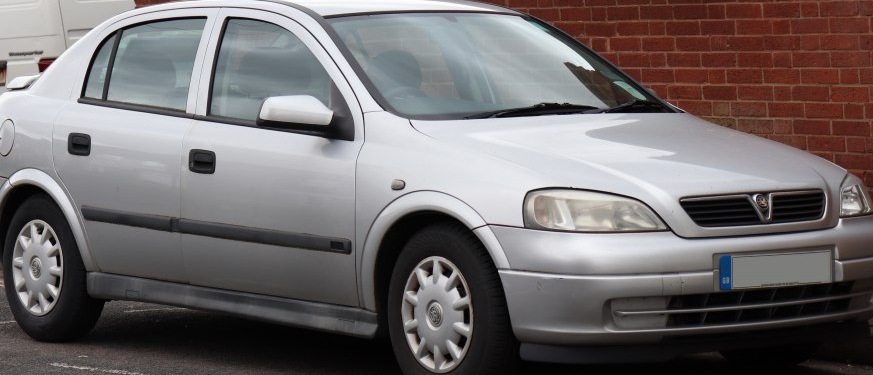
The Vauxhall Astra Mk IV 2.0 16V, produced between 1998 and 2004, represented a significant step forward for the Astra range. Positioned as a mid-to-upper trim level within the Mk IV generation (codenamed G), it offered a blend of performance and practicality aimed at drivers seeking more than the base models provided. This variant, powered by the X20XEV engine, was a popular choice in the UK and European markets, offering a compelling alternative to rivals like the Ford Focus and Volkswagen Golf. The Mk IV Astra was a crucial model for Vauxhall, building on the success of its predecessors and establishing a strong presence in the competitive C-segment.
Technical Specifications
| Brand | Vauxhall |
| Model | Astra |
| Generation | Astra Mk IV |
| Type (Engine) | 2.0 16V (136 Hp) |
| Start of production | 1998 |
| End of production | 2004 |
| Powertrain Architecture | Internal Combustion engine |
| Body type | Sedan |
| Seats | 5 |
| Doors | 4 |
| Fuel consumption (urban) | 12 l/100 km (19.6 US mpg, 23.5 UK mpg, 8.3 km/l) |
| Fuel consumption (extra urban) | 6.6 l/100 km (35.6 US mpg, 42.8 UK mpg, 15.2 km/l) |
| Fuel consumption (combined) | 8.6 l/100 km (27.4 US mpg, 32.8 UK mpg, 11.6 km/l) |
| CO2 emissions | 207 g/km |
| Fuel Type | Petrol (Gasoline) |
| Acceleration 0 – 100 km/h | 9 sec |
| Acceleration 0 – 62 mph | 9 sec |
| Acceleration 0 – 60 mph | 8.6 sec |
| Maximum speed | 208 km/h (129.25 mph) |
| Weight-to-power ratio | 8.3 kg/Hp, 119.8 Hp/tonne |
| Weight-to-torque ratio | 6 kg/Nm, 165.6 Nm/tonne |
| Power | 136 Hp @ 5600 rpm |
| Power per litre | 68.1 Hp/l |
| Torque | 188 Nm @ 3400 rpm (138.66 lb.-ft. @ 3400 rpm) |
| Engine layout | Front, Transverse |
| Engine Model/Code | X20XEV |
| Engine displacement | 1998 cm3 (121.93 cu. in.) |
| Number of cylinders | 4 |
| Engine configuration | Inline |
| Number of valves per cylinder | 4 |
| Fuel injection system | Multi-port manifold injection |
| Engine aspiration | Naturally aspirated engine |
| Engine oil capacity | 4.25 l (4.49 US qt, 3.74 UK qt) |
| Coolant capacity | 6.7 l (7.08 US qt, 5.9 UK qt) |
| Kerb Weight | 1135 kg (2502.25 lbs) |
| Max. weight | 1705 kg (3758.88 lbs) |
| Max load | 570 kg (1256.63 lbs) |
| Trunk (boot) space – minimum | 460 l (16.24 cu. ft.) |
| Fuel tank capacity | 52 l (13.74 US gal, 11.44 UK gal) |
| Length | 4252 mm (167.4 in) |
| Width | 1709 mm (67.28 in) |
| Width including mirrors | 1967 mm (77.44 in) |
| Height | 1425 mm (56.1 in) |
| Wheelbase | 2606 mm (102.6 in) |
| Ride height (ground clearance) | 160 mm (6.3 in) |
| Drag coefficient (Cd) | 0.29 |
| Minimum turning circle | 10 m (32.81 ft) |
| Drivetrain Architecture | The Internal combustion engine (ICE) drives the front wheels of the vehicle. |
| Drive wheel | Front wheel drive |
| Number of gears and type of gearbox | 5 gears, manual transmission |
| Front brakes | Ventilated discs |
| Rear brakes | Disc |
| Tires size | 195/60 R15 |
| Wheel rims size | 15 |
The heart of the Astra Mk IV 2.0 16V is the X20XEV engine, a 1998cc, naturally aspirated inline-four cylinder powerplant. This engine belongs to the ‘Ecotec’ family developed by Opel (Vauxhall’s parent company), known for its focus on efficiency and refinement. The X20XEV features a cast iron block with an aluminum cylinder head, incorporating four valves per cylinder and a dual overhead camshaft design. Fuel delivery is managed by a Bosch Motronic multi-port fuel injection system, providing precise control over the air-fuel mixture. The engine’s 136 horsepower at 5600 rpm and 188 Nm (138.66 lb-ft) of torque at 3400 rpm provided a noticeable performance boost over the lower-capacity engines available in the Astra range. The five-speed manual transmission was the standard offering, providing a direct and engaging driving experience. The gearbox ratios were tuned to balance acceleration and fuel economy, with a relatively short final drive to maximize responsiveness.
Driving Characteristics
The 2.0 16V Astra offered a noticeably more spirited driving experience than its smaller-engined siblings. Acceleration to 60 mph took approximately 8.6 seconds, and it could reach a top speed of 129.25 mph. While not a sports car, the engine provided ample power for everyday driving and overtaking maneuvers. The manual transmission allowed for precise gear selection, and the engine was willing to rev freely. Compared to the 1.6L and 1.8L models, the 2.0 16V felt more confident at higher speeds and when carrying a full load. The suspension, while tuned for comfort, provided reasonable body control, and the ventilated front disc brakes offered adequate stopping power. However, the rear drum brakes on some models could feel less effective under heavy braking.
Equipment & Trim Levels
The 2.0 16V Astra typically came equipped with a reasonable level of standard equipment. This included central locking, electric front windows, power steering, and an adjustable steering column. Higher trim levels, such as the ‘SE’ and ‘SRi’, added features like alloy wheels, air conditioning, a CD player, and upgraded interior trim. Interior upholstery was typically cloth, with options for leather available on some models. The dashboard layout was functional and straightforward, with clear instrumentation. Optional extras included a sunroof, rear electric windows, and upgraded audio systems.
Chassis & Braking
The Astra Mk IV utilized a MacPherson strut front suspension and a torsion beam rear suspension. This setup provided a good balance between ride comfort and handling. The 2.0 16V models generally featured a thicker front stabilizer bar compared to the lower-spec versions, further improving body control. Braking was handled by ventilated discs on the front wheels and discs on the rear (some base models had drum brakes on the rear). The braking system was adequate for the car’s performance, but lacked the sophistication of more advanced systems found on some rivals.
Market Reception & Comparison
The Astra Mk IV 2.0 16V was generally well-received by automotive critics. It was praised for its refined engine, comfortable ride, and practical interior. However, some critics noted that the styling was somewhat conservative compared to rivals like the Ford Focus. Compared to the 1.8L models, the 2.0 16V offered a significant performance upgrade, but at the cost of slightly higher fuel consumption. The 1.8L models were often seen as a more sensible choice for drivers prioritizing fuel economy, while the 2.0 16V appealed to those who wanted more power and driving enjoyment. The 2.0 16V also offered a more affordable alternative to the higher-performance Astra variants, such as the GSi.
Legacy
The X20XEV engine proved to be a relatively reliable unit, although regular maintenance is crucial. Common issues include oil leaks from the valve cover gasket and occasional problems with the throttle body. The Astra Mk IV 2.0 16V remains a popular choice in the used car market, offering a good balance of affordability, practicality, and performance. Parts availability is generally good, and the car is relatively easy to maintain. While not a classic in the same vein as some of its predecessors, the Mk IV 2.0 16V represents a solid and dependable family car that continues to provide reliable transportation for many drivers today.