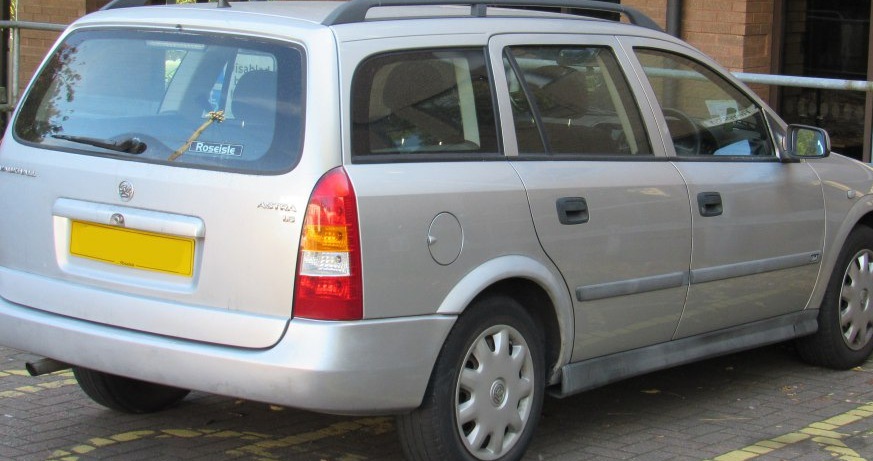
The Vauxhall Astra Mk IV Estate 1.6 16V, produced between 1998 and 2000, represented a practical and affordable option within the fourth generation of the Astra range. Positioned as a mid-range trim level, it offered the versatility of a station wagon body style combined with a relatively economical 1.6-liter, 16-valve engine. This variant was primarily aimed at families and individuals needing a spacious and reliable vehicle for everyday use, and was a common sight on UK roads during its production run. It was built on the GM260 platform, shared with other Opel/Vauxhall and Saab models of the era.
Technical Specifications
| Brand | Vauxhall |
| Model | Astra |
| Generation | Astra Mk IV Estate |
| Type (Engine) | 1.6 16V (101 Hp) |
| Start of production | 1998 |
| End of production | 2000 |
| Powertrain Architecture | Internal Combustion engine |
| Body type | Station wagon (estate) |
| Seats | 5 |
| Doors | 5 |
| CO2 emissions | 160 g/km |
| Fuel Type | Petrol (Gasoline) |
| Weight-to-power ratio | 11.9 kg/Hp, 84.2 Hp/tonne |
| Weight-to-torque ratio | 8.2 kg/Nm, 122.5 Nm/tonne |
| Power | 101 Hp |
| Power per litre | 63.2 Hp/l |
| Torque | 147 Nm (108.42 lb.-ft.) |
| Engine layout | Front, Transverse |
| Engine Model/Code | X16XEL |
| Engine displacement | 1598 cm3 (97.52 cu. in.) |
| Number of cylinders | 4 |
| Engine configuration | Inline |
| Number of valves per cylinder | 4 |
| Engine aspiration | Naturally aspirated engine |
| Engine oil capacity | 3.25 l (3.43 US qt | 2.86 UK qt) |
| Coolant | 6.3 l (6.66 US qt | 5.54 UK qt) |
| Kerb Weight | 1200 kg (2645.55 lbs.) |
| Trunk (boot) space – minimum | 481 l (16.99 cu. ft.) |
| Fuel tank capacity | 52 l (13.74 US gal | 11.44 UK gal) |
| Permitted trailer load with brakes (12%) | 1100 kg (2425.08 lbs.) |
| Permitted trailer load without brakes | 570 kg (1256.63 lbs.) |
| Length | 4290 mm (168.9 in.) |
| Width | 1709 mm (67.28 in.) |
| Height | 1509 mm (59.41 in.) |
| Wheelbase | 2611 mm (102.8 in.) |
| Front track | 1481 mm (58.31 in.) |
| Minimum turning circle (turning diameter) | 10 m (32.81 ft.) |
| Drivetrain Architecture | The Internal combustion engine (ICE) drives the front wheels of the vehicle. |
| Drive wheel | Front wheel drive |
| Number of gears and type of gearbox | 5 gears, manual transmission |
Powertrain & Engine Architecture
The heart of the Astra Mk IV Estate 1.6 16V is the X16XEL engine, a 1.6-liter inline-four cylinder petrol engine. This engine is a naturally aspirated unit featuring a multi-point fuel injection system and a dual overhead camshaft (DOHC) design with four valves per cylinder. The 16-valve configuration contributes to improved breathing and a broader power band compared to earlier 8-valve designs. The X16XEL is known for its relative simplicity and robustness, making it a fairly reliable engine when properly maintained. The engine produces 101 horsepower and 147 Nm (108.42 lb-ft) of torque. The engine’s design prioritized fuel efficiency and smooth operation over outright performance. The five-speed manual transmission was the standard offering, providing a reasonable balance between acceleration and economy.
Driving Characteristics
The 1.6 16V engine, paired with the five-speed manual gearbox, provided adequate, but not exhilarating, performance. Acceleration from 0 to 60 mph took around 11-12 seconds, and top speed was approximately 115 mph. The engine felt most comfortable in the mid-range, offering sufficient power for overtaking and cruising on motorways. The gear ratios were well-spaced, allowing for efficient use of the engine’s power. Compared to the more powerful 1.8 and 2.0-liter variants, the 1.6 felt noticeably less responsive, particularly when fully loaded. However, it offered a more economical driving experience, with fuel consumption averaging around 35-40 mpg in mixed driving conditions. The estate body style added weight compared to the hatchback, slightly impacting handling, but the suspension provided a comfortable ride.
Equipment & Trim Levels
The 1.6 16V Estate typically came with a reasonable level of standard equipment. This included central locking, power steering, electric front windows, and an adjustable steering column. Interior upholstery was typically cloth, with a relatively simple dashboard layout. Optional extras included air conditioning, alloy wheels, and a CD player. The trim level sat in the middle of the Astra Estate range, offering a step up from the basic models but lacking the more luxurious features found in the higher-spec versions. Safety features were fairly basic for the time, including a driver’s airbag and seatbelts.
Chassis & Braking
The Astra Mk IV Estate utilized a MacPherson strut front suspension and a torsion beam rear suspension. This setup provided a good balance between ride comfort and handling. The front brakes were ventilated discs, while the rear brakes were typically drum brakes, although some higher-spec models featured rear discs. The steering was hydraulically assisted, providing a light and responsive feel. Stabilizer bars were fitted to both the front and rear axles to reduce body roll during cornering. The chassis was designed to provide a stable and predictable driving experience, even when carrying a full load.
Market Reception & Comparison
The Astra Mk IV Estate 1.6 16V was generally well-received by critics as a practical and affordable family car. It was praised for its spacious interior, comfortable ride, and reasonable fuel economy. However, it was also criticized for its lack of outright performance and somewhat bland styling. Compared to other estate cars in its class, such as the Ford Mondeo Estate and the Peugeot 306 Estate, the Astra offered a competitive package in terms of price and practicality. The 1.8-liter versions of the Astra Estate offered significantly more performance, but at the cost of increased fuel consumption and a higher purchase price. The 1.7 DTi diesel version provided even better fuel economy, but was considerably slower.
Legacy
The X16XEL engine proved to be a relatively durable and reliable unit, and many Astra Mk IV Estates with this engine are still on the road today. While not known for its high performance, it offered a dependable and economical powertrain for everyday use. The Astra Mk IV Estate, in general, established a strong reputation for practicality and value, contributing to the Astra’s continued success in the European market. In the used car market, these models are now considered affordable classics, appealing to those seeking a reliable and spacious estate car for a modest price. Maintenance costs are generally low, and parts availability remains good, making it a viable option for budget-conscious buyers.