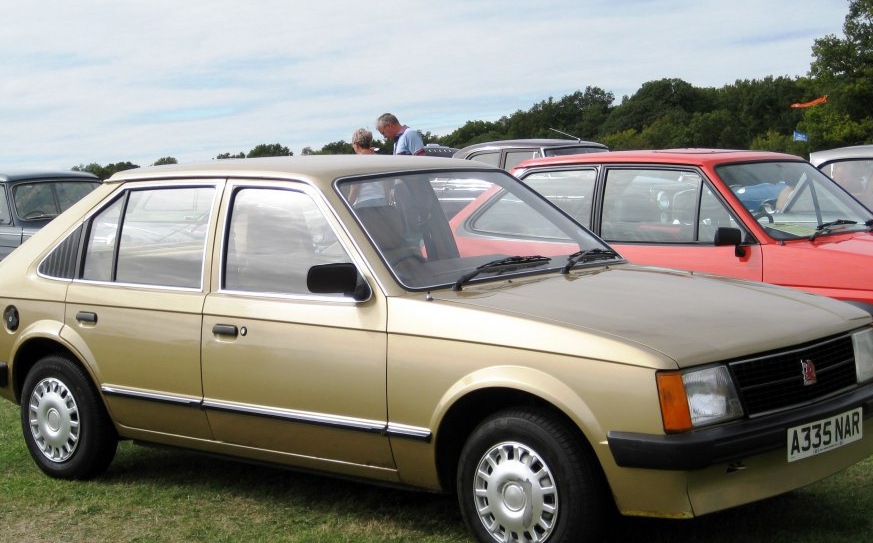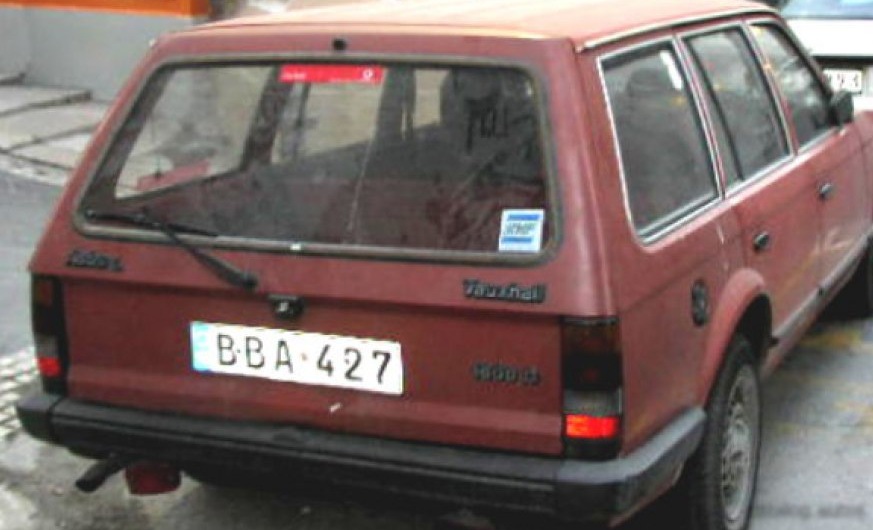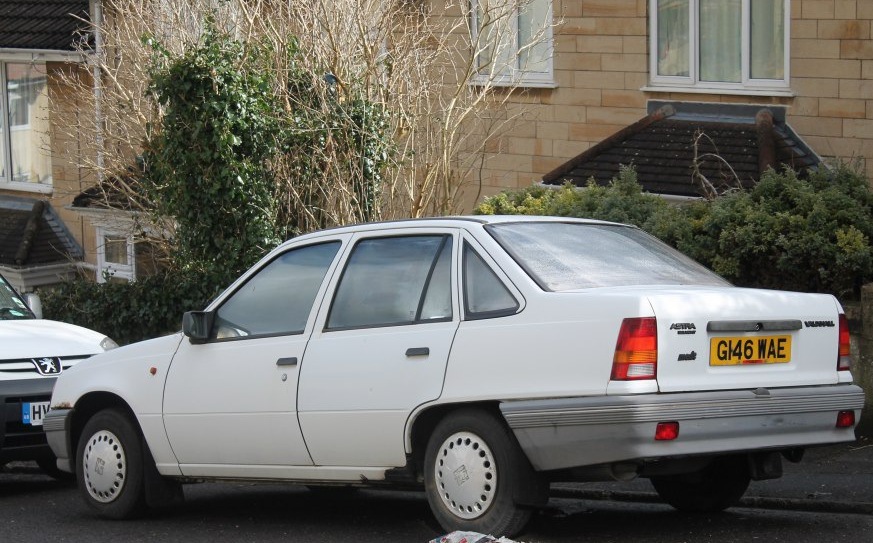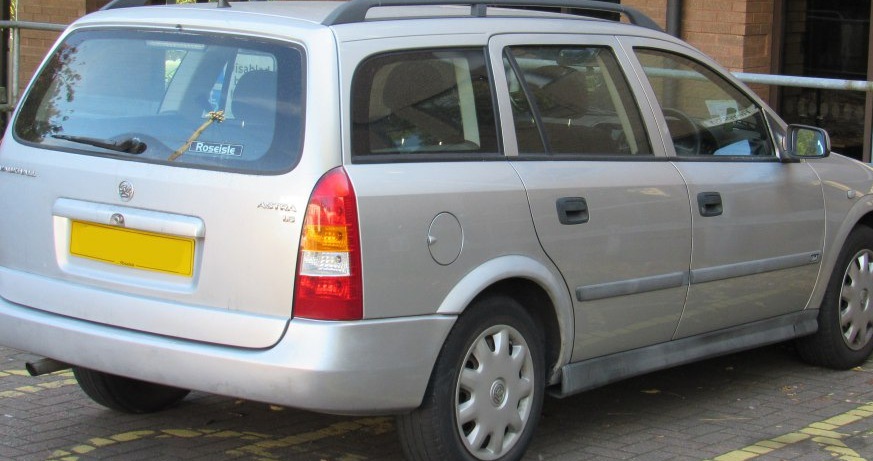
The Vauxhall Astra Mk IV Estate 1.6 (75 hp) was a practical and affordable station wagon offered as part of the Mk IV Astra range, produced between 1998 and 2000. Positioned as an entry-level trim within the estate body style, it catered to buyers prioritizing space and economy over outright performance. This variant played a significant role in the UK market, offering a versatile family vehicle at a competitive price point. It was based on the Astra-G platform, known internally as the 1HX0, and shared many components with the Opel Astra F, reflecting Vauxhall’s close ties with its German parent company.
Technical Specifications
| Brand | Vauxhall |
| Model | Astra |
| Generation | Astra Mk IV Estate |
| Type (Engine) | 1.6 (75 Hp) |
| Start of production | 1998 |
| End of production | 2000 |
| Powertrain Architecture | Internal Combustion engine |
| Body type | Station wagon (estate) |
| Seats | 5 |
| Doors | 5 |
| Fuel Type | Petrol (Gasoline) |
| Power | 75 Hp |
| Engine layout | Front, Transverse |
| Engine Model/Code | X16SZR |
| Number of cylinders | 4 |
| Engine configuration | Inline |
| Engine aspiration | Naturally aspirated engine |
| Engine oil capacity | 3.25 l / 3.43 US qt / 2.86 UK qt |
| Coolant capacity | 5.8 l / 6.13 US qt / 5.1 UK qt |
| Trunk (boot) space – minimum | 481 l / 16.99 cu. ft. |
| Length | 4290 mm / 168.9 in. |
| Width | 1709 mm / 67.28 in. |
| Height | 1509 mm / 59.41 in. |
| Wheelbase | 2611 mm / 102.8 in. |
| Front track | 1481 mm / 58.31 in. |
| Drivetrain Architecture | Internal Combustion engine (ICE) drives the front wheels |
| Drive wheel | Front wheel drive |
| Number of gears and type of gearbox | 5 gears, manual transmission |
Powertrain & Engine Architecture
The Astra Mk IV Estate 1.6 (75 hp) was powered by the X16SZR engine, a 1.6-liter inline four-cylinder petrol engine. This engine was a relatively simple design, utilizing a single overhead camshaft (SOHC) valvetrain with two valves per cylinder. Fuel delivery was managed by a multi-point fuel injection system, providing adequate, though not exceptional, fuel economy. The X16SZR was known for its durability and relative ease of maintenance. The engine produced 75 horsepower at 5,200 rpm and 125 Nm (92 lb-ft) of torque at 3,600 rpm. This engine was a mainstay in various Vauxhall/Opel models of the era, appreciated for its reliability. The five-speed manual transmission offered a fairly conventional gear ratio spread, prioritizing fuel efficiency over rapid acceleration.
Driving Characteristics
The 1.6-liter engine, coupled with the five-speed manual gearbox, provided adequate performance for everyday driving. Acceleration was modest, with a 0-60 mph time estimated around 12-13 seconds. The engine felt somewhat strained when fully loaded or tackling steep inclines. The gear ratios were spaced to maximize fuel economy, meaning the engine often needed to be revved to access its power. Compared to the more powerful 1.8-liter and 2.0-liter variants, the 1.6 felt noticeably slower, particularly during overtaking maneuvers. However, the lighter engine weight contributed to slightly improved handling and a more forgiving ride. The steering was light and precise, making it easy to maneuver in urban environments.
Equipment & Trim Levels
The 1.6-liter Astra Estate typically came with a basic level of equipment. Standard features generally included central locking, power steering, and an adjustable steering column. Interior upholstery was typically cloth, with a durable, though somewhat basic, finish. Air conditioning and electric windows were often optional extras. The dashboard layout was functional and straightforward, prioritizing usability over aesthetic appeal. Higher trim levels, such as the LS and GLS, added features like alloy wheels, upgraded interior trim, and more advanced audio systems. The 1.6 model was often seen as a base model, appealing to buyers seeking a practical and affordable estate car.
Chassis & Braking
The Astra Mk IV Estate utilized a MacPherson strut front suspension and a torsion beam rear suspension. This setup provided a reasonable balance between ride comfort and handling. The front brakes were ventilated discs, while the rear brakes were typically drum brakes, a cost-saving measure for the entry-level models. Stabilizer bars were fitted to both the front and rear axles, helping to reduce body roll during cornering. The suspension was tuned for comfort, resulting in a relatively soft ride quality. The braking performance was adequate for normal driving conditions, but lacked the stopping power of the higher-spec models with larger brakes.
Market Reception & Comparison
The Astra Mk IV Estate 1.6 (75 hp) was generally well-received as a practical and affordable family car. Critics praised its spacious interior, generous boot capacity, and reasonable fuel economy. However, the engine’s lack of power was often cited as a drawback. Compared to the 1.8-liter and 2.0-liter variants, the 1.6 offered significantly less performance. The 1.8-liter offered a noticeable improvement in acceleration and overall drivability, while the 2.0-liter provided even more power. In terms of reliability, the 1.6-liter engine proved to be very dependable, with relatively few reported issues. Fuel economy was a strong point, with owners typically achieving around 35-40 mpg in mixed driving conditions.
Legacy
The Vauxhall Astra Mk IV Estate 1.6 (75 hp) remains a relatively common sight on UK roads today, testament to its durability and affordability. The X16SZR engine is known for its longevity, and many examples are still running reliably with proper maintenance. In the used car market, these models are typically very affordable, making them an attractive option for budget-conscious buyers. While not a performance icon, the 1.6-liter Astra Estate provided a practical and dependable solution for families seeking a spacious and economical vehicle. Its simplicity and robust construction have contributed to its enduring appeal, solidifying its place as a reliable workhorse of the late 1990s and early 2000s.