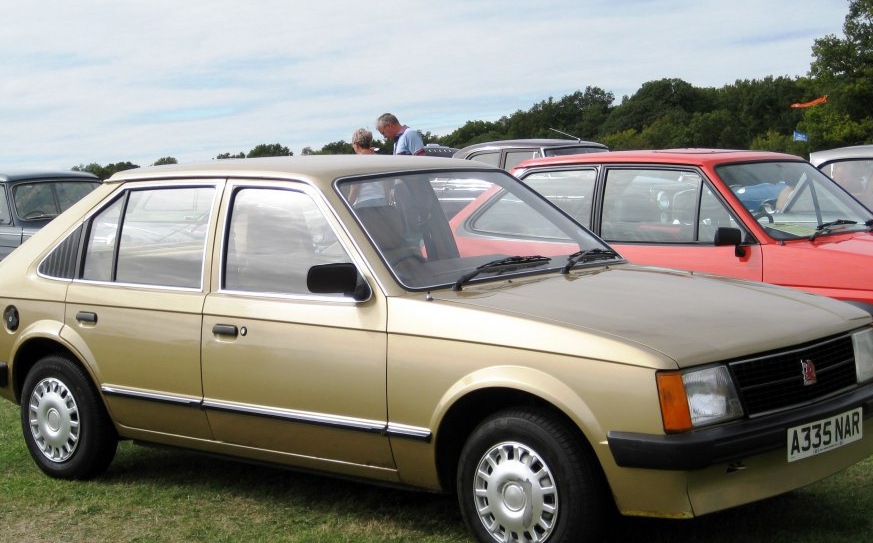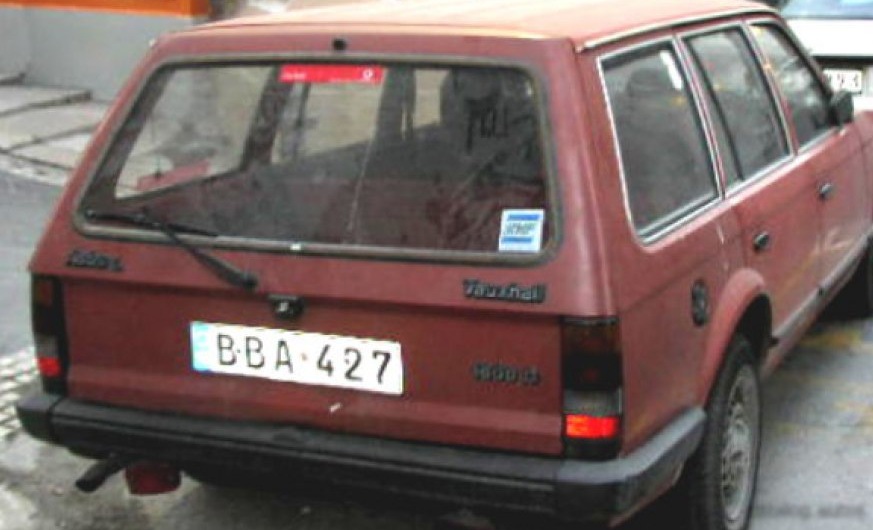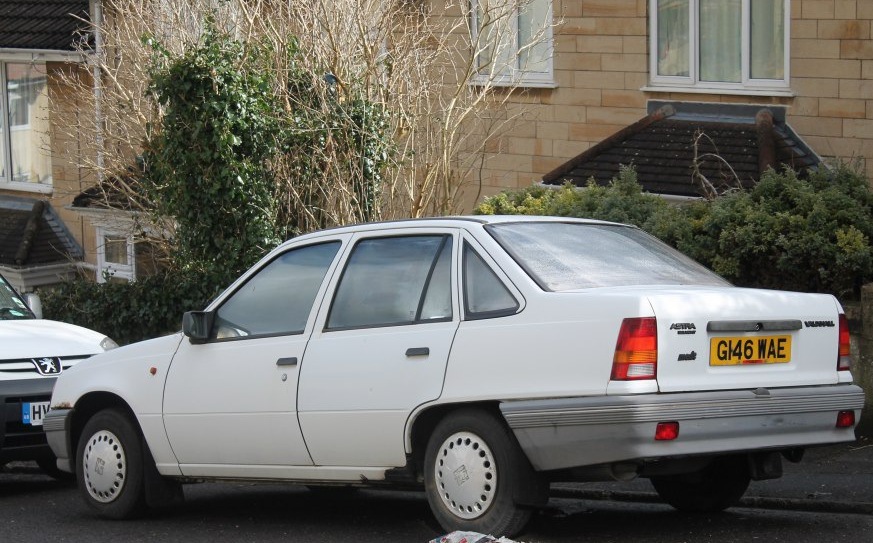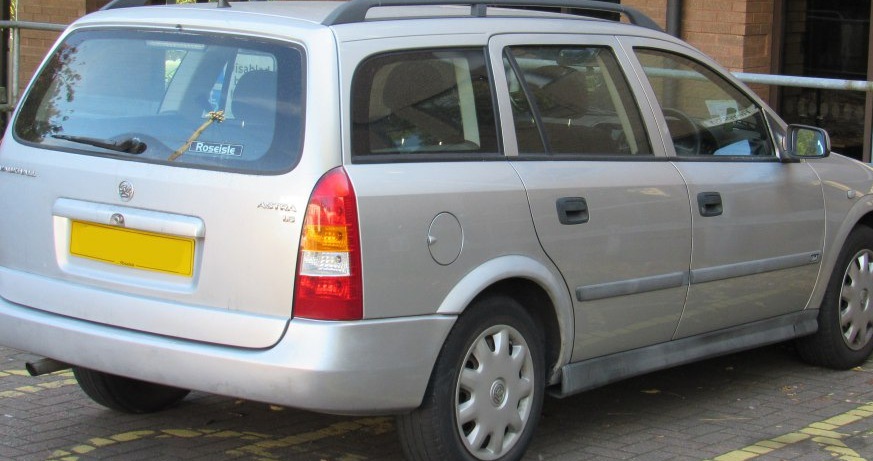
The Vauxhall Astra Mk IV Estate 1.7 DTI 16V, produced between 2000 and 2004, represented a practical and economical offering within the fourth generation (Mk IV) Astra range. Positioned as an entry-level diesel variant of the estate (station wagon) body style, it catered to buyers prioritizing fuel efficiency and load-carrying capacity over outright performance. This model was part of the G platform, also known as the 1HX0, shared with Opel, and served as a key competitor in the European compact estate market. The 1.7 DTI engine, while not the most powerful in the Astra lineup, provided a balance of usability and running costs, making it a popular choice for families and commercial users.
Technical Specifications
| Brand | Vauxhall |
| Model | Astra |
| Generation | Astra Mk IV Estate |
| Type (Engine) | 1.7 DTI 16V (75 Hp) |
| Start of production | 2000 |
| End of production | 2004 |
| Powertrain Architecture | Internal Combustion engine |
| Body type | Station wagon (estate) |
| Seats | 5 |
| Doors | 5 |
| Fuel consumption (urban) | 6.2 l/100 km (37.9 US mpg, 45.6 UK mpg, 16.1 km/l) |
| Fuel consumption (extra urban) | 4.1 l/100 km (57.4 US mpg, 68.9 UK mpg, 24.4 km/l) |
| Fuel consumption (combined) | 4.9 l/100 km (48 US mpg, 57.6 UK mpg, 20.4 km/l) |
| CO2 emissions | 132 g/km |
| Fuel Type | Diesel |
| Acceleration 0 – 100 km/h | 15 sec |
| Acceleration 0 – 62 mph | 15 sec |
| Acceleration 0 – 60 mph | 14.3 sec |
| Maximum speed | 169 km/h (105.01 mph) |
| Weight-to-power ratio | 16.3 kg/Hp, 61.5 Hp/tonne |
| Weight-to-torque ratio | 7.4 kg/Nm, 135.2 Nm/tonne |
| Power | 75 Hp @ 4400 rpm |
| Power per litre | 44.5 Hp/l |
| Torque | 165 Nm @ 1800 rpm (121.7 lb.-ft. @ 1800 rpm) |
| Engine layout | Front, Transverse |
| Engine Model/Code | Y17DT |
| Engine displacement | 1686 cm3 (102.89 cu. in.) |
| Number of cylinders | 4 |
| Engine configuration | Inline |
| Number of valves per cylinder | 4 |
| Fuel injection system | Direct injection |
| Engine aspiration | Turbocharger |
| Engine oil capacity | 4.5 l (4.76 US qt | 3.96 UK qt) |
| Coolant capacity | 7.1 l (7.5 US qt | 6.25 UK qt) |
| Kerb Weight | 1220 kg (2689.64 lbs.) |
| Max. weight | 1795 kg (3957.3 lbs.) |
| Max load | 575 kg (1267.66 lbs.) |
| Trunk (boot) space – minimum | 481 l (16.99 cu. ft.) |
| Fuel tank capacity | 52 l (13.74 US gal | 11.44 UK gal) |
| Length | 4290 mm (168.9 in.) |
| Width | 1709 mm (67.28 in.) |
| Height | 1511 mm (59.49 in.) |
| Wheelbase | 2611 mm (102.8 in.) |
| Front track | 1481 mm (58.31 in.) |
| Ride height (ground clearance) | 140 mm (5.51 in.) |
| Drag coefficient (Cd) | 0.32 |
| Drivetrain Architecture | The Internal combustion engine (ICE) drives the front wheels of the vehicle. |
| Drive wheel | Front wheel drive |
| Number of gears and type of gearbox | 5 gears, manual transmission |
| Front brakes | Ventilated discs |
| Rear brakes | Disc |
Powertrain & Engine Architecture
The heart of the Astra Mk IV Estate 1.7 DTI 16V is the Y17DT engine, a 1.7-liter inline-four cylinder diesel. This engine utilizes direct injection technology, a key feature for improving fuel efficiency and reducing emissions. The ‘16V’ designation indicates the four valves per cylinder, enhancing breathing and contributing to a broader torque curve. A turbocharger, though relatively small, provides a boost to power output, helping to overcome the inherent limitations of a small-displacement diesel. The engine’s design prioritized low-end torque, making it suitable for everyday driving and hauling loads. The five-speed manual transmission was the standard offering, chosen for its efficiency and cost-effectiveness. The Y17DT engine is known for its relatively simple construction, which contributes to its durability, but also limits its potential for high performance.
Driving Characteristics
The 1.7 DTI 16V equipped Astra Estate offered a decidedly utilitarian driving experience. With 75 horsepower and 165 Nm (121.7 lb-ft) of torque, acceleration was modest, taking around 15 seconds to reach 62 mph. However, the engine’s torque delivery from as low as 1800 rpm provided adequate pulling power for most situations, especially when carrying a load. The five-speed gearbox was well-matched to the engine’s characteristics, allowing drivers to keep the engine in its optimal power band. Compared to the more powerful petrol variants (like the 1.8 or 2.0 liter engines) or even the later 2.0 DTI diesel, the 1.7 DTI felt noticeably slower, particularly when overtaking. The focus was on economy and practicality rather than sporty handling.
Equipment & Trim Levels
The 1.7 DTI 16V typically represented the entry point into the Astra Estate range. Standard equipment generally included central locking, power steering, and an adjustable steering column. Interior trim was functional and durable, often featuring cloth upholstery. Air conditioning, alloy wheels, and upgraded audio systems were usually offered as optional extras. Trim levels varied slightly depending on the market, but the 1.7 DTI was generally positioned as a value-oriented option, prioritizing affordability over luxury features. Safety features were relatively basic for the time, typically including driver and passenger airbags and ABS brakes.
Chassis & Braking
The Astra Mk IV Estate utilized a MacPherson strut front suspension and a torsion beam rear suspension. This setup provided a reasonable balance between ride comfort and handling. The 1.7 DTI models typically featured smaller diameter wheels and tires compared to higher-spec variants. Braking was handled by ventilated discs on the front wheels and solid discs on the rear. The braking system was adequate for the vehicle’s weight and performance, but lacked the stopping power of larger brake setups found on more powerful Astra models. Stabilizer bars were fitted front and rear, contributing to reduced body roll during cornering.
Market Reception & Comparison
The Astra Mk IV Estate 1.7 DTI 16V was generally well-received as a practical and economical family vehicle. Critics praised its fuel efficiency and spacious interior, but noted its lack of outright performance. Compared to other diesel estates in its class, such as the Ford Focus Estate TDCi, the Astra offered a competitive level of equipment and running costs. The 1.7 DTI was often seen as a more sensible alternative to the more expensive and powerful 2.0 DTI, appealing to buyers who prioritized economy over performance. Fuel economy figures of around 48 US mpg combined were a significant selling point.
Legacy
The Y17DT engine, while not known for being particularly refined, proved to be relatively durable and reliable. Astra Mk IV Estates equipped with this engine continue to be found on the used car market today, often representing an affordable and practical transportation option. Maintenance costs are generally low, thanks to the engine’s simple design and the widespread availability of spare parts. However, potential buyers should be aware of the typical wear and tear associated with diesel engines, such as turbocharger issues and injector problems. The 1.7 DTI Astra Estate remains a testament to the enduring appeal of a practical, fuel-efficient, and affordable family vehicle.