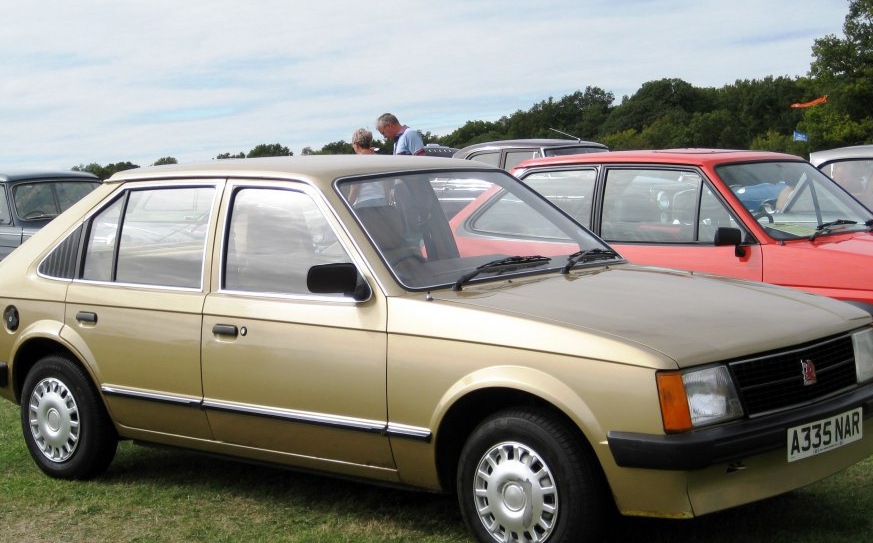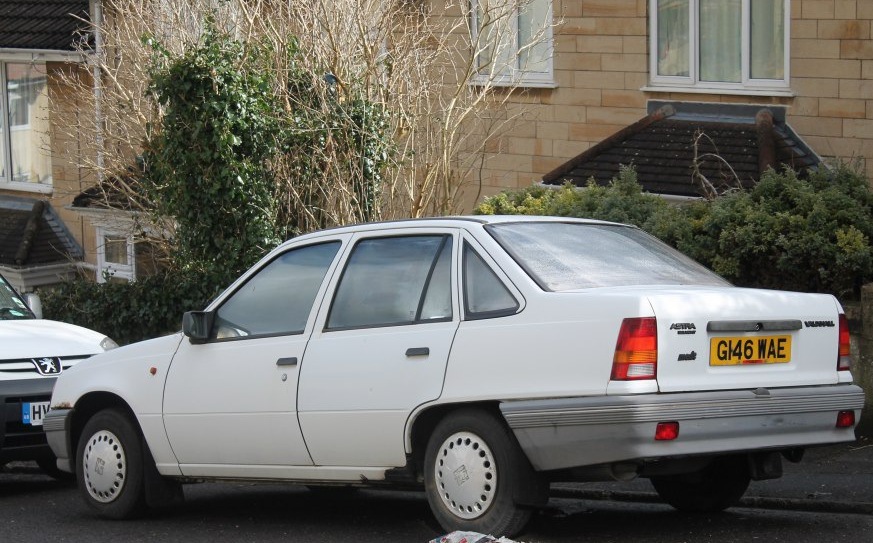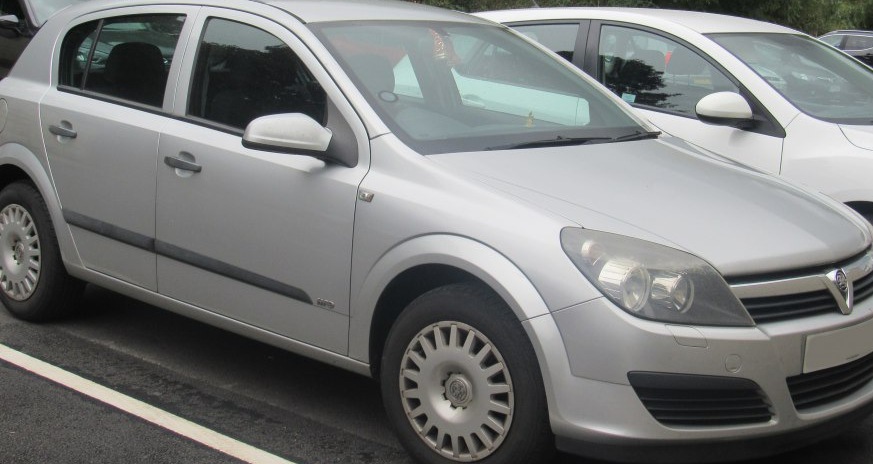
The Vauxhall Astra Mk V CC 1.8 VVT 16V, produced between 2004 and 2009, represented a significant iteration of Vauxhall’s popular compact hatchback. Part of the Mk V Astra range (designated as the H-series internally), the “CC” denoted the five-door coupé body style, offering a more streamlined silhouette than the traditional hatchback. This 1.8-liter variant, producing 140 horsepower, occupied a middle ground in the Astra lineup, positioned above the entry-level 1.4-liter models and below the more performance-oriented versions like the SRi and VXR. It aimed to balance affordability with a reasonable level of performance and equipment, appealing to a broad customer base seeking a practical and comfortable family car.
Technical Specifications
| Brand | Vauxhall |
| Model | Astra |
| Generation | Astra Mk V CC |
| Type (Engine) | 1.8 VVT 16V (140 Hp) |
| Start of production | 2004 |
| End of production | 2009 |
| Powertrain Architecture | Internal Combustion engine |
| Body type | Hatchback |
| Seats | 5 |
| Doors | 5 |
| Fuel consumption (urban) | 9.9 l/100 km (23.8 US mpg) |
| Fuel consumption (extra urban) | 5.8 l/100 km (40.6 US mpg) |
| Fuel consumption (combined) | 7.3 l/100 km (32.2 US mpg) |
| CO2 emissions | 175 g/km |
| Fuel Type | Petrol (Gasoline) |
| Acceleration 0 – 100 km/h | 9.5 sec |
| Acceleration 0 – 62 mph | 9.5 sec |
| Acceleration 0 – 60 mph | 9 sec |
| Maximum speed | 208 km/h (129.25 mph) |
| Weight-to-power ratio | 8.8 kg/Hp |
| Weight-to-torque ratio | 7 kg/Nm |
| Power | 140 Hp @ 6300 rpm |
| Torque | 175 Nm @ 3800 rpm (129.07 lb.-ft. @ 3800 rpm) |
| Engine layout | Front, Transverse |
| Engine Model/Code | Z18XER |
| Engine displacement | 1796 cm3 (109.6 cu. in.) |
| Number of cylinders | 4 |
| Engine configuration | Inline |
| Cylinder Bore | 80.5 mm (3.17 in.) |
| Piston Stroke | 88.2 mm (3.47 in.) |
| Compression ratio | 10.5:1 |
| Number of valves per cylinder | 4 |
| Fuel injection system | Multi-port manifold injection |
| Engine aspiration | Naturally aspirated |
| Engine oil capacity | 4.25 l (4.49 US qt | 3.74 UK qt) |
| Coolant capacity | 6.1 l (6.45 US qt | 5.37 UK qt) |
| Kerb Weight | 1226 kg (2702.87 lbs.) |
| Max. weight | 1990 kg (4387.2 lbs.) |
| Max load | 764 kg (1684.33 lbs.) |
| Trunk (boot) space – minimum | 350 l (12.36 cu. ft.) |
| Trunk (boot) space – maximum | 1270 l (44.85 cu. ft.) |
| Fuel tank capacity | 52 l (13.74 US gal | 11.44 UK gal) |
| Length | 4249 mm (167.28 in.) |
| Width | 1753 mm (69.02 in.) |
| Width including mirrors | 2033 mm (80.04 in.) |
| Height | 1467 mm (57.76 in.) |
| Wheelbase | 2614 mm (102.91 in.) |
| Front track | 1488 mm (58.58 in.) |
| Rear track | 1488 mm (58.58 in.) |
| Ride height (ground clearance) | 140 mm (5.51 in.) |
| Drag coefficient (Cd) | 0.32 |
| Drivetrain Architecture | Front wheel drive |
| Number of gears | 5 |
| Gearbox type | Manual transmission |
| Front brakes | Ventilated discs |
| Rear brakes | Disc |
| Tires size | 205/55 R16 |
| Wheel rims size | 16 |
Powertrain & Engine Architecture
The heart of this Astra variant was the Z18XER engine, an 1.8-liter inline-four cylinder petrol engine. This engine was a member of Vauxhall/Opel’s ‘Ecotec’ family, known for its relatively lightweight construction and focus on fuel efficiency. The ‘VVT’ in the name signifies Variable Valve Timing, a technology employed to optimize engine performance across the rev range. The Z18XER utilized a multi-port fuel injection system, delivering fuel directly into the intake ports, and a single overhead camshaft (SOHC) operating 16 valves. The engine produced 140 horsepower at 6300 rpm and 175 Nm (129 lb-ft) of torque at 3800 rpm. The engine was typically paired with a five-speed manual transmission, although a four-speed automatic option was also available, impacting performance and fuel economy. The automatic transmission, while offering convenience, generally resulted in slightly slower acceleration and increased fuel consumption compared to the manual counterpart.
Driving Characteristics
The 1.8-liter Astra Mk V CC with the five-speed manual transmission offered a reasonably engaging driving experience. Acceleration from 0-60 mph took around 9 seconds, making it competitive within its class. The engine felt responsive enough for everyday driving, with adequate power for overtaking maneuvers. The automatic transmission, while smooth, noticeably dulled the performance, extending the 0-60 mph time to around 9.5 seconds. Gear ratios were tuned for a balance between fuel economy and usability, with a relatively long fifth gear for comfortable cruising on motorways. The steering was light and precise, making the car easy to maneuver in urban environments. However, it lacked the sporty feel of the SRi models, which featured a stiffer suspension setup.
Equipment & Trim Levels
The 1.8 VVT 16V Astra Mk V CC typically came equipped with features such as air conditioning, electric front windows, a CD player, and central locking. Higher trim levels, such as the Life or Design, added features like alloy wheels, upgraded upholstery, and a multi-function steering wheel. Optional extras included a sunroof, parking sensors, and a more advanced audio system. Interior upholstery was generally cloth, with a focus on durability and practicality. The dashboard layout was functional and straightforward, prioritizing ease of use over stylistic flair.
Chassis & Braking
The Astra Mk V CC utilized a MacPherson strut front suspension and a torsion beam rear suspension. This setup provided a comfortable ride quality, although it wasn’t particularly sporty. Braking was handled by ventilated discs on the front wheels and solid discs on the rear. Anti-lock Braking System (ABS) was standard. The suspension was tuned to prioritize comfort and ride quality, making it well-suited for everyday driving. Stabilizer bars were fitted to both the front and rear axles to reduce body roll during cornering.
Market Reception & Comparison
The 1.8-liter Astra Mk V CC was generally well-received by automotive critics as a practical and affordable family car. It offered a good balance of performance, fuel economy, and equipment. Compared to the 1.4-liter models, the 1.8 provided a noticeable performance boost, making it more suitable for longer journeys and carrying passengers. However, it wasn’t as fuel-efficient as the diesel variants, such as the 1.9 CDTi. The automatic transmission was often criticized for its sluggishness and impact on fuel economy. Against competitors like the Ford Focus and Volkswagen Golf, the Astra offered a competitive package, although it often lagged behind in terms of perceived build quality and brand prestige.
Legacy
The Z18XER engine, while generally reliable, is known to be susceptible to oil consumption issues as it ages, particularly if not regularly serviced with quality oil. The timing chain is another potential weak point, and should be inspected periodically. The Astra Mk V CC 1.8 VVT 16V remains a relatively affordable used car option today. Its simplicity and relatively low running costs make it appealing to budget-conscious buyers. However, potential buyers should be aware of the potential for oil consumption and timing chain issues, and ensure that any prospective purchase has a full service history.