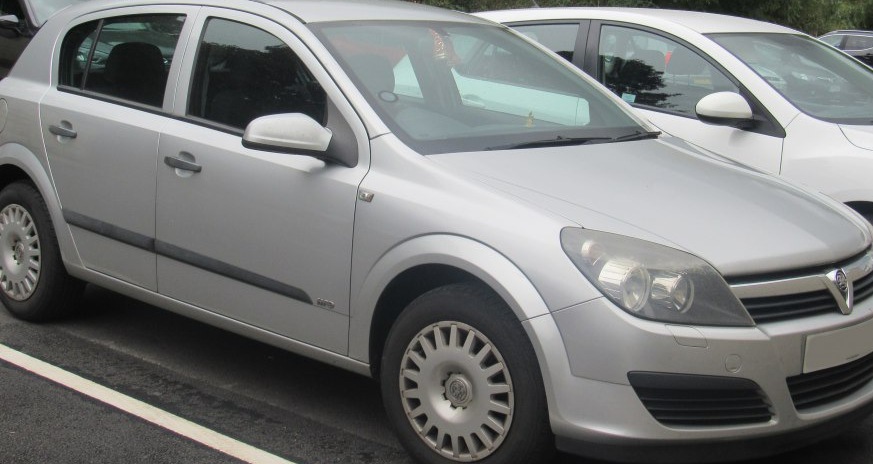
The Vauxhall Astra Mk V CC 1.9 CDTi Automatic, produced between 2004 and 2009, represented a practical and fuel-efficient option within the broader Astra Mk V range (2004-2009). Positioned as a mid-range offering, it combined a diesel engine with the convenience of an automatic transmission, appealing to drivers prioritizing economy and ease of use. The “CC” designation signifies the coupe cabriolet body style, offering open-air driving alongside the practicality of a hatchback. This variant was primarily sold in European markets, including the United Kingdom where Vauxhall is a prominent brand, and was a key competitor in the compact family car segment.
Technical Specifications
| Brand | Vauxhall |
| Model | Astra |
| Generation | Astra Mk V CC |
| Type (Engine) | 1.9 CDTi (120 Hp) Automatic |
| Start of production | 2004 |
| End of production | 2009 |
| Powertrain Architecture | Internal Combustion engine |
| Body type | Hatchback |
| Seats | 5 |
| Doors | 5 |
| Fuel consumption (urban) | 7.8 l/100 km (30.2 US mpg, 36.2 UK mpg, 12.8 km/l) |
| Fuel consumption (extra urban) | 5.2 l/100 km (45.2 US mpg, 54.3 UK mpg, 19.2 km/l) |
| Fuel consumption (combined) | 6 l/100 km (39.2 US mpg, 47.1 UK mpg, 16.7 km/l) |
| CO2 emissions | 163 g/km |
| Fuel Type | Diesel |
| Acceleration 0 – 100 km/h | 10.3 sec |
| Acceleration 0 – 62 mph | 10.3 sec |
| Acceleration 0 – 60 mph | 9.8 sec |
| Maximum speed | 190 km/h (118.06 mph) |
| Weight-to-power ratio | 11.3 kg/Hp, 88.2 Hp/tonne |
| Weight-to-torque ratio | 4.9 kg/Nm, 205.1 Nm/tonne |
| Power | 120 Hp @ 3500 rpm |
| Power per litre | 62.8 Hp/l |
| Torque | 279 Nm @ 2375 rpm (205.78 lb.-ft. @ 2375 rpm) |
| Engine layout | Front, Transverse |
| Engine Model/Code | Z19DT |
| Engine displacement | 1910 cm3 (116.56 cu. in.) |
| Number of cylinders | 4 |
| Engine configuration | Inline |
| Cylinder Bore | 82 mm (3.23 in.) |
| Piston Stroke | 90.4 mm (3.56 in.) |
| Compression ratio | 17.5:1 |
| Number of valves per cylinder | 2 |
| Fuel injection system | Diesel Commonrail |
| Engine aspiration | Turbocharger, Intercooler |
| Engine oil capacity | 4.3 l (4.54 US qt | 3.78 UK qt) |
| Coolant | 7 l (7.4 US qt | 6.16 UK qt) |
| Kerb Weight | 1360 kg (2998.29 lbs.) |
| Max. weight | 1900 kg (4188.78 lbs.) |
| Max load | 540 kg (1190.5 lbs.) |
| Trunk (boot) space – minimum | 350 l (12.36 cu. ft.) |
| Trunk (boot) space – maximum | 1270 l (44.85 cu. ft.) |
| Fuel tank capacity | 52 l (13.74 US gal | 11.44 UK gal) |
| Length | 4249 mm (167.28 in.) |
| Width | 1753 mm (69.02 in.) |
| Width including mirrors | 2033 mm (80.04 in.) |
| Height | 1467 mm (57.76 in.) |
| Wheelbase | 2614 mm (102.91 in.) |
| Front track | 1488 mm (58.58 in.) |
| Rear (Back) track | 1488 mm (58.58 in.) |
| Ride height (ground clearance) | 140 mm (5.51 in.) |
| Drag coefficient (Cd) | 0.32 |
| Drivetrain Architecture | The Internal combustion engine (ICE) drives the front wheels of the vehicle. |
| Drive wheel | Front wheel drive |
| Number of gears and type of gearbox | 6 gears, automatic transmission |
| Front brakes | Ventilated discs |
| Rear brakes | Disc |
| Tires size | 205/55 R16 |
| Wheel rims size | 16 |
Powertrain & Engine Architecture
The heart of this Astra variant is the Z19DT, a 1.9-liter inline-four cylinder diesel engine. This engine was a mainstay in many Vauxhall/Opel models during the mid-2000s. It utilizes a common rail direct injection system, delivering fuel directly into the combustion chamber at extremely high pressure for improved efficiency and reduced emissions. The engine is turbocharged and intercooled, boosting power output to 120 horsepower and 279 Nm (205.78 lb-ft) of torque. The automatic transmission is a six-speed unit, designed to balance fuel economy with acceptable performance. While not known for its particularly rapid shifts, it provided a smoother driving experience than the available manual transmission for many drivers. The engine’s valvetrain features two valves per cylinder, a relatively simple design contributing to its robustness.
Driving Characteristics
The 1.9 CDTi Automatic Astra Mk V CC offered a comfortable and relaxed driving experience. The 120 hp output, while not sporty, was adequate for everyday driving and highway cruising. Acceleration from 0-60 mph took around 9.8 seconds, making it competitive with other diesel-powered hatchbacks of the time. The automatic transmission, while smooth, did impact performance slightly compared to the manual versions. Gear ratios were tuned for fuel efficiency, meaning the engine could feel somewhat strained when accelerating quickly or climbing hills. The torque, however, was readily available from low engine speeds, providing good responsiveness in typical driving situations. The suspension was tuned for comfort, resulting in a compliant ride, although it wasn’t particularly engaging for enthusiastic drivers.
Equipment & Trim Levels
The 1.9 CDTi Automatic trim typically included features such as air conditioning, electric front windows, a CD player, and alloy wheels. Safety features included ABS brakes, front airbags, and seatbelt pretensioners. Optional extras included parking sensors, upgraded audio systems, and leather upholstery. Interior upholstery was generally cloth, with a functional and durable design. The dashboard layout was typical of the Mk V Astra, with a straightforward and easy-to-use interface. Higher trim levels offered additional features like climate control and more premium interior materials.
Chassis & Braking
The Astra Mk V CC utilized a MacPherson strut front suspension and a torsion beam rear suspension. This setup provided a good balance between ride comfort and handling. Braking duties were handled by ventilated discs at the front and solid discs at the rear. The braking system was adequate for the vehicle’s weight and performance, providing reliable stopping power in most conditions. Stabilizer bars were fitted to both the front and rear axles to reduce body roll during cornering.
Market Reception & Comparison
The Astra Mk V CC 1.9 CDTi Automatic was generally well-received by automotive critics as a practical and economical choice. It was praised for its fuel efficiency and comfortable ride. However, some reviewers noted that the automatic transmission could feel sluggish at times, and the engine lacked the outright performance of some of its rivals. Compared to the 1.8-liter petrol versions, the 1.9 CDTi offered significantly better fuel economy and more torque, making it a more sensible choice for drivers covering long distances. Compared to the more powerful 2.0-liter CDTi models, the 1.9 CDTi was more affordable and offered lower running costs, but at the expense of performance.
Legacy
The Z19DT engine, while generally reliable, is known to require regular maintenance, particularly regarding the diesel particulate filter (DPF) and turbocharger. The automatic transmission, if properly maintained with regular fluid changes, is also reasonably durable. Today, the Astra Mk V CC 1.9 CDTi Automatic can be found on the used car market at relatively affordable prices. It remains a popular choice for drivers seeking a practical, economical, and comfortable hatchback. Its reputation for reliability, combined with its fuel efficiency, ensures it continues to hold its value as a dependable used car option.