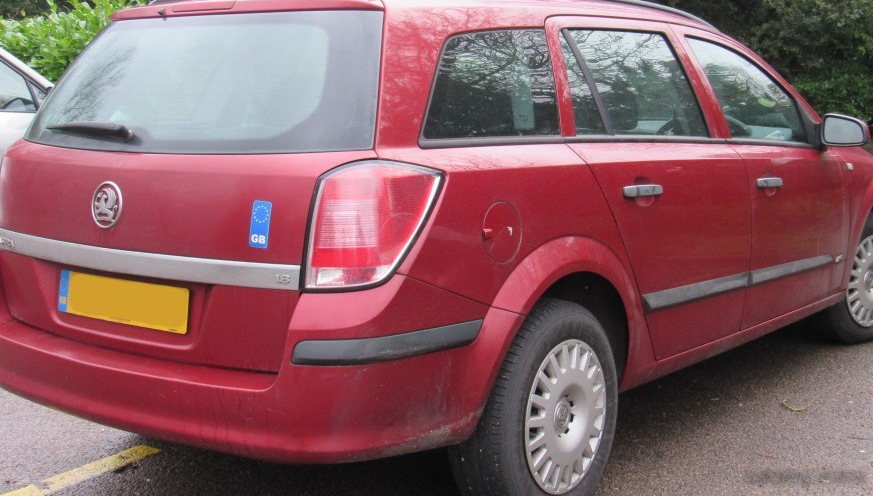
The Vauxhall Astra Mk V Estate 2.0, produced from 2004 to 2011, represented a performance-oriented variant within the broader Astra Mk V (H) estate range. Positioned as a more engaging option, it catered to drivers seeking a blend of practicality and spirited driving. This model, built on the GM Delta platform, offered a larger cargo capacity than the hatchback while providing a more dynamic driving experience than the lower-powered engine options. The 2.0-liter turbocharged engine was a key differentiator, elevating the estate beyond its typical family car role.
Technical Specifications
| Brand | Vauxhall |
| Model | Astra |
| Generation | Astra Mk V Estate |
| Type (Engine) | 2.0 (200 Hp) |
| Start of production | 2004 |
| End of production | 2011 |
| Powertrain Architecture | Internal Combustion engine |
| Body type | Station wagon (estate) |
| Seats | 5 |
| Doors | 5 |
| Fuel consumption (economy) – urban | 13.2 l/100 km (17.8 US mpg, 21.4 UK mpg, 7.6 km/l) |
| Fuel consumption (economy) – extra urban | 7.2 l/100 km (32.7 US mpg, 39.2 UK mpg, 13.9 km/l) |
| Fuel consumption (economy) – combined | 9.4 l/100 km (25 US mpg, 30.1 UK mpg, 10.6 km/l) |
| CO2 emissions | 226 g/km |
| Fuel Type | Petrol (Gasoline) |
| Acceleration 0 – 100 km/h | 7.9 sec |
| Acceleration 0 – 62 mph | 7.9 sec |
| Acceleration 0 – 60 mph | 7.5 sec |
| Maximum speed | 230 km/h (142.92 mph) |
| Weight-to-power ratio | 7.3 kg/Hp, 136.7 Hp/tonne |
| Weight-to-torque ratio | 5.6 kg/Nm, 179.1 Nm/tonne |
| Power | 200 Hp @ 5400 rpm |
| Power per litre | 100.1 Hp/l |
| Torque | 262 Nm @ 4200 rpm (193.24 lb.-ft. @ 4200 rpm) |
| Engine layout | Front, Transverse |
| Engine Model/Code | Z20LER |
| Engine displacement | 1998 cm3 (121.93 cu. in.) |
| Number of cylinders | 4 |
| Engine configuration | Inline |
| Fuel injection system | Multi-port manifold injection |
| Engine aspiration | Turbocharger, Intercooler |
| Engine oil capacity | 4.3 l (4.54 US qt, 3.78 UK qt) |
| Coolant | 7.7 l (8.14 US qt, 6.78 UK qt) |
| Kerb Weight | 1463 kg (3225.36 lbs) |
| Max. weight | 1950 kg (4299.01 lbs) |
| Max load | 487 kg (1073.65 lbs) |
| Trunk (boot) space – minimum | 500 l (17.66 cu. ft.) |
| Fuel tank capacity | 52 l (13.74 US gal, 11.44 UK gal) |
| Length | 4515 mm (177.76 in) |
| Width | 1753 mm (69.02 in) |
| Width including mirrors | 2033 mm (80.04 in) |
| Height | 1496 mm (58.9 in) |
| Wheelbase | 2703 mm (106.42 in) |
| Front track | 1488 mm (58.58 in) |
| Rear (Back) track | 1488 mm (58.58 in) |
| Front overhang | 871 mm (34.29 in) |
| Rear overhang | 941 mm (37.05 in) |
| Ride height (ground clearance) | 140 mm (5.51 in) |
| Drag coefficient (Cd) | 0.32 |
| Drivetrain Architecture | The Internal combustion engine (ICE) drives the front wheels of the vehicle. |
| Drive wheel | Front wheel drive |
| Number of gears and type of gearbox | 6 gears, manual transmission |
| Front brakes | Ventilated discs |
| Rear brakes | Disc |
| Tires size | 215/45 R17 |
| Wheel rims size | 17 |
Powertrain & Engine Architecture
The heart of the Astra Mk V Estate 2.0 was the Z20LER engine, a 1.998-liter inline-four cylinder gasoline engine. This engine featured a low-pressure turbocharger with an intercooler, boosting power output to 200 horsepower at 5400 rpm and 262 Nm (193 lb-ft) of torque at 4200 rpm. The engine utilized multi-port fuel injection and a dual overhead camshaft (DOHC) valvetrain. The Z20LER was part of the GM/Opel Ecotec family, known for its relatively lightweight construction and decent efficiency. The engine was paired exclusively with a six-speed manual transmission, providing precise control and enhancing the driving experience. This transmission was chosen to handle the increased torque output and deliver a more engaging feel compared to the available automatic options in other Astra trims.
Driving Characteristics
The 2.0-liter turbocharged engine transformed the driving experience of the Astra Estate. Acceleration from 0 to 60 mph was achieved in approximately 7.5 seconds, making it noticeably quicker than the base models. The turbocharger provided a surge of power in the mid-range, offering strong acceleration for overtaking and merging. The six-speed manual transmission allowed drivers to keep the engine in its optimal power band. While not a dedicated sports wagon, the 2.0-liter version offered a satisfying level of performance for everyday driving and longer journeys. The suspension was tuned to provide a balance between comfort and handling, offering a reasonably composed ride even when loaded with cargo. Compared to the 1.8-liter non-turbo variants, the 2.0 offered a significantly more responsive and enjoyable driving experience.
Equipment & Trim Levels
The 2.0-liter Astra Estate typically came with a higher level of standard equipment than the lower-spec models. Standard features often included air conditioning, alloy wheels (typically 17-inch), a CD stereo system, electric front windows, and ABS brakes. Higher trim levels, such as the SRi, added features like sports seats, upgraded interior trim, and fog lights. Optional extras included a sunroof, parking sensors, and a more advanced audio system. The interior generally featured a dark color scheme with cloth upholstery, although leather options were sometimes available. The dashboard layout was functional and straightforward, prioritizing usability over outright luxury.
Chassis & Braking
The Astra Mk V Estate utilized a MacPherson strut front suspension and a multi-link rear suspension. The 2.0-liter models often featured a slightly stiffer suspension setup compared to the lower-powered variants to improve handling. Braking duties were handled by ventilated discs on the front wheels and solid discs on the rear. ABS was standard, providing enhanced braking control. The steering was hydraulically assisted, offering a reasonable level of feel and precision. The chassis was designed to provide a good balance between ride comfort and handling, making it suitable for both everyday driving and occasional spirited runs.
Market Reception & Comparison
The Astra Mk V Estate 2.0 received generally positive reviews from automotive critics. It was praised for its strong performance, spacious interior, and practical estate car body style. However, some critics noted that the interior quality wasn’t quite as refined as some of its rivals, such as the Ford Focus Estate. Fuel economy, while acceptable, wasn’t exceptional for a 2.0-liter turbocharged engine. Compared to the 1.8-liter models, the 2.0 offered a significant performance upgrade but came with a higher price tag and slightly increased running costs. The 1.9 CDTi diesel variants offered better fuel economy but lacked the outright performance of the 2.0-liter petrol.
Legacy
The Z20LER engine, while generally reliable, is known to require regular maintenance, particularly regarding oil changes. Turbocharger failure can occur if the engine is not properly maintained. Today, the Astra Mk V Estate 2.0 represents an affordable and practical option in the used car market. Its combination of performance, space, and practicality makes it a popular choice for those seeking a versatile family vehicle. While not a collector’s item, well-maintained examples are becoming increasingly sought after by enthusiasts who appreciate its blend of performance and everyday usability. The 2.0-liter variant remains a standout model within the Mk V Astra Estate range, offering a more engaging driving experience than its more pedestrian siblings.