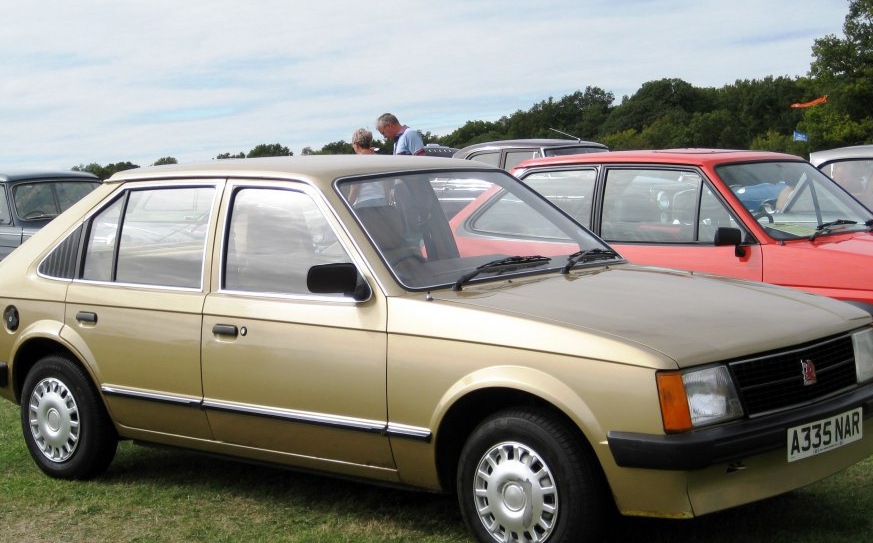
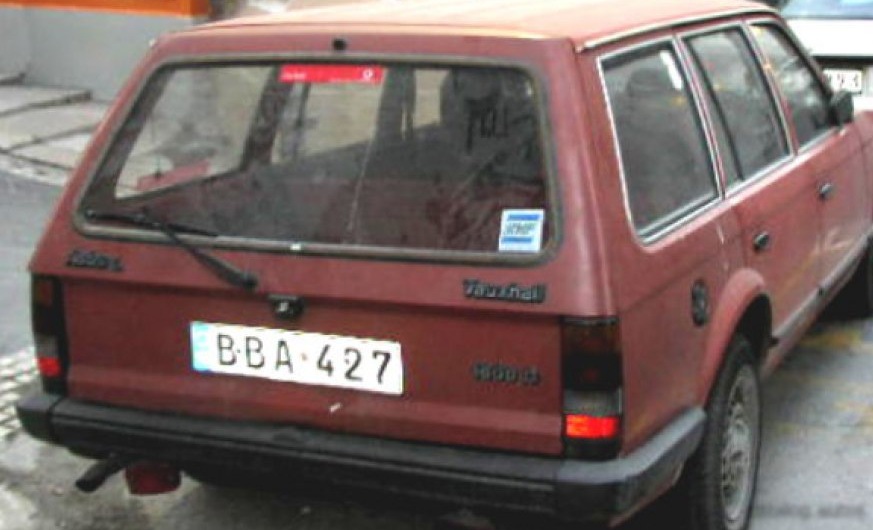
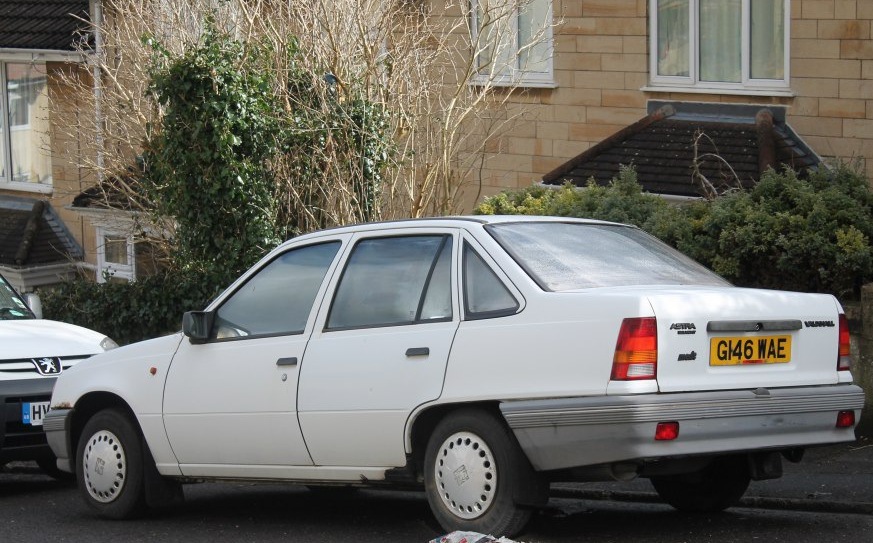
The Vauxhall Astra Mk VI Sports Tourer 1.4 VVT (100 hp) was a station wagon variant produced between 2010 and 2015, forming part of the J-series Astra range (designated as the Mk VI in the UK). Positioned as an entry-level to mid-range offering within the Sports Tourer lineup, it aimed to provide practicality and reasonable fuel economy for families and individuals needing versatile cargo space. This model was a key component of Vauxhall’s strategy to compete in the European compact estate market, offering a more affordable alternative to higher-powered or more luxurious trims.
Technical Specifications
| Brand | Vauxhall |
| Model | Astra |
| Generation | Astra Mk VI Sports Tourer |
| Type (Engine) | 1.4 VVT (100 Hp) |
| Start of production | 2010 |
| End of production | 2015 |
| Powertrain Architecture | Internal Combustion engine |
| Body type | Station wagon (estate) |
| Seats | 5 |
| Doors | 5 |
| Fuel consumption (urban) | 7.6 l/100 km (30.9 US mpg, 37.2 UK mpg, 13.2 km/l) |
| Fuel consumption (extra urban) | 4.9 l/100 km (48 US mpg, 57.6 UK mpg, 20.4 km/l) |
| Fuel consumption (combined) | 5.9 l/100 km (39.9 US mpg, 47.9 UK mpg, 16.9 km/l) |
| CO2 emissions | 139 g/km |
| Fuel Type | Petrol (Gasoline) |
| Acceleration 0 – 100 km/h | 14.5 sec |
| Acceleration 0 – 62 mph | 14.5 sec |
| Acceleration 0 – 60 mph | 13.8 sec |
| Maximum speed | 175 km/h (108.74 mph) |
| Weight-to-power ratio | 13.9 kg/Hp, 71.8 Hp/tonne |
| Weight-to-torque ratio | 7 kg/Nm, 143.6 Nm/tonne |
| Power | 100 Hp @ 6000 rpm |
| Power per litre | 71.5 Hp/l |
| Torque | 200 Nm @ 1850-4900 rpm (147.51 lb.-ft. @ 1850-4900 rpm) |
| Engine layout | Front, Transverse |
| Engine Model/Code | A14XER |
| Engine displacement | 1398 cm3 (85.31 cu. in.) |
| Number of cylinders | 4 |
| Engine configuration | Inline |
| Cylinder Bore | 73.4 mm (2.89 in.) |
| Piston Stroke | 82.6 mm (3.25 in.) |
| Compression ratio | 10.5:1 |
| Number of valves per cylinder | 4 |
| Fuel injection system | Direct injection |
| Engine aspiration | Naturally aspirated engine |
| Valvetrain | DOHC |
| Engine oil capacity | 3.75 l (3.96 US qt | 3.3 UK qt) |
| Coolant | 6.2 l (6.55 US qt | 5.46 UK qt) |
| Kerb Weight | 1393 kg (3071.04 lbs.) |
| Max. weight | 1960 kg (4321.06 lbs.) |
| Max load | 567 kg (1250.02 lbs.) |
| Trunk (boot) space – minimum | 550 l (19.42 cu. ft.) |
| Trunk (boot) space – maximum | 1550 l (54.74 cu. ft.) |
| Fuel tank capacity | 56 l (14.79 US gal | 12.32 UK gal) |
| Length | 4698 mm (184.96 in.) |
| Width | 1814 mm (71.42 in.) |
| Width including mirrors | 2013 mm (79.25 in.) |
| Height | 1535 mm (60.43 in.) |
| Wheelbase | 2685 mm (105.71 in.) |
| Front track | 1544 mm (60.79 in.) |
| Rear (Back) track | 1558 mm (61.34 in.) |
| Ride height (ground clearance) | 117 mm (4.61 in.) |
| Drag coefficient (Cd) | 0.33 |
| Drivetrain Architecture | The Internal combustion engine (ICE) drives the front wheels of the vehicle. |
| Drive wheel | Front wheel drive |
| Number of gears and type of gearbox | 5 gears, manual transmission |
| Front brakes | Ventilated discs |
| Rear brakes | Disc |
| Assisting systems | ABS (Anti-lock braking system) |
| Steering type | Steering rack and pinion |
| Power steering | Electric Steering |
| Tires size | 215/50 R17 |
| Wheel rims size | 17 |
Powertrain & Engine Architecture
The Astra Mk VI Sports Tourer 1.4 VVT utilized the A14XER engine code, a 1.4-liter inline-four cylinder petrol engine. This engine featured direct fuel injection, a double overhead camshaft (DOHC) valvetrain, and variable valve timing (VVT) on both the intake and exhaust camshafts. The VVT system allowed for optimized engine performance and fuel efficiency across a wider range of engine speeds. The engine produced 100 horsepower at 6000 rpm and 200 Nm (147.51 lb-ft) of torque between 1850 and 4900 rpm. The engine’s relatively small displacement and naturally aspirated design meant it wasn’t focused on outright speed, but rather on providing adequate power for everyday driving. The engine was paired with a five-speed manual transmission, delivering power to the front wheels.
Driving Characteristics
The 1.4 VVT engine, coupled with the five-speed manual gearbox, provided a fairly relaxed driving experience. Acceleration was modest, with a 0-60 mph time of around 13.8 seconds. The engine felt most comfortable in the mid-range, offering sufficient power for overtaking and highway cruising, though it required downshifting for quicker acceleration. Compared to the more powerful 1.6-liter or diesel variants, the 1.4 VVT felt noticeably less responsive. However, its lighter weight and efficient engine contributed to better fuel economy. The gear ratios were spaced to prioritize fuel efficiency over sporty performance, making it a suitable choice for drivers prioritizing economy and comfort.
Equipment & Trim Levels
The 1.4 VVT Sports Tourer typically came with a reasonable level of standard equipment. This included air conditioning, electric front windows, a CD/radio system, and ABS brakes. Higher trim levels, such as the ‘Excite’ or ‘SE’ offered additional features like alloy wheels, cruise control, and upgraded interior trim. Interior upholstery was typically cloth, with a functional and durable design. Optional extras included parking sensors, a panoramic sunroof, and a more advanced infotainment system.
Chassis & Braking
The Astra Mk VI Sports Tourer featured a MacPherson strut front suspension and a torsion beam rear suspension. The torsion beam setup was a cost-effective solution for the rear, providing adequate ride comfort for everyday use. Braking was handled by ventilated discs on the front wheels and solid discs on the rear. ABS (Anti-lock Braking System) was standard, enhancing safety during emergency braking situations. The suspension was tuned for comfort rather than sporty handling, providing a stable and predictable ride.
Market Reception & Comparison
The 1.4 VVT Sports Tourer was generally well-received as a practical and affordable estate car. Critics praised its fuel economy and spacious interior, but noted its lack of outright performance. Compared to the 1.6-liter petrol or 1.7/2.0-liter diesel variants, the 1.4 VVT offered lower running costs but less power. The diesel models, in particular, provided significantly better fuel economy and torque, making them more suitable for long-distance driving or towing. However, the 1.4 VVT appealed to buyers who prioritized affordability and fuel efficiency over performance.
Legacy
The A14XER engine, while not known for being particularly groundbreaking, proved to be a relatively reliable unit when properly maintained. Common issues included occasional oil leaks and potential problems with the electronic throttle body. In the used car market, the 1.4 VVT Sports Tourer remains an affordable option for those seeking a practical and economical estate car. Its relatively simple mechanical design makes it easier and cheaper to maintain compared to more complex modern vehicles. While it may not offer the excitement of higher-performance variants, it continues to provide a dependable and versatile transportation solution.