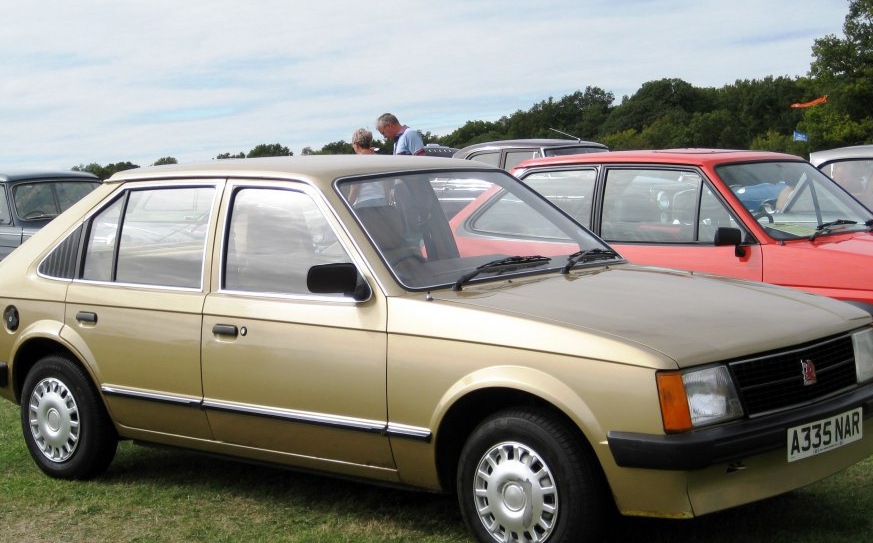
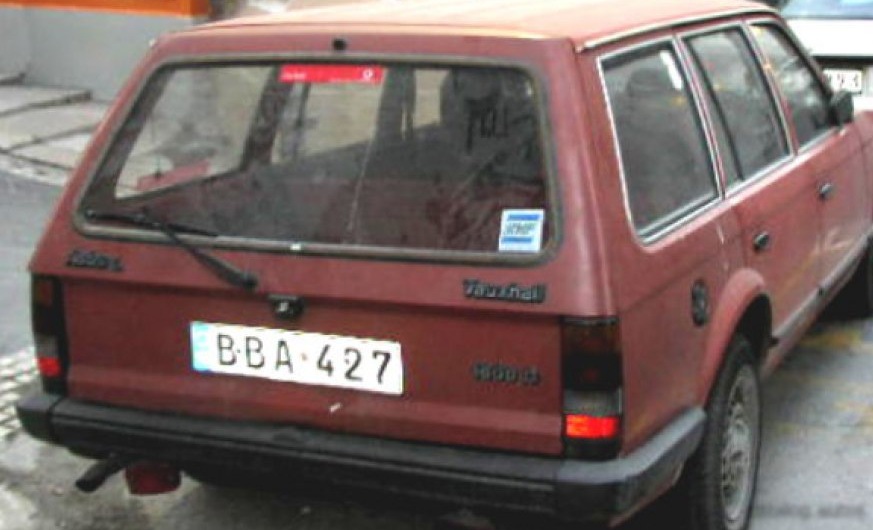
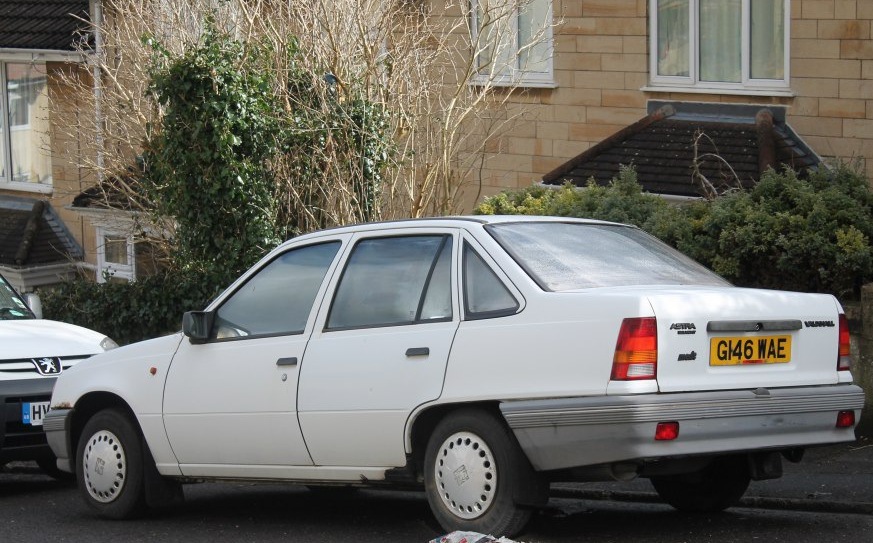
The Vauxhall Astra Mk VI Sports Tourer 2.0 CDTI, produced from 2010 to 2015, represented a practical and efficient offering within the Astra J (Mk VI) range. Positioned as a mid-to-high trim level, this variant combined the versatility of a station wagon body style with a potent 2.0-liter turbocharged diesel engine. It was primarily marketed in Europe as a family vehicle offering a balance between fuel economy, performance, and cargo capacity. The Sports Tourer body style, essentially the estate version of the Astra, aimed to compete with rivals like the Ford Focus Estate and Volkswagen Golf Variant.
Technical Specifications
| Brand | Vauxhall |
| Model | Astra |
| Generation | Astra Mk VI Sports Tourer |
| Type (Engine) | 2.0 CDTI (160 Hp) |
| Start of production | 2010 |
| End of production | 2015 |
| Powertrain Architecture | Internal Combustion engine |
| Body type | Station wagon (estate) |
| Seats | 5 |
| Doors | 5 |
| Fuel consumption (urban) | 6.5 l/100 km (36.2 US mpg, 43.5 UK mpg, 15.4 km/l) |
| Fuel consumption (extra urban) | 4.2 l/100 km (56 US mpg, 67.3 UK mpg, 23.8 km/l) |
| Fuel consumption (combined) | 5.1 l/100 km (46.1 US mpg, 55.4 UK mpg, 19.6 km/l) |
| CO2 emissions | 134 g/km |
| Fuel Type | Diesel |
| Acceleration 0 – 100 km/h | 9.5 sec |
| Acceleration 0 – 62 mph | 9.5 sec |
| Acceleration 0 – 60 mph | 9 sec |
| Maximum speed | 212 km/h (131.73 mph) |
| Weight-to-power ratio | 8.7 kg/Hp, 114.9 Hp/tonne |
| Weight-to-torque ratio | 4 kg/Nm, 251.3 Nm/tonne |
| Power | 160 Hp @ 4000 rpm |
| Power per litre | 81.8 Hp/l |
| Torque | 350 Nm @ 1750 rpm (258.15 lb.-ft. @ 1750 rpm) |
| Engine layout | Front, Transverse |
| Engine Model/Code | A20DTH |
| Engine displacement | 1956 cm3 (119.36 cu. in.) |
| Number of cylinders | 4 |
| Engine configuration | Inline |
| Cylinder Bore | 83 mm (3.27 in.) |
| Piston Stroke | 90.4 mm (3.56 in.) |
| Compression ratio | 18:1 |
| Number of valves per cylinder | 4 |
| Fuel injection system | Diesel Commonrail |
| Engine aspiration | Turbocharger, Intercooler |
| Valvetrain | OHC |
| Engine oil capacity | 4.5 l (4.76 US qt | 3.96 UK qt) |
| Coolant | 6.9 l (7.29 US qt | 6.07 UK qt) |
| Kerb Weight | 1393 kg (3071.04 lbs.) |
| Max. weight | 1960 kg (4321.06 lbs.) |
| Max load | 567 kg (1250.02 lbs.) |
| Trunk (boot) space – minimum | 550 l (19.42 cu. ft.) |
| Trunk (boot) space – maximum | 1550 l (54.74 cu. ft.) |
| Fuel tank capacity | 56 l (14.79 US gal | 12.32 UK gal) |
| Length | 4698 mm (184.96 in.) |
| Width | 1814 mm (71.42 in.) |
| Width including mirrors | 2013 mm (79.25 in.) |
| Height | 1535 mm (60.43 in.) |
| Wheelbase | 2685 mm (105.71 in.) |
| Front track | 1544 mm (60.79 in.) |
| Rear (Back) track | 1558 mm (61.34 in.) |
| Ride height (ground clearance) | 117 mm (4.61 in.) |
| Drag coefficient (Cd) | 0.33 |
| Drivetrain Architecture | ICE, Front wheel drive |
| Drive wheel | Front wheel drive |
| Number of gears and type of gearbox | 6 gears, manual transmission |
| Front brakes | Ventilated discs |
| Rear brakes | Disc |
| Assisting systems | ABS (Anti-lock braking system) |
| Steering type | Steering rack and pinion |
| Power steering | Electric Steering |
| Tires size | 215/50 R17 |
| Wheel rims size | 17 |
Powertrain & Engine Architecture
The heart of this Astra Sports Tourer is the A20DTH engine, a 2.0-liter inline-four cylinder diesel. This engine is a member of the GM/Fiat family of common rail direct injection diesels. It features a turbocharger with an intercooler to boost power and efficiency. The A20DTH utilizes a sophisticated common rail diesel injection system, delivering fuel at extremely high pressures for optimized combustion. The engine also incorporates four valves per cylinder and an overhead camshaft (OHC) configuration. The 6-speed manual transmission was the standard offering, providing a good balance between fuel economy and driver control. The engine’s torque curve is relatively flat, providing good pulling power across a wide range of engine speeds.
Driving Characteristics
The 160 horsepower and 350 Nm (258 lb-ft) of torque provided by the 2.0 CDTI engine delivered respectable performance for a family estate. Acceleration from 0-60 mph took around 9 seconds, and it offered a comfortable cruising speed on motorways. Compared to the lower-powered 1.3 CDTI variants, the 2.0 CDTI offered significantly more punch, especially when fully loaded or tackling inclines. While not a sports car, the Astra Sports Tourer 2.0 CDTI provided a confident and capable driving experience. The manual transmission allowed for precise gear selection, and the relatively long gearing contributed to good fuel economy at highway speeds. The 6-speed gearbox was well-matched to the engine’s powerband, offering smooth shifts and responsive acceleration.
Equipment & Trim Levels
The Astra Sports Tourer 2.0 CDTI typically came with a good level of standard equipment. This included air conditioning, electric front windows, a CD/radio system, alloy wheels, and ABS brakes. Higher trim levels, such as SE, Tech Line, and Elite, added features like automatic climate control, parking sensors, a touchscreen infotainment system, and leather upholstery. Optional extras included a panoramic sunroof, heated seats, and a navigation system. Interior upholstery was typically cloth on lower trims, with leather options available on higher-spec models. The dashboard layout was functional and well-designed, with clear instrumentation and intuitive controls.
Chassis & Braking
The Astra Mk VI Sports Tourer utilized a MacPherson strut front suspension and a multi-link rear suspension. This setup provided a good balance between ride comfort and handling. The front brakes were ventilated discs, while the rear brakes were solid discs. ABS (Anti-lock Braking System) was standard, enhancing safety and stability during braking. The steering was electrically assisted, providing a light and precise feel. Stabilizer bars were fitted to both the front and rear axles to reduce body roll during cornering.
Market Reception & Comparison
The Astra Sports Tourer 2.0 CDTI was generally well-received by automotive critics. It was praised for its fuel efficiency, spacious interior, and comfortable ride. However, some reviewers noted that the interior materials weren’t as premium as those found in some rival models. Compared to the 1.3 CDTI variants, the 2.0 CDTI offered a significant performance upgrade, but at a higher price point. It also offered better fuel economy and lower emissions than the petrol-powered Astra models. The Astra Sports Tourer competed directly with the Ford Focus Estate, Volkswagen Golf Variant, and Skoda Octavia Estate.
Legacy
The A20DTH engine, while generally reliable, is known to have potential issues with the diesel particulate filter (DPF) and the turbocharger, particularly if not properly maintained. Regular servicing and the use of quality diesel fuel are crucial for ensuring long-term reliability. Today, the Astra Mk VI Sports Tourer 2.0 CDTI represents a good value proposition on the used car market. It offers a practical and efficient solution for families needing a spacious and versatile vehicle. Its relatively simple mechanicals and readily available parts make it a relatively affordable car to maintain, provided potential DPF and turbocharger issues are addressed proactively.