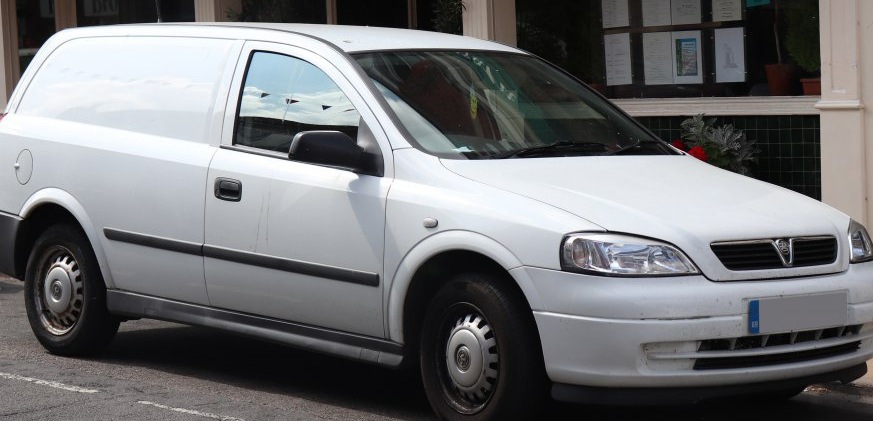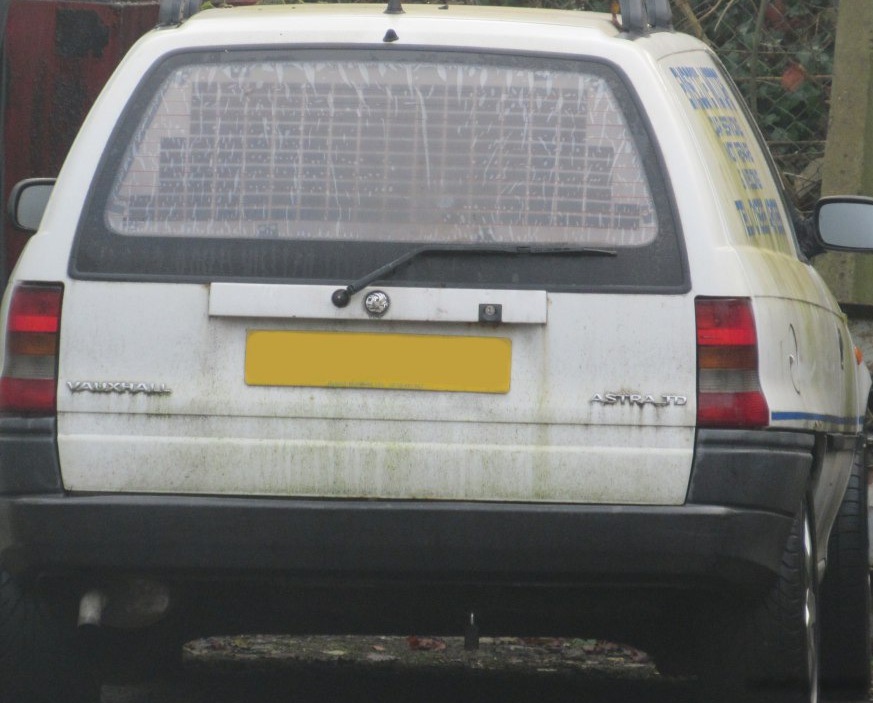
The Vauxhall Astravan Mk III 1.6i, produced between 1994 and 1996, represented a utilitarian offering within the broader Astravan Mk III range. Based on the G platform (internally designated as the 1HX0), the Astravan was essentially the commercial vehicle derivative of the Astra hatchback and estate, designed for light commercial duties. This 1.6i variant, equipped with a naturally aspirated engine producing 71 horsepower, served as the entry-level powertrain option, prioritizing affordability and fuel economy over outright performance. It was primarily aimed at businesses and tradespeople requiring a compact and economical van for local deliveries and service calls.
Technical Specifications
| Brand | Vauxhall |
| Model | Astra |
| Generation | Astravan Mk III |
| Type (Engine) | 1.6i (71 Hp) |
| Start of production | 1994 |
| End of production | 1996 |
| Powertrain Architecture | Internal Combustion engine |
| Body type | Station wagon (estate) |
| Seats | 2 |
| Doors | 3 |
| Fuel Type | Petrol (Gasoline) |
| Power | 71 Hp |
| Engine Model/Code | X16SZ |
| Engine aspiration | Naturally aspirated engine |
| Engine oil capacity | 3.5 l (3.7 US qt | 3.08 UK qt) |
| Coolant capacity | 5.6 l (5.92 US qt | 4.93 UK qt) |
| Length | 4275 mm (168.31 in.) |
| Width | 1696 mm (66.77 in.) |
| Height | 1475 mm (58.07 in.) |
| Wheelbase | 2517 mm (99.09 in.) |
| Drivetrain Architecture | Front wheel drive, Internal Combustion Engine |
Powertrain & Engine Architecture
The heart of the Astravan Mk III 1.6i was the X16SZ engine, a 1.6-liter inline-four cylinder petrol engine. This engine was a relatively simple design, utilizing a single overhead camshaft (SOHC) valvetrain with two valves per cylinder. Fuel delivery was managed by a Bosch Mono-Jetronic fuel injection system, a single-point injection system that was common in European vehicles of the era. While not as sophisticated as multi-point injection, Mono-Jetronic offered a balance of cost-effectiveness and improved fuel efficiency compared to carbureted engines. The X16SZ produced 71 horsepower at approximately 5200 rpm and 99 lb-ft of torque at 3600 rpm. The engine was mated to a four-speed automatic transmission, which was a relatively basic unit designed for durability rather than sporty performance. This transmission featured a traditional torque converter and was geared towards providing smooth, if not particularly quick, acceleration.
Driving Characteristics
The driving experience in the Astravan 1.6i Automatic was characterized by its practicality and ease of use. The 71 horsepower engine, coupled with the four-speed automatic, provided adequate, but not exhilarating, performance. Acceleration was modest, and overtaking required careful planning. The automatic transmission’s gear ratios were optimized for fuel economy and low-speed operation, making it well-suited for urban driving and stop-and-go traffic. Compared to the five-speed manual version of the 1.6i, the automatic suffered a noticeable performance penalty, with slower acceleration times. Higher-spec Astravans equipped with the 1.8-liter or 2.0-liter engines offered significantly more power and a more engaging driving experience, but at a higher price point. The Astravan’s suspension was tuned for comfort and load-carrying capacity, resulting in a somewhat soft and compliant ride, even when unladen.
Equipment & Trim Levels
As a commercial vehicle, the Astravan Mk III 1.6i was typically equipped with a fairly basic level of equipment. Standard features included a driver’s airbag, central locking, and power steering. The interior was functional and durable, with hard-wearing cloth upholstery and a simple dashboard layout. The rear cargo area was the primary focus, offering a generous load volume for its size. Optional extras included a radio/cassette player, electric windows, and upgraded interior trim. The Astravan 1.6i occupied the entry-level position in the Astravan lineup, making it the most affordable option for businesses and tradespeople. Higher trim levels, often denoted by additional equipment and features, were available with the larger engines.
Chassis & Braking
The Astravan Mk III utilized a MacPherson strut front suspension and a torsion beam rear suspension. This setup provided a reasonable balance of ride comfort and handling. The front brakes were disc brakes, while the rear brakes were drum brakes – a cost-saving measure common in this class of vehicle. The steering was rack and pinion, providing reasonably precise control. Stabilizer bars were fitted to both the front and rear axles to reduce body roll during cornering. The chassis was reinforced to handle the stresses of commercial use, with a robust construction designed to withstand frequent loading and unloading.
Market Reception & Comparison
The Astravan Mk III 1.6i Automatic was generally well-received as a practical and economical workhorse. Critics praised its fuel efficiency and low running costs, but noted its lack of performance. Compared to other small vans of the era, such as the Ford Escort Van and the Renault Kangoo, the Astravan offered a competitive level of practicality and affordability. The 1.6i engine provided adequate power for most light commercial applications, but those requiring more performance often opted for the larger engine options. Fuel economy was a strong point, with the 1.6i Automatic achieving around 28-32 mpg in mixed driving conditions. Reliability was generally good, although the Mono-Jetronic fuel injection system could occasionally require maintenance.
Legacy
The Astravan Mk III 1.6i, while not a particularly glamorous vehicle, played an important role in the UK’s light commercial vehicle market during the 1990s. The X16SZ engine proved to be a relatively durable and reliable unit, and many examples are still on the road today. In the used car market, these vans are often sought after by enthusiasts and tradespeople looking for a simple, affordable, and dependable work vehicle. While the automatic transmission isn’t known for its speed, it offers a convenient and easy-to-use driving experience. The Astravan Mk III 1.6i represents a practical and honest approach to commercial vehicle design, prioritizing functionality and affordability over luxury and performance.