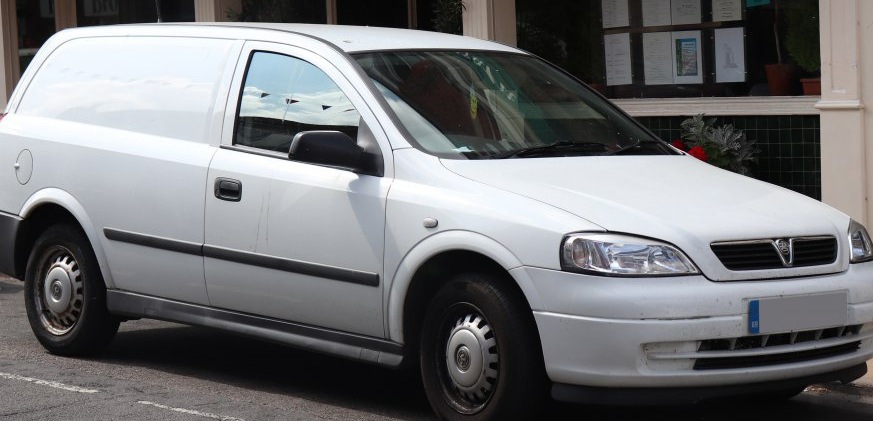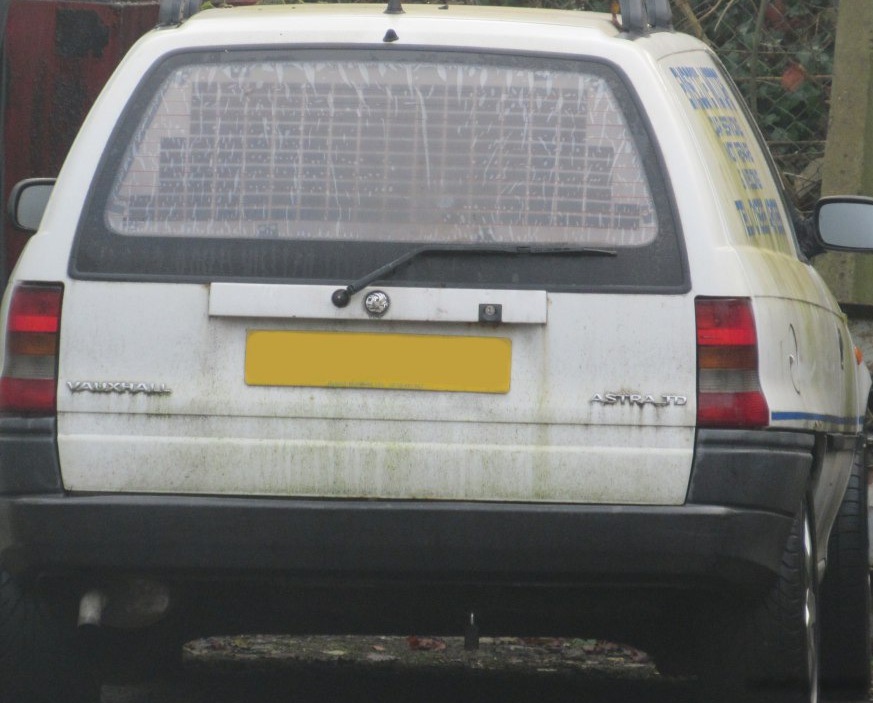
The Vauxhall Astravan Mk III 1.6i (75 hp) was a commercial variant of the popular Astra Mk III, produced between 1991 and 1998. Positioned as an entry-level workhorse, it served as a practical and affordable solution for businesses and tradespeople requiring a compact, yet capable, panel van. Based on the Astra estate body style, the Astravan Mk III offered a dedicated cargo area behind the front seats, distinguishing it from the passenger-carrying Astra models. It was a key component of Vauxhall’s commercial vehicle lineup during this period, competing with similar offerings from Ford and Citroen. The 1.6i engine and front-wheel drive configuration were central to its appeal, offering a balance of economy and usability.
Technical Specifications
| Brand | Vauxhall |
| Model | Astra |
| Generation | Astravan Mk III |
| Type (Engine) | 1.6i (75 Hp) |
| Start of production | 1991 |
| End of production | 1998 |
| Powertrain Architecture | Internal Combustion engine |
| Body type | Station wagon (estate) |
| Seats | 2 |
| Doors | 3 |
| Fuel Type | Petrol (Gasoline) |
| Power | 75 Hp |
| Engine Model/Code | C16NZ |
| Engine aspiration | Naturally aspirated engine |
| Engine oil capacity | 3.5 l (3.7 US qt | 3.08 UK qt) |
| Coolant capacity | 5.6 l (5.92 US qt | 4.93 UK qt) |
| Length | 4275 mm (168.31 in.) |
| Width | 1696 mm (66.77 in.) |
| Height | 1475 mm (58.07 in.) |
| Wheelbase | 2517 mm (99.09 in.) |
| Drivetrain Architecture | Internal Combustion Engine (ICE) driving front wheels |
| Drive wheel | Front wheel drive |
Powertrain & Engine Architecture
The Astravan Mk III 1.6i was powered by the C16NZ engine, a 1.6-liter inline-four cylinder petrol engine. This engine was a mainstay of Vauxhall/Opel vehicles throughout the 1990s, known for its relative simplicity and durability. It featured a single overhead camshaft (SOHC) valvetrain with two valves per cylinder. Fuel delivery was managed by a Bosch Mono-Jetronic fuel injection system, a relatively basic system for the time, but one that contributed to the engine’s reliability and ease of maintenance. The Mono-Jetronic system utilized a single fuel injector positioned centrally in the throttle body, providing a less precise but more robust fuel delivery compared to multi-point injection systems. The engine produced 75 horsepower and approximately 118 lb-ft of torque. The engine was mated to a four-speed automatic transmission, a common choice for commercial vehicles prioritizing ease of use over outright performance. This transmission was a traditional hydraulic automatic, known for its smooth operation but relatively slow shift times.
Driving Characteristics
The 1.6i automatic powertrain in the Astravan Mk III delivered modest performance. Acceleration was adequate for urban and suburban driving, but the van struggled when fully loaded or tackling steep inclines. The four-speed automatic transmission, while convenient, contributed to a noticeable lack of responsiveness. Gear ratios were geared towards fuel economy rather than spirited driving. Compared to the five-speed manual version of the 1.6i, the automatic variant felt considerably slower. The automatic transmission also impacted fuel economy, typically returning lower MPG figures than its manual counterpart. The front-wheel drive configuration provided predictable handling, but the van’s relatively high center of gravity and utilitarian suspension setup meant it wasn’t particularly engaging to drive. The focus was firmly on practicality and load-carrying capability, not driving enjoyment.
Equipment & Trim Levels
The Astravan Mk III 1.6i was typically sparsely equipped, reflecting its commercial vehicle status. Standard features included basic steel wheels, black plastic bumpers, and a simple interior with durable cloth upholstery. The cabin was designed for functionality, with minimal sound insulation and a focus on ease of cleaning. Power steering was often an optional extra, as were electric windows. Air conditioning was rarely fitted. The dashboard layout was similar to that of the Astra estate, but with fewer cosmetic embellishments. The rear cargo area was typically protected by a metal bulkhead separating it from the passenger compartment, enhancing security and reducing noise. Optional extras included upgraded stereo systems and additional security features.
Chassis & Braking
The Astravan Mk III utilized the Astra Mk III’s chassis, featuring independent MacPherson strut suspension at the front and a twist-beam axle with trailing arms at the rear. The suspension was tuned for comfort and load-carrying capacity, rather than sporty handling. Braking was typically accomplished with disc brakes at the front and drum brakes at the rear. Anti-lock Braking System (ABS) was an optional extra. The van’s relatively light weight (unladen) and modest power output meant that the braking system was generally adequate for its intended purpose. Stabilizer bars were fitted to both the front and rear axles, helping to reduce body roll during cornering.
Market Reception & Comparison
The Astravan Mk III 1.6i was generally well-received as a practical and affordable commercial vehicle. Critics praised its reliability and low running costs, but noted its lack of performance and refinement. Compared to other trims in the Astravan lineup, such as the diesel variants, the 1.6i offered a smoother and quieter driving experience, but at the expense of fuel economy. The diesel models were favored by those covering high mileages, while the 1.6i appealed to users who prioritized comfort and ease of use over outright economy. Against competitors like the Ford Escort Van and Citroen Berlingo First, the Astravan Mk III offered a competitive package in terms of price and practicality.
Legacy
The C16NZ engine, found in the Astravan Mk III 1.6i, is known for its durability and relative simplicity, making it a relatively easy engine to maintain and repair. However, age and mileage can lead to issues such as oil leaks and worn timing chains. The four-speed automatic transmission, while reliable, is prone to wear and tear, particularly if not serviced regularly. Today, the Astravan Mk III 1.6i is a relatively rare sight on the roads, but it has gained a following among classic van enthusiasts. Its affordability and practicality make it an attractive option for those seeking a retro-styled commercial vehicle. Parts availability is generally good, thanks to the widespread use of the C16NZ engine and Astra Mk III components in other Vauxhall/Opel models. Well-maintained examples can still provide reliable service, offering a glimpse into a bygone era of simple, functional commercial vehicles.