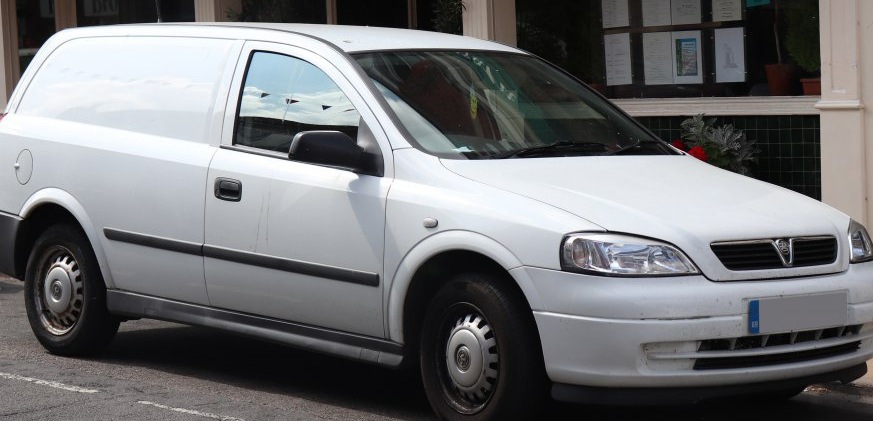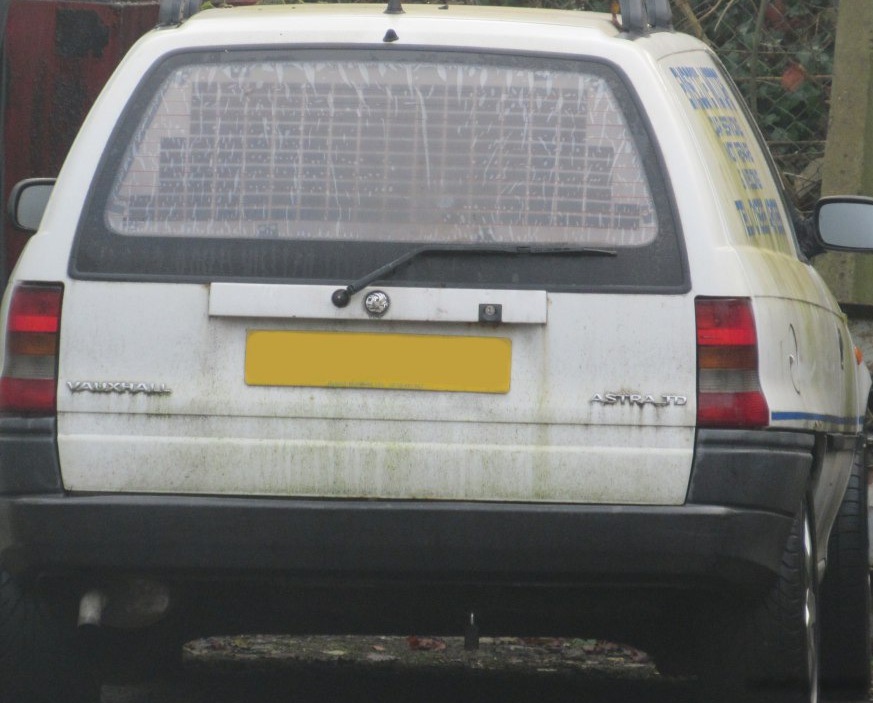
The Vauxhall Astravan Mk III 1.7 D, produced between 1991 and 1994, represented a utilitarian and cost-effective variant within the broader Astravan Mk III range. Based on the GTE chassis code, this model was specifically designed for commercial use, prioritizing practicality and fuel efficiency over outright performance. It served as a workhorse for businesses and tradespeople in the United Kingdom and other European markets, offering a dedicated cargo space derived from the Astra estate body style. The 1.7 D trim occupied the entry-level position in the Astravan lineup, appealing to budget-conscious buyers who needed a reliable, if unexciting, vehicle for light commercial duties.
Technical Specifications
| Brand | Vauxhall |
| Model | Astra |
| Generation | Astravan Mk III |
| Type (Engine) | 1.7 D (60 Hp) |
| Start of production | 1991 |
| End of production | 1994 |
| Powertrain Architecture | Internal Combustion engine |
| Body type | Station wagon (estate) |
| Seats | 2 |
| Doors | 3 |
| Fuel Type | Diesel |
| Power | 60 Hp |
| Engine Model/Code | 17DR |
| Engine aspiration | Naturally aspirated engine |
| Engine oil capacity | 5 l (5.28 US qt | 4.4 UK qt) |
| Coolant capacity | 7.8 l (8.24 US qt | 6.86 UK qt) |
| Length | 4275 mm (168.31 in.) |
| Width | 1696 mm (66.77 in.) |
| Height | 1475 mm (58.07 in.) |
| Wheelbase | 2517 mm (99.09 in.) |
| Drivetrain Architecture | Internal Combustion Engine (ICE) driving the front wheels |
| Drive wheel | Front wheel drive |
Powertrain & Engine Architecture
The heart of the Astravan Mk III 1.7 D was the 17DR engine, a 1.7-liter naturally aspirated diesel engine. This engine was a relatively simple design, reflecting the focus on durability and low running costs. It featured indirect injection, utilizing a Bosch rotary injection pump to deliver fuel into the pre-chamber. The engine employed a single overhead camshaft (SOHC) operating two valves per cylinder. The 17DR produced 60 horsepower at around 4,200 rpm and approximately 98 lb-ft of torque. This torque was available from relatively low engine speeds, making it suitable for hauling loads, but it came at the expense of acceleration. The engine was known for its robustness, but also for its agricultural character – it was noisy and vibrated considerably compared to more modern engines. The transmission was a four-speed manual gearbox, chosen for its simplicity and reliability. An optional three-speed automatic transmission was available, but it was less common due to its impact on fuel economy and performance.
Driving Characteristics
The driving experience in the Astravan 1.7 D was decidedly utilitarian. Acceleration was slow, and the engine required frequent gear changes to maintain momentum, especially when laden. The four-speed manual gearbox had relatively widely spaced ratios, further emphasizing the need for careful gear selection. The automatic transmission, while offering convenience, exacerbated the sluggishness. The suspension was tuned for comfort and load-carrying capacity, resulting in a somewhat soft and wallowy ride when unladen. Handling was predictable but not particularly engaging. The steering was unassisted, requiring a reasonable amount of effort, particularly at low speeds. Compared to the petrol-powered Astra variants, the 1.7 D offered significantly less performance but substantially better fuel economy – a key selling point for commercial users.
Equipment & Trim Levels
The Astravan Mk III 1.7 D was sparsely equipped, reflecting its commercial focus. Standard features typically included a basic dashboard with minimal instrumentation, vinyl upholstery, and a rubber floor covering. Power steering, central locking, and electric windows were generally not available, or were offered as rare options. The interior was designed for practicality and ease of cleaning. The rear cargo area was the primary focus, offering a substantial load space with a flat floor. A steel bulkhead separated the cargo area from the cab, providing security and reducing noise. Optional extras included upgraded seating, additional interior lighting, and a roof rack.
Chassis & Braking
The Astravan Mk III utilized a MacPherson strut front suspension and a twist-beam rear suspension. The rear suspension was relatively simple, contributing to the vehicle’s load-carrying capacity. Braking was typically accomplished with disc brakes on the front wheels and drum brakes on the rear wheels. The braking system was adequate for the vehicle’s weight and performance, but lacked the sophistication of more modern systems. Stabilizer bars were fitted to both the front and rear axles to reduce body roll, but the overall handling remained focused on stability rather than agility.
Market Reception & Comparison
The Astravan Mk III 1.7 D was well-received by businesses and tradespeople who prioritized affordability and reliability. Critics acknowledged its lack of performance but praised its fuel economy and durability. Compared to other vans and light commercial vehicles of the time, the Astravan offered a competitive price point and a reasonable level of practicality. Within the Astra range, the 1.7 D was positioned as the entry-level workhorse, contrasting sharply with the more powerful and refined petrol-powered models. The 1.9-liter diesel variant offered more performance but at a higher price, making the 1.7 D the preferred choice for budget-conscious buyers. Reliability was generally good, although the engine could be prone to wear and tear if not properly maintained.
Legacy
The Astravan Mk III 1.7 D has become a relatively rare sight on the roads today, but it retains a loyal following among enthusiasts and those who appreciate its simplicity and robustness. The 17DR engine, while not known for its refinement, is considered to be a durable and reliable unit. In the used car market, these vans are typically inexpensive to purchase, but finding well-maintained examples can be challenging. Parts availability is generally good, although some components may be becoming increasingly difficult to source. The Astravan Mk III 1.7 D represents a bygone era of utilitarian commercial vehicles, prioritizing functionality and affordability over luxury and performance. It remains a testament to the enduring appeal of simple, reliable engineering.