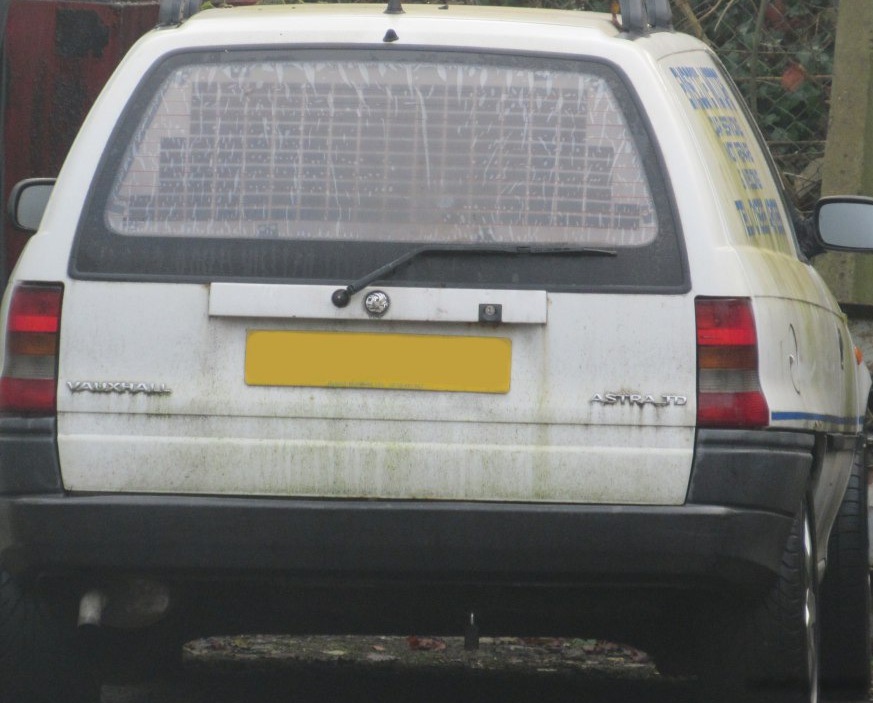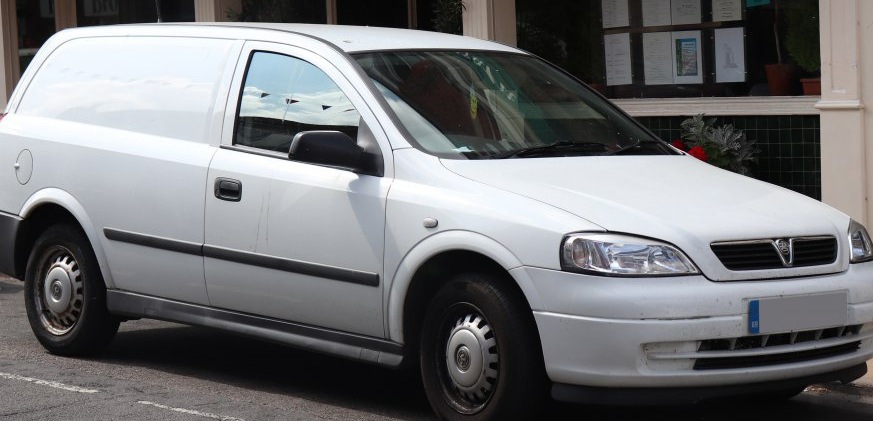
The Vauxhall Astravan Mk IV 1.6i (75 hp) was a commercial variant of the fourth-generation Vauxhall Astra, produced between 1998 and 2000. Based on the Astra F platform (internally designated as the 1HX0), the Astravan served as a panel van alternative to traditional light commercial vehicles, offering a blend of practicality and car-like driving characteristics. This particular 1.6i variant represented the entry-level engine option for the Astravan range, targeting businesses and tradespeople seeking an economical and reliable workhorse. It was primarily sold in the United Kingdom and other European markets where Vauxhall had a strong presence.
Technical Specifications
| Brand | Vauxhall |
| Model | Astra |
| Generation | Astravan Mk IV |
| Type (Engine) | 1.6i (75 Hp) |
| Start of production | 1998 |
| End of production | 2000 |
| Powertrain Architecture | Internal Combustion engine |
| Body type | Station wagon (estate) |
| Seats | 2 |
| Doors | 3 |
| Fuel Type | Petrol (Gasoline) |
| Power | 75 Hp |
| Engine Model/Code | X16SZR |
| Engine aspiration | Naturally aspirated engine |
| Engine oil capacity | 3.25 l (3.43 US qt | 2.86 UK qt) |
| Coolant capacity | 5.8 l (6.13 US qt | 5.1 UK qt) |
| Drivetrain Architecture | Front wheel drive |
Powertrain & Engine Architecture
The Astravan Mk IV 1.6i was powered by the X16SZR engine, a 1.6-liter inline-four cylinder petrol engine. This engine was a common sight in various Vauxhall/Opel models of the era, known for its relative simplicity and durability. The X16SZR is a naturally aspirated engine, meaning it doesn’t utilize a turbocharger or supercharger to force air into the cylinders. It featured a single overhead camshaft (SOHC) valvetrain with two valves per cylinder. Fuel delivery was managed by a Bosch Motronic multi-point fuel injection system, providing precise control over the air-fuel mixture for optimal combustion and emissions. The engine produced 75 horsepower (56 kW) and approximately 125 Nm (92 lb-ft) of torque. The engine was paired with a four-speed automatic transmission, which was a relatively basic unit designed for durability rather than outright performance. This transmission was a common choice for commercial vehicles where ease of use was prioritized over sporty driving dynamics.
Driving Characteristics
The 1.6i automatic Astravan wasn’t designed for speed. Acceleration was modest, with a 0-60 mph time estimated to be around 14-16 seconds. The four-speed automatic transmission contributed to this, with relatively wide gear ratios. In real-world driving, the engine felt strained when fully loaded or climbing hills. The automatic transmission, while convenient, lacked the responsiveness of a manual gearbox and didn’t allow the driver to fully exploit the engine’s limited power. Compared to the manual transmission versions of the 1.6i, the automatic suffered a noticeable performance penalty. Higher-spec Astravans equipped with larger engines, such as the 1.8 or 2.0-liter units, offered significantly more power and a more engaging driving experience. However, the 1.6i automatic prioritized fuel economy and ease of use, making it suitable for urban deliveries and shorter journeys.
Equipment & Trim Levels
As a commercial vehicle, the Astravan Mk IV 1.6i was fairly basic in terms of equipment. Standard features typically included power steering, a driver’s airbag, and a basic stereo system. The interior was primarily focused on functionality, with durable plastic trim and hard-wearing cloth upholstery. The rear cargo area was the primary focus, offering a substantial load volume for its size. Optional extras were limited but could include electric windows, central locking, and upgraded audio systems. The Astravan’s trim level was generally consistent across the 1.6i range, with minimal differentiation between models. The emphasis was on providing a practical and affordable van rather than luxury or refinement.
Chassis & Braking
The Astravan Mk IV utilized the Astra’s independent front suspension with MacPherson struts and a torsion beam rear suspension. This setup provided a reasonable balance between ride comfort and handling, although the rear suspension could feel somewhat unsettled when the vehicle was heavily loaded. Braking was typically accomplished with disc brakes on the front wheels and drum brakes on the rear. Anti-lock Braking System (ABS) was often an optional extra, rather than standard equipment. The Astravan’s chassis was reinforced compared to the standard Astra to handle the increased weight of cargo. Stabilizer bars were fitted to both the front and rear axles to reduce body roll during cornering.
Market Reception & Comparison
The Astravan Mk IV 1.6i was generally well-received as a practical and affordable light commercial vehicle. Critics praised its car-like driving characteristics and relatively low running costs. However, the 1.6i engine was often criticized for being underpowered, particularly when the van was fully loaded. Compared to other vans in its class, such as the Ford Escort Van or the Citroën Berlingo, the Astravan offered a more refined driving experience but lacked the ultimate load-carrying capacity of some of its rivals. Fuel economy was reasonable for the time, averaging around 30-35 mpg in mixed driving conditions. Reliability was generally good, with the X16SZR engine proving to be a durable and dependable unit.
Legacy
The Astravan Mk IV 1.6i, while not a performance icon, remains a popular choice among classic van enthusiasts and small businesses seeking a reliable and affordable work vehicle. The X16SZR engine is known for its longevity and relatively simple maintenance requirements. Parts availability is generally good, thanks to the engine’s widespread use in other Vauxhall/Opel models. In the used car market, these vans are typically priced affordably, making them an attractive option for those on a budget. While the automatic transmission isn’t as sought after as the manual version, it still offers a convenient and practical solution for drivers who prefer not to shift gears. The Astravan Mk IV 1.6i represents a practical and dependable era of commercial vehicle design, offering a blend of functionality, affordability, and car-like comfort.