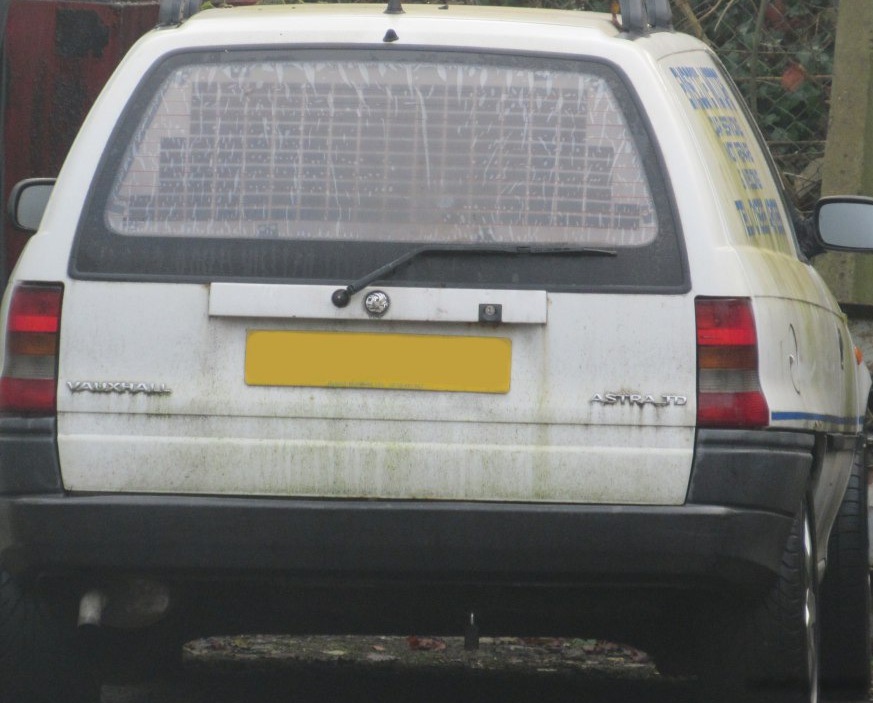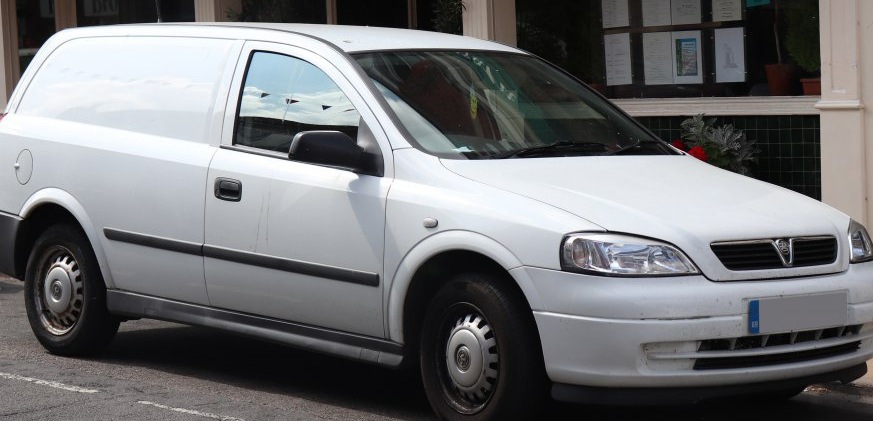
The Vauxhall Astravan Mk IV 1.7 TD, produced between 1998 and 2000, represented a utilitarian offering within the fourth generation of the Vauxhall Astra range. Based on the Astra F platform (though often referred to as Mk IV when specifically denoting the van variant), this model served as a commercial vehicle, prioritizing practicality and fuel efficiency over outright performance. It was primarily aimed at small businesses and tradespeople requiring a compact and economical load carrier. The Astravan differed significantly from the passenger Astra models, featuring a dedicated cargo area behind the front seats and a reinforced suspension to handle heavier loads. This variant occupied the entry-level position in the Astravan lineup, offering a more affordable option compared to petrol-powered or higher-specification diesel models.
Technical Specifications
| Brand | Vauxhall |
| Model | Astra |
| Generation | Astravan Mk IV |
| Type (Engine) | 1.7 TD (68 Hp) |
| Start of production | 1998 |
| End of production | 2000 |
| Powertrain Architecture | Internal Combustion engine |
| Body type | Station wagon (estate) |
| Seats | 2 |
| Doors | 3 |
| Fuel Type | Diesel |
| Power | 68 Hp |
| Engine Model/Code | X17DTL |
| Engine aspiration | Turbocharger |
| Engine oil capacity | 5.5 l (5.81 US qt | 4.84 UK qt) |
| Coolant capacity | 8.7 l (9.19 US qt | 7.65 UK qt) |
| Drivetrain Architecture | Front wheel drive |
Powertrain & Engine Architecture
The Astravan Mk IV 1.7 TD utilized the Isuzu-derived X17DTL diesel engine. This 1.7-liter, turbocharged diesel engine was a common sight in various Vauxhall and Opel models of the era. The ‘TD’ designation signifies a turbocharged diesel, providing a modest power increase over naturally aspirated alternatives. The X17DTL engine featured indirect fuel injection, a system common for diesels of this period, utilizing a distributor-type pump. This system, while relatively simple, wasn’t as refined or efficient as later direct injection technologies. The engine employed a single overhead camshaft (SOHC) valvetrain, operating two valves per cylinder. The turbocharger, a Garrett unit, provided a boost to improve torque and overall performance, although it wasn’t designed for aggressive driving. The engine was mated to a five-speed manual transmission, the only transmission option available for this specific variant. The engine’s design prioritized durability and fuel economy, rather than high output or responsiveness.
Driving Characteristics
The 1.7 TD Astravan, with its 68 horsepower, wasn’t known for its blistering acceleration. Performance was adequate for urban and light commercial duties, but highway overtaking required careful planning. The turbocharger did provide a noticeable boost in mid-range torque, making it more manageable when carrying a load. The five-speed manual transmission was geared to maximize fuel efficiency, with relatively long gear ratios. This meant that the engine often felt strained at higher speeds. Compared to the petrol-powered Astravans, the 1.7 TD offered significantly better fuel economy, but at the expense of performance. Compared to later common-rail diesel Astravans, the X17DTL engine was noticeably louder and less refined, with more pronounced diesel clatter. The suspension, while reinforced for carrying loads, provided a somewhat firm ride, especially when unladen.
Equipment & Trim Levels
The Astravan Mk IV 1.7 TD was a fairly basic commercial vehicle. Standard equipment was minimal, focusing on functionality rather than luxury. Typically, it included a driver’s airbag, central locking, and power steering. The interior was predominantly plastic, designed for durability and ease of cleaning. Upholstery was typically a hard-wearing vinyl or cloth. The dashboard layout was simple and functional, with clearly labeled controls. Optional extras were limited, and often included upgrades to the stereo system or the addition of a load securing system in the cargo area. The Astravan didn’t offer the same level of customization as the passenger Astra models; trim levels were largely dictated by the engine and specification chosen.
Chassis & Braking
The Astravan Mk IV utilized the Astra F’s chassis, but with modifications to accommodate the increased load capacity. The front suspension consisted of MacPherson struts, while the rear suspension employed a torsion beam setup. The rear suspension was reinforced to handle heavier loads, resulting in a slightly stiffer ride. Braking was typically accomplished with disc brakes on the front wheels and drum brakes on the rear wheels. Anti-lock Braking System (ABS) was not standard on all models, and often required a separate option to be selected. The steering was rack and pinion, providing reasonable precision and feedback. Stabilizer bars were fitted to both the front and rear axles to reduce body roll during cornering, although the Astravan wasn’t designed for spirited driving.
Market Reception & Comparison
The Astravan Mk IV 1.7 TD was generally well-received as a practical and economical commercial vehicle. Critics praised its fuel efficiency and durability, but noted its lack of refinement and relatively low power output. Compared to the petrol-powered Astravans, the 1.7 TD offered significantly lower running costs, making it a popular choice for businesses with high mileage requirements. Compared to other light commercial vehicles of the time, such as the Ford Escort Van or the Citroen Berlingo, the Astravan offered a good balance of price, practicality, and reliability. However, its relatively basic interior and lack of advanced features meant it wasn’t as appealing to buyers seeking a more comfortable or well-equipped van.
Legacy
The X17DTL engine, while not known for its longevity in all applications, proved to be reasonably reliable in the Astravan Mk IV, provided it was properly maintained. Common issues included turbocharger failure and wear on the fuel injection pump. Today, the Astravan Mk IV 1.7 TD is a relatively rare sight on the roads, with many examples having been scrapped or exported. Those that remain are often sought after by enthusiasts and small businesses looking for a simple, affordable, and reliable workhorse. The Astravan’s legacy lies in its practicality and its role as a dependable commercial vehicle for a generation of tradespeople and small businesses. Parts availability can be challenging, but many components are still available through specialist suppliers or from other Vauxhall/Opel models of the same era.