Technical Specifications
| Brand | Vauxhall |
| Model | Carlton Mk II |
| Type (Engine) | 1.8 S (88 Hp) |
| Start of Production | 1982 |
| End of Production | 1986 |
| Powertrain Architecture | Internal Combustion Engine |
| Body Type | Sedan |
| Seats | 5 |
| Doors | 4 |
| Fuel Type | Petrol (Gasoline) |
| Power | 88 Hp |
| Engine Aspiration | Naturally Aspirated |
| Engine Oil Capacity | 4.5 l (4.76 US qt | 3.96 UK qt) |
| Coolant Capacity | 6.4 l (6.76 US qt | 5.63 UK qt) |
| Drivetrain | Rear Wheel Drive |
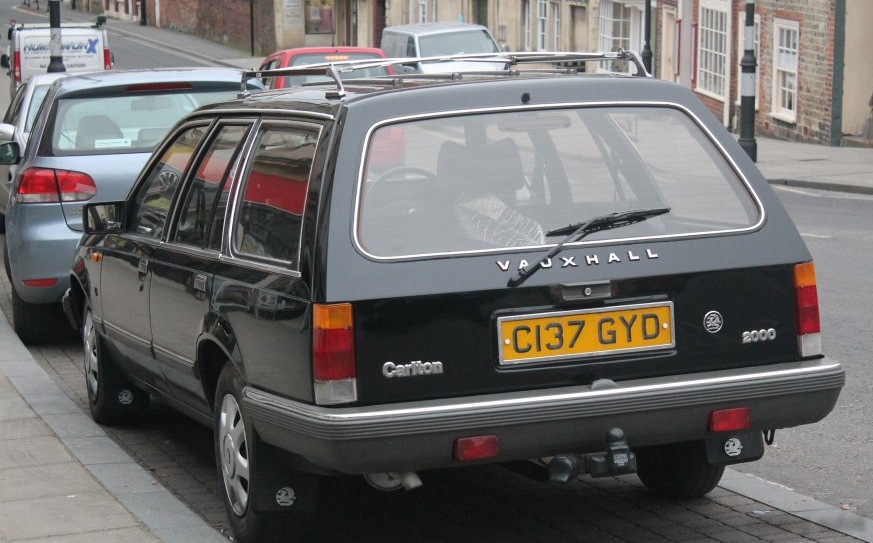
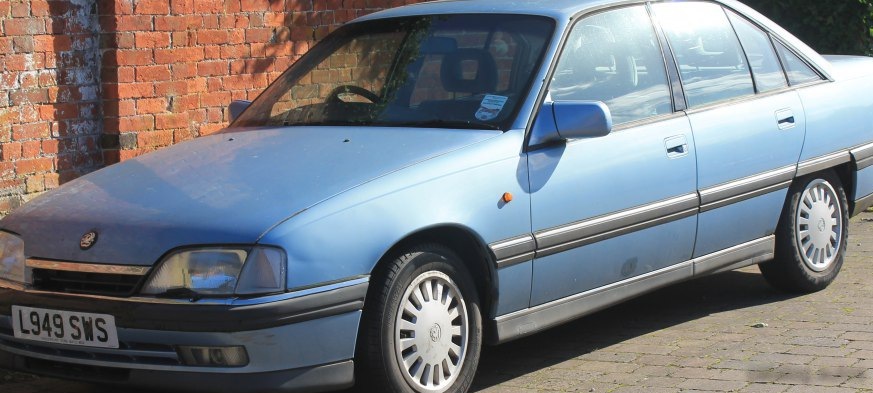
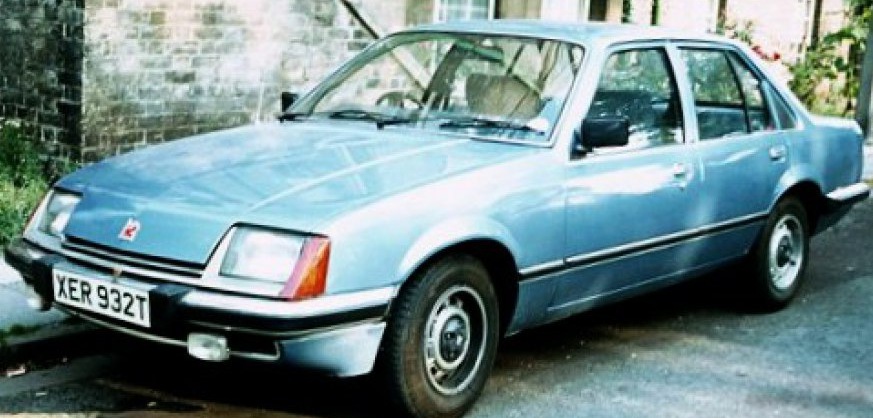
The Vauxhall Carlton Mk II 1.8 S, produced between 1982 and 1986, represented the entry point into the second generation of the Carlton range. Positioned as a mainstream, comfortable saloon, it served as a practical and affordable option within a lineup that also included more powerful and luxurious variants like the 2.0L and 2.8L ‘GSi’ models. The Mk II Carlton, built on the GM X-body platform (internally designated as the ‘Commodore’ platform, despite the Carlton name), aimed to provide a spacious and well-equipped vehicle for family and business users in the UK market. This 1.8 S model, with its 88 horsepower output, was specifically geared towards buyers prioritizing fuel economy and lower running costs over outright performance.
Powertrain & Engine Architecture
The 1.8 S variant of the Carlton Mk II utilized the Vauxhall/Opel 18E engine, a 1799cc inline-four cylinder petrol engine. This engine, a mainstay of the Vauxhall range for many years, featured a cast iron block and an aluminum cylinder head. It employed a single overhead camshaft (SOHC) design with two valves per cylinder. Fuel delivery was managed by a Bosch K-Jetronic mechanical fuel injection system, a relatively sophisticated setup for the time, offering improved fuel efficiency and reduced emissions compared to carbureted engines. The engine produced 88 horsepower at 5200 rpm and 109 lb-ft of torque at 3200 rpm. The engine was mated to a three-speed automatic transmission, a Borg Warner unit, which was a common pairing for this trim level. This transmission was chosen to provide ease of use and comfort, appealing to the target demographic of family buyers and those less concerned with sporty driving dynamics. The automatic transmission featured a torque converter, providing smooth engagement and multiplication of engine torque at lower speeds.
Driving Characteristics
The Carlton 1.8 S Automatic offered a comfortable, if uninspiring, driving experience. The three-speed automatic transmission, while smooth, resulted in relatively slow acceleration. Zero to sixty mph times were typically in the region of 12-13 seconds, making it noticeably slower than the manual transmission versions or the larger-engined models. The gear ratios were optimized for fuel economy and cruising rather than performance. The rear-wheel drive configuration provided balanced handling, but the relatively soft suspension setup prioritized ride comfort over sharp cornering. Compared to the 2.0L or GSi models, the 1.8 S felt significantly less powerful, requiring more planning when overtaking or merging onto highways. However, the automatic transmission made it a very easy car to drive in urban environments. The steering, while power-assisted, lacked the direct feel of some contemporary rivals, contributing to a more relaxed driving style. The overall driving experience was geared towards comfort and ease of use, rather than sporty engagement.
Equipment & Trim Levels
The 1.8 S trim level represented a fairly basic specification within the Mk II Carlton range. Standard equipment typically included cloth upholstery, central locking, and a basic stereo system. The dashboard featured a straightforward layout with analog gauges for speed, fuel level, coolant temperature, and battery voltage. Optional extras included a sunroof, upgraded stereo systems, and power windows. Interior trim was generally functional and durable, reflecting the car’s intended role as a practical family saloon. The exterior styling was relatively understated, with minimal chrome trim and standard steel wheels with hubcaps. Higher trim levels, such as the GLS and GSi, offered more luxurious appointments, including leather upholstery, alloy wheels, and more comprehensive instrumentation. The 1.8 S often featured a simpler interior door panel design and lacked some of the sound insulation found in higher-spec models.
Chassis & Braking
The Carlton Mk II utilized a traditional body-on-frame construction, providing a robust and durable chassis. The front suspension consisted of independent coil springs and MacPherson struts, while the rear suspension employed a live axle with leaf springs. This setup prioritized ride comfort and load-carrying capacity. Braking was initially provided by disc brakes on the front wheels and drum brakes on the rear wheels. Later models saw the introduction of rear disc brakes on some variants, but the 1.8 S typically retained the rear drum setup. Steering was power-assisted, making it relatively light and easy to maneuver. Stabilizer bars were fitted to both the front and rear axles to reduce body roll during cornering, although their effectiveness was limited by the soft suspension settings. The chassis design, while robust, contributed to a relatively high curb weight, further impacting performance.
Market Reception & Comparison
The Vauxhall Carlton 1.8 S Automatic was generally well-received as a practical and affordable family saloon. Critics praised its spacious interior, comfortable ride, and relatively low running costs. However, it was often criticized for its lack of performance and somewhat dated styling. Compared to its siblings, the 1.8 S offered the best fuel economy, achieving around 25-30 mpg in mixed driving conditions. The 2.0L models offered a noticeable improvement in performance, while the GSi variants provided significantly more power and a sportier driving experience. However, these higher-spec models came at a higher price point. The 1.8 S appealed to buyers who prioritized practicality and affordability over performance and luxury. It competed with other mainstream saloons of the time, such as the Ford Granada and the Austin Rover Montego, offering a similar blend of comfort and affordability.
Legacy
The 1.8 S variant of the Carlton Mk II, while not the most sought-after model in the range, has proven to be relatively reliable over the long term. The 18E engine is known for its durability, and the Borg Warner automatic transmission is generally robust. However, as with any classic car, regular maintenance is essential to prevent issues. Today, the Carlton Mk II 1.8 S is a relatively affordable classic car, appealing to enthusiasts looking for a spacious and comfortable saloon with a touch of retro charm. Parts availability can be a challenge, but many components are still available through specialist suppliers. The car represents a significant piece of British automotive history, embodying the design and engineering philosophies of the early 1980s. Its simplicity and robust construction have contributed to its longevity, and it remains a viable option for those seeking a classic car experience without the complexities of more modern vehicles.