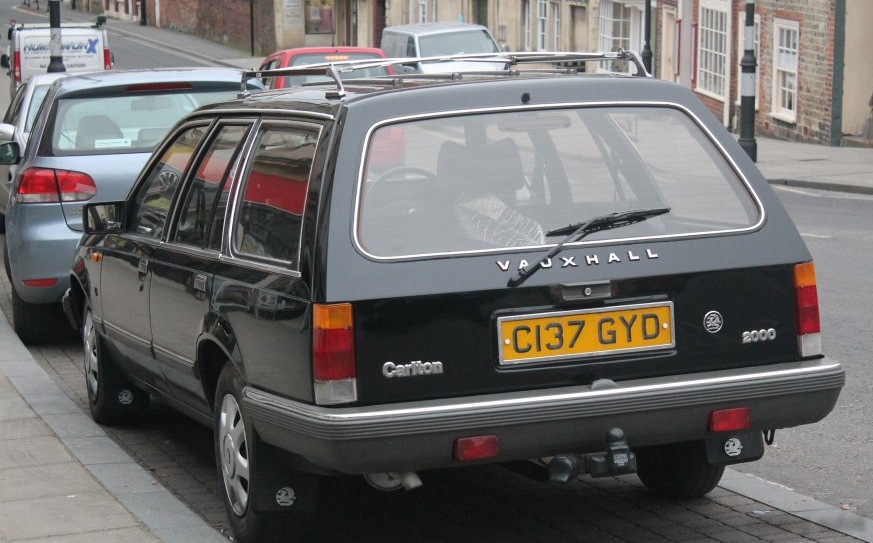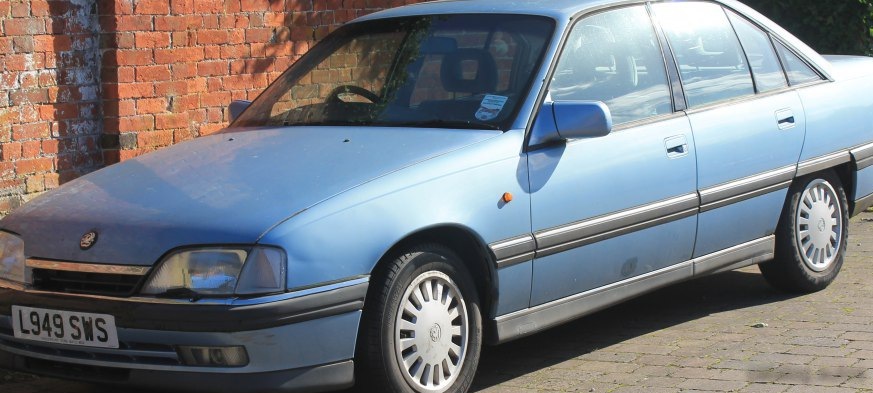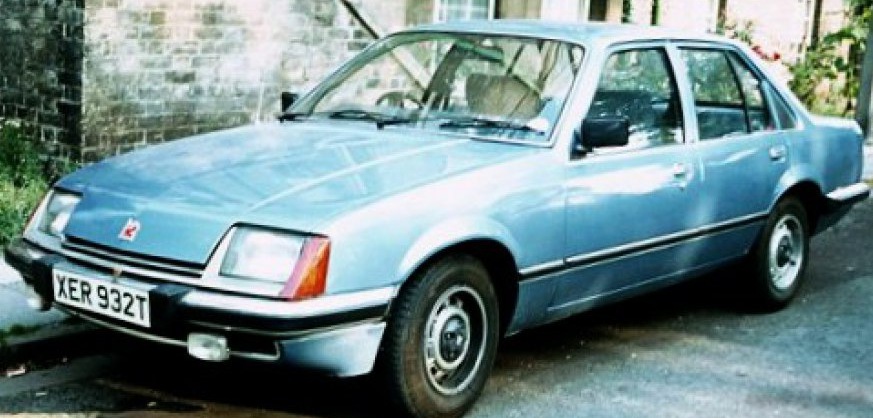
The Vauxhall Carlton Mk II 2.0 E, produced between 1983 and 1984, represented an entry-level offering within the second generation of the Carlton (Mk II) range. Positioned as a more affordable alternative to the larger-engined models, the 2.0 E aimed to provide comfortable, reliable transportation for families and business users. It was a key part of Vauxhall’s strategy to offer a broad range of trims within the Carlton lineup, appealing to a wider customer base. The Mk II Carlton, built on the GM X-body platform, was a significant update over the original Carlton, offering improved styling, interior space, and refinement. This variant, with its 110 horsepower engine, served as a stepping stone into the Carlton range, offering a balance between performance and economy.
Technical Specifications
| Brand | Vauxhall |
| Model | Carlton Mk II |
| Generation | Carlton Mk II |
| Type (Engine) | 2.0 E (110 Hp) |
| Start of production | 1983 |
| End of production | 1984 |
| Powertrain Architecture | Internal Combustion engine |
| Body type | Sedan |
| Seats | 5 |
| Doors | 4 |
| Fuel Type | Petrol (Gasoline) |
| Power | 110 Hp |
| Engine Model/Code | 20E |
| Engine aspiration | Naturally aspirated engine |
| Engine oil capacity | 3.8 l (4.02 US qt | 3.34 UK qt) |
| Coolant capacity | 6.1 l (6.45 US qt | 5.37 UK qt) |
| Drivetrain Architecture | Rear wheel drive |
Powertrain & Engine Architecture
The heart of the Carlton 2.0 E was the 1998cc (121.7 cubic inch) 20E inline-four cylinder engine. This engine, part of Vauxhall’s family of overhead camshaft (OHC) engines, was known for its relative simplicity and durability. The 20E featured a two-valve-per-cylinder configuration and utilized a Bosch L-Jetronic fuel injection system, a common setup for the era. This system, while not as sophisticated as later multi-point injection systems, provided reliable fuel delivery and contributed to reasonable fuel economy. The engine produced 110 horsepower at 5200 rpm and 128 lb-ft of torque at 3600 rpm. The engine block was cast iron, providing a robust foundation, while the cylinder head was aluminum, helping to reduce weight. The Carlton 2.0 E was typically paired with a four-speed automatic transmission, although a five-speed manual gearbox was also available as an option. The automatic transmission, while offering convenience, did impact acceleration and overall fuel efficiency compared to the manual version.
Driving Characteristics
The 2.0 E automatic Carlton offered a comfortable, if not particularly sporty, driving experience. Acceleration was adequate for everyday driving, with a 0-60 mph time estimated around 11-12 seconds. The automatic transmission featured relatively widely spaced gear ratios, prioritizing fuel economy over rapid acceleration. The torque converter provided smooth, but somewhat sluggish, gear changes. Compared to the manual transmission version, the automatic suffered a noticeable performance penalty. The higher-output 2.8-liter ‘six’ and 2.0 ‘E’ with manual transmission offered significantly more responsive performance. The rear-wheel-drive configuration provided balanced handling, although the car’s weight (around 2800 lbs) and relatively soft suspension setup meant it wasn’t a particularly agile vehicle. Steering was power-assisted, making maneuvering easy, but lacked significant feedback.
Equipment & Trim Levels
The Carlton 2.0 E typically came equipped with a reasonable level of standard features for its time. These included central locking, electric front windows, and a basic stereo system. Interior upholstery was typically cloth, available in a range of colors. The dashboard layout was functional and straightforward, with clearly marked gauges. Optional extras included a sunroof, upgraded stereo systems, and metallic paint finishes. The 2.0 E was positioned as the entry-level trim, so it lacked some of the more luxurious features found on the higher-spec models, such as leather upholstery, cruise control, and more advanced audio systems. The trim level was identifiable by badging on the rear of the vehicle.
Chassis & Braking
The Carlton Mk II utilized a traditional body-on-frame construction, providing a robust and durable chassis. Suspension consisted of independent front suspension with MacPherson struts and a live axle rear suspension with trailing arms. The rear suspension on the 2.0 E typically featured drum brakes, while the front brakes were disc brakes. Stabilizer bars were fitted to both the front and rear axles, helping to reduce body roll during cornering. Steering was a recirculating ball system, providing relatively light steering effort. The braking system, while adequate for normal driving conditions, lacked the stopping power of more modern systems. The suspension setup prioritized ride comfort over handling precision.
Market Reception & Comparison
The Vauxhall Carlton 2.0 E was generally well-received as a practical and reliable family car. Critics praised its comfortable ride, spacious interior, and reasonable fuel economy. However, it was often criticized for its lack of performance, particularly in automatic transmission guise. Compared to its siblings, the 2.0 E offered a more affordable entry point into the Carlton range. The 2.8-liter ‘six’ offered significantly more power and refinement, but at a higher price point. The 1.8-liter models provided a compromise between performance and economy, but the 2.0 E offered a slightly larger engine and more torque. Fuel economy was respectable for the time, averaging around 25-30 mpg on the combined cycle. Reliability was generally good, although the automatic transmission could be prone to issues if not properly maintained.
Legacy
The Vauxhall Carlton Mk II 2.0 E, while not the most exciting variant in the range, remains a fondly remembered car for many. Its robust engine and relatively simple mechanicals contribute to its continued reliability, and well-maintained examples are still found on the roads today. The 20E engine is known for its durability, and parts availability remains reasonable. In the used car market, the 2.0 E represents an affordable entry point into classic Vauxhall ownership. While not a collector’s item in the same vein as the high-performance ‘six’ models, it offers a comfortable and reliable classic car experience. The Carlton Mk II, in general, is remembered as a solid and well-built family saloon that provided comfortable transportation for a generation of drivers.