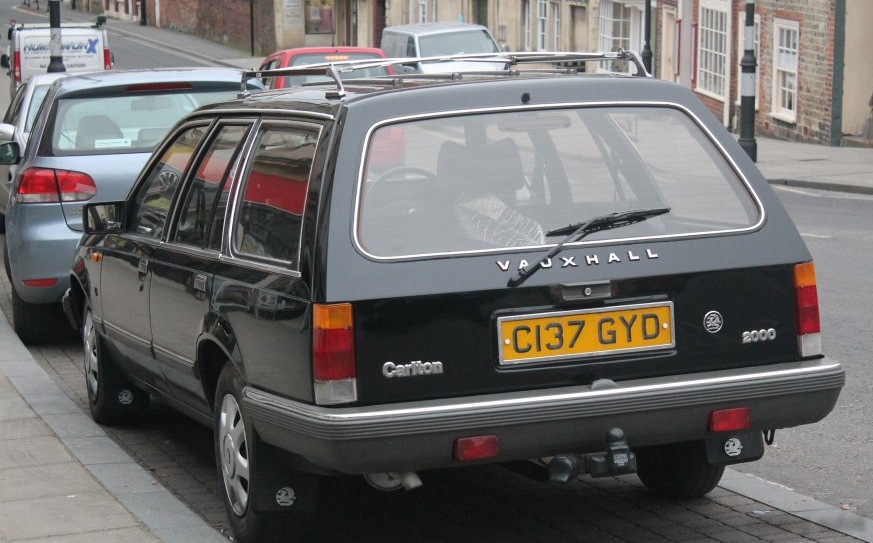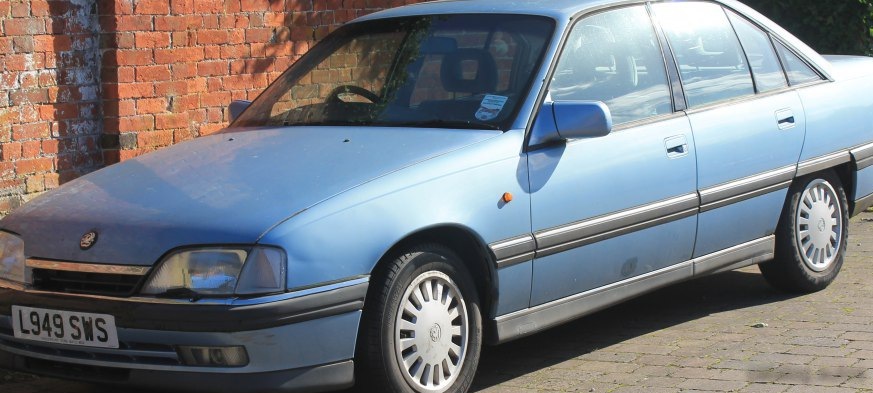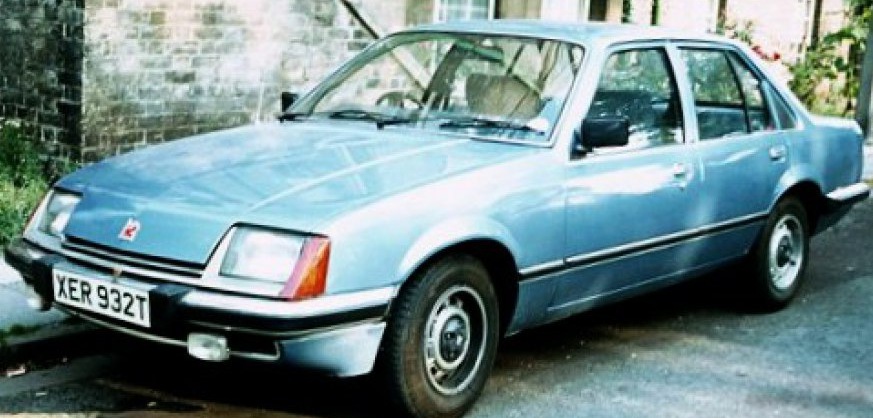
The Vauxhall Carlton Mk II 2.0 S (100 hp) was a mid-range variant of the second-generation Carlton, produced between 1978 and 1986. Positioned within the broader Carlton Mk II lineup – which included models ranging from the base 1.6L to the more powerful 2.8L ‘GSi’ – the 2.0 S offered a balance between affordability, reasonable performance, and everyday usability. It represented a popular choice for family saloon buyers in the United Kingdom and Europe, offering a step up in refinement and power compared to the entry-level models, without the higher price tag of the flagship versions. The Carlton Mk II itself was a significant model for Vauxhall, representing a move towards more modern styling and engineering compared to its predecessor.
Technical Specifications
| Brand | Vauxhall |
| Model | Carlton Mk II |
| Type (Engine) | 2.0 S (100 Hp) |
| Start of production | 1978 |
| End of production | 1986 |
| Powertrain Architecture | Internal Combustion engine |
| Body type | Sedan |
| Seats | 5 |
| Doors | 4 |
| Fuel consumption (urban) | 11.6 l/100 km (20.3 US mpg) |
| Fuel consumption (extra urban) | 7.3 l/100 km (32.2 US mpg) |
| Fuel Type | Petrol (Gasoline) |
| Weight-to-power ratio | 11.3 kg/Hp |
| Weight-to-torque ratio | 7.2 kg/Nm |
| Power | 100 Hp @ 5200 rpm |
| Power per litre | 50.5 Hp/l |
| Torque | 158 Nm @ 3600 rpm (116.53 lb.-ft. @ 3600 rpm) |
| Engine layout | Front, Longitudinal |
| Engine Model/Code | 20S |
| Engine displacement | 1979 cm3 (120.77 cu. in.) |
| Number of cylinders | 4 |
| Engine configuration | Inline |
| Compression ratio | 9:1 |
| Number of valves per cylinder | 2 |
| Fuel injection system | Carburettor |
| Engine aspiration | Naturally aspirated |
| Valvetrain | CIH |
| Engine oil capacity | 3.8 l (4.02 US qt | 3.34 UK qt) |
| Coolant capacity | 6.1 l (6.45 US qt | 5.37 UK qt) |
| Kerb Weight | 1130 kg (2491.22 lbs.) |
| Max. weight | 1600 kg (3527.4 lbs.) |
| Max load | 470 kg (1036.17 lbs.) |
| Trunk (boot) space – minimum | 481 l (16.99 cu. ft.) |
| Fuel tank capacity | 65 l (17.17 US gal | 14.3 UK gal) |
| Max. roof load | 80 kg (176.37 lbs.) |
| Length | 4743 mm (186.73 in.) |
| Width | 1734 mm (68.27 in.) |
| Height | 1361 mm (53.58 in.) |
| Wheelbase | 2668 mm (105.04 in.) |
| Minimum turning circle | 9.9 m (32.48 ft.) |
| Drivetrain Architecture | Rear wheel drive |
| Number of gears | 4 |
| Gearbox type | Manual transmission |
| Front suspension | Independent, McPherson with coil spring and anti-roll bar |
| Rear suspension | Independent multi-link suspension |
| Front brakes | Disc, 243.84 mm |
| Rear brakes | Drum, 228.6 mm |
| Steering type | Cone worm with recirculation balls |
| Power steering | Hydraulic |
| Wheel rims size | 5.5J x 14 |
Powertrain & Engine Architecture
The heart of the Carlton 2.0 S was the Vauxhall-designed 1979cc inline-four cylinder engine, designated the 20S. This engine was part of the ‘O-series’ family, known for its durability and relatively simple design. It featured a single overhead camshaft (SOHC) valvetrain, operating two valves per cylinder. Unlike later fuel-injected versions, the 2.0 S utilized a carburettor for fuel delivery, specifically a Zenith 36mm unit. This carburettor setup, while less sophisticated than fuel injection, contributed to the engine’s ease of maintenance and relatively low cost. The engine produced 100 horsepower at 5200 rpm and 158 Nm (116.53 lb-ft) of torque at 3600 rpm. The engine was mounted longitudinally in the engine bay, driving the rear wheels. The transmission was a four-speed manual gearbox, offering a fairly conventional gear ratio spread for the era.
Driving Characteristics
The 2.0 S offered a respectable, if not exhilarating, driving experience. With 100 hp propelling a car weighing around 1130 kg (2491 lbs), acceleration was adequate for everyday driving, but it wasn’t a particularly quick car. The four-speed manual gearbox required frequent shifting to maintain momentum, especially when overtaking. Compared to the more powerful 2.3 and 2.8-litre models, the 2.0 S felt noticeably less responsive. However, the lower engine weight contributed to better handling balance. The rear-wheel-drive configuration provided a more engaging driving experience than front-wheel-drive alternatives, although it also demanded more careful throttle control in slippery conditions. The steering, while hydraulic assisted, lacked the precision of more modern systems.
Equipment & Trim Levels
The 2.0 S trim level offered a reasonable level of equipment for the time. Standard features typically included cloth upholstery, a basic stereo system, and central locking. The interior was functional and relatively spacious, offering comfortable seating for five adults. Optional extras included a sunroof, upgraded stereo systems, and metallic paint finishes. The dashboard layout was typical of the era, with a straightforward arrangement of gauges and controls. The 2.0 S generally featured a more refined interior trim than the base models, with slightly better quality materials and finishes.
Chassis & Braking
The Carlton Mk II utilized a relatively conventional chassis design. The front suspension employed independent McPherson struts with coil springs and an anti-roll bar, while the rear suspension featured an independent multi-link setup. This suspension arrangement provided a good balance between ride comfort and handling. Braking was accomplished via disc brakes on the front wheels and drum brakes on the rear. While adequate for normal driving, the braking system lacked the stopping power of more modern cars. The steering system was a cone worm and recirculating ball setup, providing a reasonable level of feel but lacking the precision of rack-and-pinion steering.
Market Reception & Comparison
The Vauxhall Carlton 2.0 S was generally well-received by motoring journalists as a practical and affordable family saloon. Critics praised its comfortable ride, spacious interior, and reasonable fuel economy. However, some criticized its lack of outright performance compared to rivals and the somewhat dated carburettor-based fuel system. Compared to the higher-spec Carlton models, the 2.0 S offered a more economical option, but at the expense of performance and refinement. Against competitors like the Ford Granada and Rover SD1, the Carlton 2.0 S offered a competitive package in terms of price, practicality, and reliability.
Legacy
The Vauxhall Carlton Mk II 2.0 S, while not a particularly iconic or sought-after classic today, remains a relatively reliable and affordable used car. The 20S engine is known for its durability, and parts availability is generally good. However, like all cars of this era, rust can be a significant issue, particularly on cars that have not been properly maintained. The 2.0 S represents a snapshot of British automotive engineering in the late 1970s and early 1980s – a practical, dependable, and reasonably well-equipped family saloon that provided comfortable transportation for many years. Today, it appeals to enthusiasts seeking a classic British car with a simple, easily maintainable powertrain.