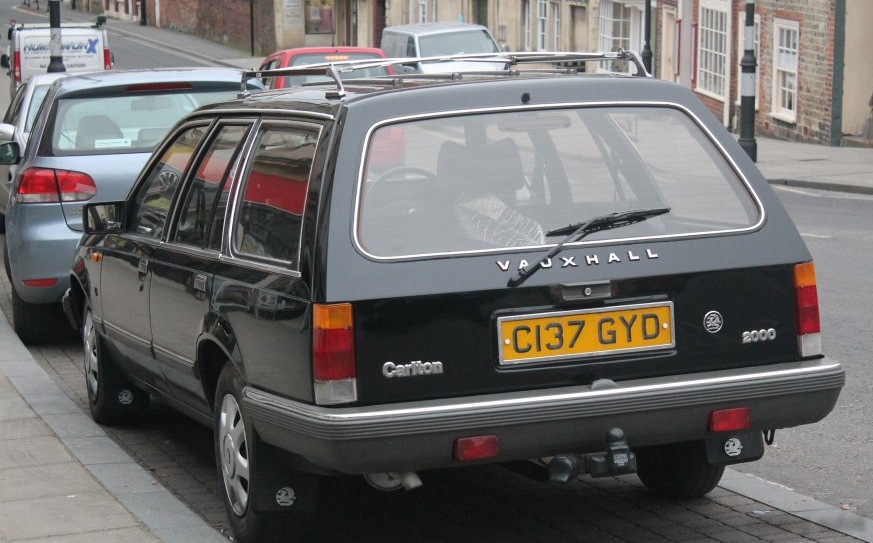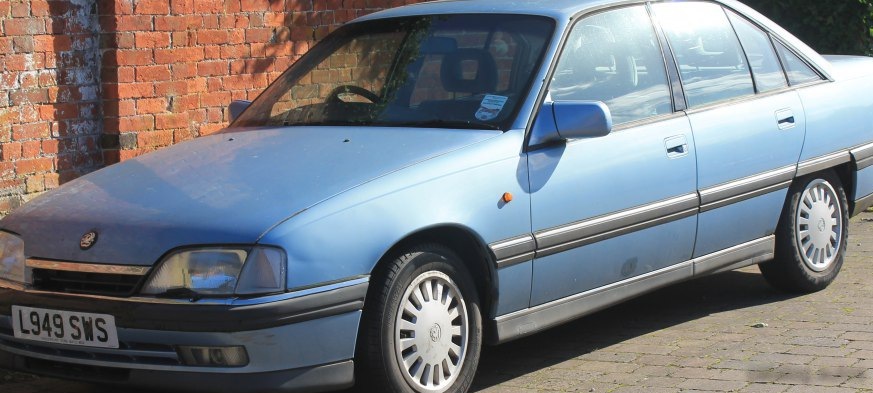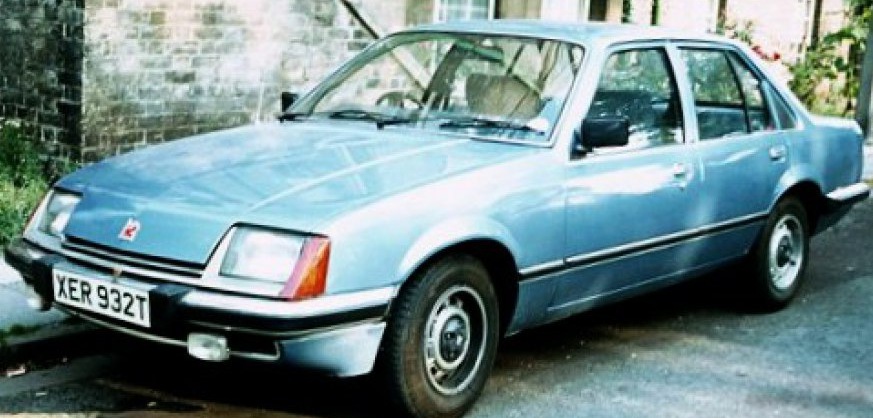
The Vauxhall Carlton Mk II 2.2i, produced between 1984 and 1986, represented a significant step in the evolution of Vauxhall’s flagship saloon. Positioned as a mid-range offering within the Mk II Carlton lineup, it aimed to provide a balance of comfort, practicality, and reasonable performance for the British family car market. The Mk II Carlton, built on the GM X-body platform (internally designated as the ‘Commodore’ platform despite the Carlton name), was a re-engineered and re-badged Opel Rekord E, adapted for the UK market. This variant, with its 2.2-liter engine and automatic transmission, catered to buyers seeking a more refined driving experience than the base models, but without the higher price tag of the more powerful GSi variants.
Technical Specifications
| Brand | Vauxhall |
| Model | Carlton Mk II |
| Generation | Carlton Mk II |
| Type (Engine) | 2.2i (115 Hp) |
| Start of production | 1984 |
| End of production | 1986 |
| Powertrain Architecture | Internal Combustion engine |
| Body type | Sedan |
| Seats | 5 |
| Doors | 4 |
| Fuel Type | Petrol (Gasoline) |
| Power | 115 Hp |
| Engine aspiration | Naturally aspirated engine |
| Engine oil capacity | 3.8 l (4.02 US qt | 3.34 UK qt) |
| Coolant capacity | 10 l (10.57 US qt | 8.8 UK qt) |
| Drivetrain | Rear wheel drive |
Powertrain & Engine Architecture
The heart of the Carlton 2.2i was the 2198cc (134 cubic inch) inline-four cylinder engine, designated as the 22NE. This engine was a development of the earlier ‘O-series’ Vauxhall/Opel engines, featuring a cast iron block and an aluminum cylinder head. It employed a single overhead camshaft (SOHC) design with two valves per cylinder. Fuel delivery was managed by a Bosch Jetronic fuel injection system, a significant upgrade from the carbureted engines found in earlier Vauxhall models. This system contributed to improved fuel efficiency and reduced emissions. The 22NE engine produced 115 horsepower at 5200 rpm and 138 lb-ft of torque at 3600 rpm. The engine was typically paired with a three-speed automatic transmission (likely a GM THM350 variant), offering smooth, if not particularly sporty, gear changes. This automatic transmission was chosen to appeal to buyers prioritizing comfort and ease of driving over outright performance.
Driving Characteristics
The Carlton 2.2i Automatic offered a comfortable and relaxed driving experience. The automatic transmission, while providing convenience, did detract from the car’s overall performance. Acceleration was adequate for everyday driving, but the 0-60 mph time was around 11-12 seconds, making it noticeably slower than the manual transmission versions or the higher-powered GSi models. The three-speed automatic’s gear ratios were geared towards fuel economy and cruising comfort rather than rapid acceleration. The rear-wheel-drive layout provided balanced handling, although the car’s relatively soft suspension setup meant it wasn’t particularly engaging in corners. The steering was light and easy, making it well-suited for urban driving. Compared to the 1.8L base model, the 2.2i offered a noticeable improvement in performance, particularly when fully loaded or tackling inclines. However, it lacked the sporting pretensions of the GSi variants, which featured more powerful engines, stiffer suspension, and a more direct steering feel.
Equipment & Trim Levels
The 2.2i trim level sat in the middle of the Mk II Carlton range. Standard equipment typically included central locking, electric front windows, a basic stereo system, and cloth upholstery. The interior was generally well-appointed for its time, with a functional and straightforward dashboard layout. Optional extras included a sunroof, upgraded stereo systems, and leather upholstery. The trim level also featured a more comprehensive range of exterior trim details compared to the base models, including chrome accents and higher-quality paint finishes. The interior color schemes were typically conservative, reflecting the car’s target audience of family buyers and company car users.
Chassis & Braking
The Carlton Mk II utilized a traditional body-on-frame construction, providing a robust and durable chassis. The front suspension consisted of independent MacPherson struts, while the rear suspension employed a live axle with trailing arms. The 2.2i model typically featured stabilizer bars on both the front and rear axles to reduce body roll. Braking was initially provided by disc brakes on the front wheels and drum brakes on the rear wheels. Later models often received all-round disc brakes as standard. The braking system was generally adequate for the car’s weight and performance, but lacked the sophistication of more modern braking systems. The steering was a recirculating ball system, providing light and easy steering but lacking the precision of rack-and-pinion steering.
Market Reception & Comparison
The Vauxhall Carlton Mk II 2.2i was generally well-received by the British motoring press. Critics praised its comfortable ride, spacious interior, and reasonable fuel economy. However, the automatic transmission was often criticized for its lack of responsiveness and its impact on performance. Compared to its rivals, such as the Ford Granada and the Rover SD1, the Carlton offered a more modern and refined driving experience. The 2.2i model provided a good balance between performance and economy, making it a popular choice for company car users and family buyers. Fuel economy was typically around 22-26 mpg, depending on driving conditions. Reliability was generally good, although the Jetronic fuel injection system could occasionally require maintenance. Compared to the 1.8L Carlton, the 2.2i offered a noticeable performance boost, while remaining more affordable than the flagship GSi models.
Legacy
The Vauxhall Carlton Mk II 2.2i, while not a particularly iconic or sought-after classic car today, represents an important chapter in Vauxhall’s history. The 22NE engine proved to be a reliable and durable unit, and many examples are still on the road today. The car’s relatively simple mechanical design makes it relatively easy to maintain and repair. In the used car market, the 2.2i Automatic typically commands a modest price, reflecting its age and mileage. However, well-maintained examples are becoming increasingly rare, and are appreciated by enthusiasts who value the car’s comfortable ride, spacious interior, and classic British styling. The Carlton Mk II, in all its variants, paved the way for the later Carlton/Vectra models, establishing Vauxhall as a major player in the British family car market.