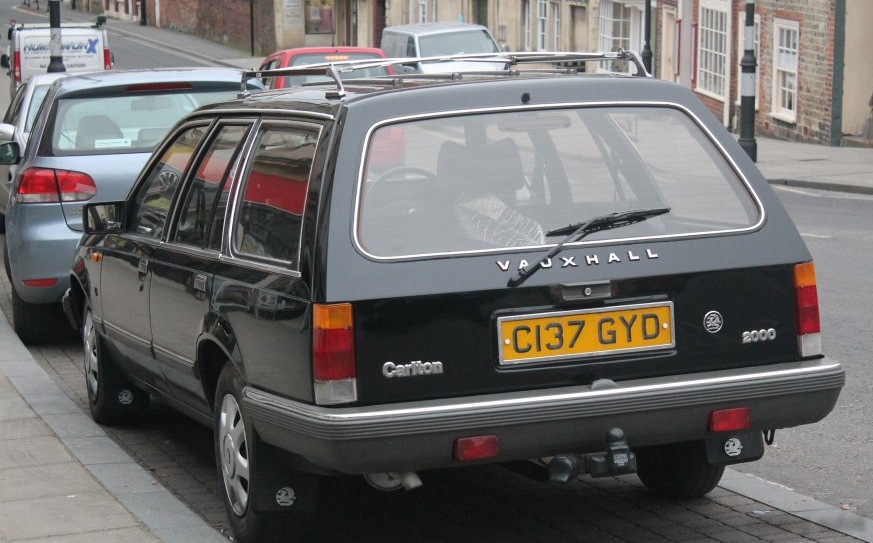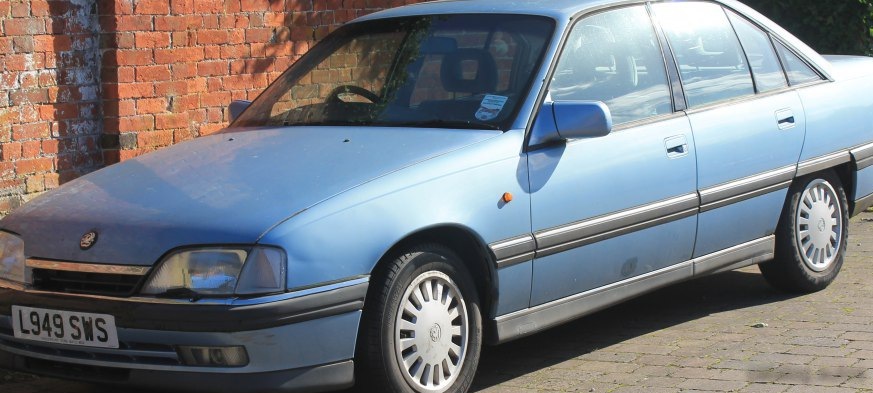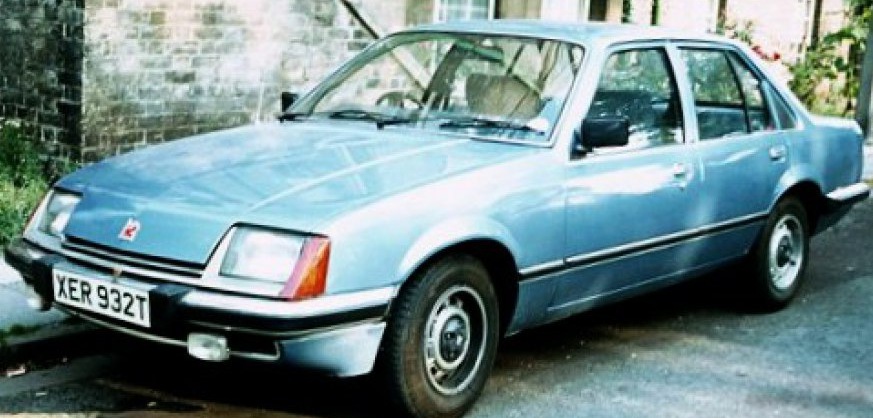
The Vauxhall Carlton Mk II 2.3 D, produced between 1983 and 1986, represented the diesel-powered entry point into the second generation of the Carlton range. Positioned as a more economical alternative to the petrol-fueled variants, the 2.3 D aimed to appeal to fleet buyers and drivers prioritizing fuel efficiency over outright performance. This model, built on the GM X-body platform (internally designated as the C-platform in the UK), was a key part of Vauxhall’s strategy to offer a comprehensive range of executive cars. It shared its basic structure with the Opel Senator and Opel Monza, reflecting Vauxhall’s close ties with its German sister brand.
Technical Specifications
| Brand | Vauxhall |
| Model | Carlton Mk II |
| Generation | Carlton Mk II |
| Type (Engine) | 2.3 D (71 Hp) |
| Start of production | 1983 |
| End of production | 1986 |
| Powertrain Architecture | Internal Combustion engine |
| Body type | Sedan |
| Seats | 5 |
| Doors | 4 |
| Fuel Type | Diesel |
| Power | 71 Hp |
| Engine Model/Code | 23D |
| Engine aspiration | Naturally aspirated engine |
| Engine oil capacity | 5.5 l (5.81 US qt | 4.84 UK qt) |
| Coolant capacity | 11.5 l (12.15 US qt | 10.12 UK qt) |
| Drivetrain | Rear wheel drive |
Powertrain & Engine Architecture
The heart of the Carlton 2.3 D was the 23D engine, a 2.3-liter naturally aspirated diesel inline-four cylinder. This engine, derived from a design originating from the early 1970s, was known for its robustness but not its refinement. It featured indirect injection, utilizing a Bosch rotary injection pump. This system, while effective, contributed to the engine’s characteristic diesel clatter and relatively low power output. The engine employed a simple SOHC (Single Overhead Camshaft) valvetrain, operating two valves per cylinder. The 71 horsepower peak was achieved at a relatively low 3,800 rpm, while torque, a more relevant figure for a diesel, was around 128 lb-ft. The engine was typically paired with a four-speed automatic transmission, although a five-speed manual was also available, albeit less common in this specific trim. The automatic transmission was a GM-sourced unit, known for its durability but also for its somewhat sluggish shifts compared to more modern automatics.
Driving Characteristics
The driving experience in the Carlton 2.3 D Automatic was decidedly geared towards practicality rather than excitement. Acceleration was leisurely, with a 0-60 mph time estimated to be around 14-16 seconds. The automatic transmission’s gear ratios were optimized for fuel economy, resulting in a noticeable lack of urgency when attempting to overtake or climb hills. However, the engine’s torque delivery provided reasonable pulling power once underway. The rear-wheel-drive configuration offered balanced handling, but the relatively soft suspension setup prioritized ride comfort over sporty handling. Compared to the 2.0L and 2.8L petrol versions, the 2.3 D felt significantly slower, but it offered a substantial improvement in fuel economy – a key selling point for its target audience. The manual transmission version, while offering more driver control, didn’t dramatically improve performance due to the engine’s inherent limitations.
Equipment & Trim Levels
The 2.3 D typically represented the base trim level within the Carlton Mk II range. Standard equipment included cloth upholstery, central locking, and power steering. However, features considered commonplace on higher-spec models, such as electric windows, a sunroof, and upgraded audio systems, were often optional extras. The interior was functional and well-built, reflecting the Carlton’s position as an executive car, but it lacked the luxurious appointments found in the higher-end trims. Dashboard configuration was consistent across the range, featuring a straightforward layout with clearly marked gauges. Optional extras could include upgraded trim materials, a trip computer, and alloy wheels, allowing buyers to personalize their vehicle to some extent.
Chassis & Braking
The Carlton Mk II utilized a traditional body-on-frame construction, providing a robust and durable chassis. The front suspension consisted of independent MacPherson struts, while the rear employed a live axle with trailing arms. Stabilizer bars were fitted to both the front and rear axles, helping to reduce body roll during cornering. Braking was initially provided by disc brakes on the front wheels and drum brakes on the rear. Later models saw the introduction of rear disc brakes on some trims, but the 2.3 D typically retained the rear drum setup. The braking system was adequate for the car’s weight and performance, but it lacked the stopping power of more modern braking systems.
Market Reception & Comparison
The Vauxhall Carlton 2.3 D was generally well-received as a practical and economical executive car. Critics praised its fuel efficiency and durability, but noted its lack of performance and refinement compared to its petrol-powered siblings. Compared to the 2.0L petrol version, the 2.3 D offered significantly better fuel economy (around 35-40 mpg versus 25-30 mpg for the 2.0L), but at the cost of considerable performance. The 2.8L ‘GSi’ model, with its fuel injection and higher power output, was in a completely different league, targeting a more performance-oriented buyer. The 2.3 D’s main competitors included the Ford Granada Diesel and the Rover SD1 Diesel, both of which offered similar levels of practicality and economy.
Legacy
The Carlton 2.3 D, while not the most glamorous model in the range, proved to be a reliable and durable workhorse. The 23D engine, despite its age, is known for its longevity when properly maintained. Today, these cars are relatively rare, and well-preserved examples are sought after by enthusiasts and collectors. The automatic transmission, while not particularly sophisticated, has also proven to be reasonably durable. However, finding parts can be challenging, and maintenance costs can be higher than for more common vehicles. The Carlton 2.3 D represents a snapshot of 1980s British motoring – a time when fuel efficiency and practicality were often prioritized over outright performance.