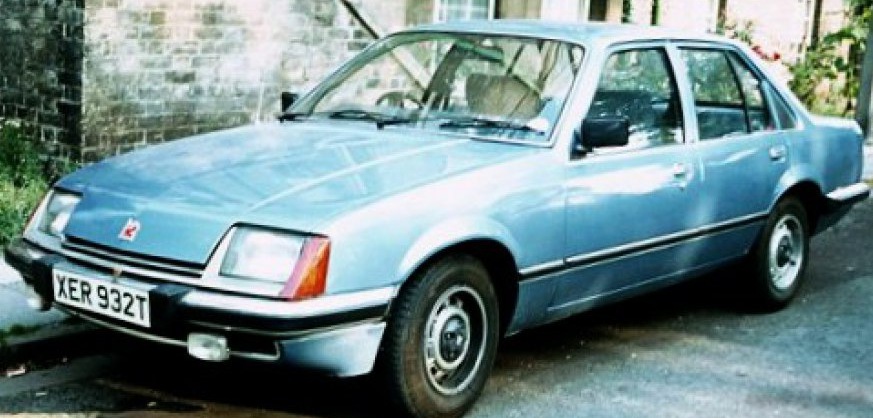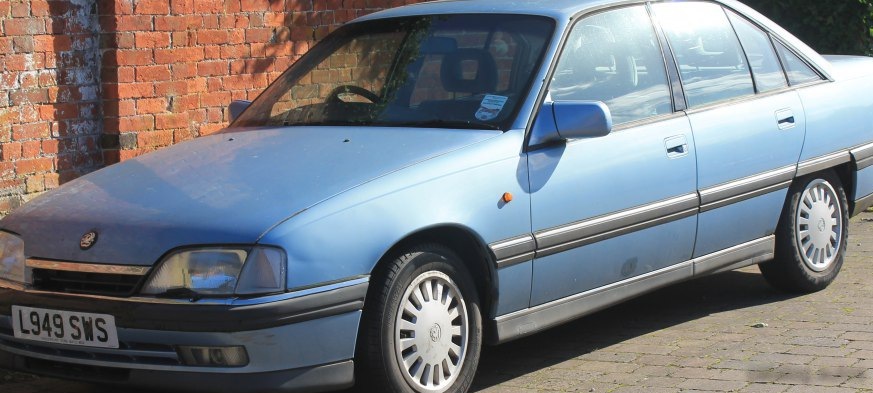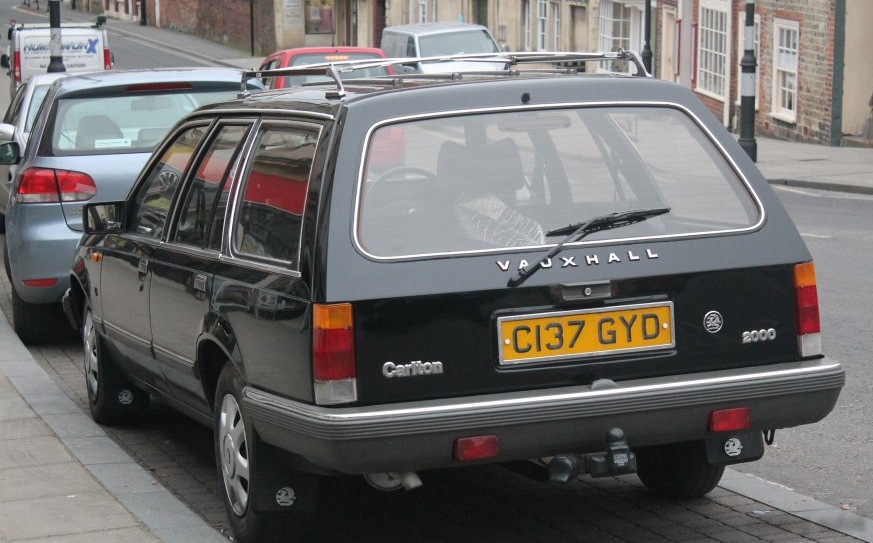
The Vauxhall Carlton Mk II Estate (facelift 1982) 2.0 S, producing 100 horsepower, represented a practical and relatively affordable entry point into the Carlton estate range. Produced between 1982 and 1986, this variant occupied a middle ground within the Mk II lineup, offering a balance between fuel economy, practicality, and a degree of comfort. It was part of the broader Carlton Mk II generation (designated as the C-series), which aimed to provide a spacious and well-equipped family car, competing with rivals like the Ford Granada and Rover SD1. The facelift in 1982 brought subtle styling updates and refinements to the existing Mk II platform, enhancing its appeal in the UK market.
Technical Specifications
| Brand | Vauxhall |
| Model | Carlton Mk II Estate (facelift 1982) |
| Type (Engine) | 2.0 S (100 Hp) |
| Start of production | 1982 |
| End of production | 1986 |
| Powertrain Architecture | Internal Combustion engine |
| Body type | Station wagon (estate) |
| Seats | 5 |
| Doors | 5 |
| Fuel Type | Petrol (Gasoline) |
| Power | 100 Hp |
| Engine Model/Code | 20S |
| Engine aspiration | Naturally aspirated engine |
| Engine oil capacity | 3.8 l (4.02 US qt | 3.34 UK qt) |
| Coolant capacity | 6.1 l (6.45 US qt | 5.37 UK qt) |
| Drivetrain Architecture | Rear wheel drive |
Powertrain & Engine Architecture
The 2.0 S variant was powered by Vauxhall’s 2.0-liter, naturally aspirated inline-four cylinder engine, designated the 20S. This engine was a development of the earlier OHC (Overhead Camshaft) designs, featuring a single overhead camshaft operating two valves per cylinder. Fuel delivery was managed by a Bosch K-Jetronic mechanical fuel injection system, a relatively sophisticated setup for the time, contributing to improved fuel efficiency and reduced emissions compared to carbureted engines. The engine produced 100 horsepower at approximately 5200 rpm and around 125 lb-ft of torque at 3200 rpm. The engine block was cast iron, providing durability, while the cylinder head was aluminum. The automatic transmission offered with this model was typically a three-speed Hydramatic unit, sourced from General Motors. This transmission was known for its smooth operation but wasn’t particularly fuel-efficient by modern standards.
Driving Characteristics
The Carlton 2.0 S Automatic offered a comfortable, if not particularly sporty, driving experience. The three-speed automatic transmission, while smooth, resulted in relatively leisurely acceleration. Zero to sixty mph times were typically in the 11-12 second range. The gear ratios were geared towards cruising comfort rather than outright performance. The rear-wheel-drive layout provided balanced handling, but the relatively soft suspension setup prioritized ride quality over sharp cornering. Compared to the manual transmission versions of the 2.0 S, the automatic suffered a noticeable performance penalty. The higher-output 2.8-liter ‘six’ and the later 2.0 ‘E’ fuel-injected models offered significantly more performance, but at a higher price point. The automatic transmission also diminished fuel economy compared to the manual, averaging around 22-26 mpg in mixed driving conditions.
Equipment & Trim Levels
The 2.0 S trim level positioned itself as a mid-range offering within the Carlton Estate lineup. Standard equipment typically included cloth upholstery, central locking, electric front windows, and a basic stereo system. The dashboard featured a straightforward layout with analog gauges for speed, fuel level, coolant temperature, and battery voltage. Optional extras included a sunroof, upgraded stereo systems, and higher-quality interior trim materials. The exterior featured body-colored bumpers and door handles, and often came with a vinyl roof option. The interior trim was generally functional and durable, reflecting the car’s intended role as a practical family vehicle. The 2.0 S lacked some of the luxury features found in the higher-spec GL and GSI models, such as leather upholstery and more advanced audio systems.
Chassis & Braking
The Carlton Mk II Estate utilized a traditional body-on-frame construction, providing a robust and durable chassis. The front suspension consisted of independent wishbones and coil springs, while the rear suspension employed a live axle with trailing arms and coil springs. Braking was initially specified with disc brakes on the front wheels and drum brakes on the rear. Later models often featured all-round disc brakes, improving stopping performance. The steering was a power-assisted rack and pinion system, providing relatively light and precise steering feel. Stabilizer bars were fitted to both the front and rear axles to reduce body roll during cornering. The suspension was tuned for comfort, resulting in a relatively soft ride, but it could feel somewhat wallowy when pushed hard.
Market Reception & Comparison
The Vauxhall Carlton 2.0 S Automatic was generally well-received by UK motoring press as a practical and comfortable estate car. Critics praised its spacious interior, comfortable ride, and relatively affordable price. However, the automatic transmission was often criticized for its lack of responsiveness and its impact on fuel economy. Compared to the manual transmission versions, the automatic was seen as a more relaxed but less engaging driving experience. Against rivals like the Ford Granada Estate and Rover SD1 Estate, the Carlton offered a good balance of features and value. The Granada was often considered more refined, while the Rover offered a more distinctive and luxurious interior. The Carlton’s Bosch K-Jetronic fuel injection system was seen as a positive feature, contributing to improved fuel efficiency and reduced emissions compared to some of its competitors.
Legacy
The Vauxhall Carlton Mk II Estate 2.0 S Automatic, while not the most exciting variant in the lineup, proved to be a reliable and durable family car. The 20S engine, when properly maintained, is known for its longevity. The Hydramatic automatic transmission, while not particularly fuel-efficient, is generally robust. Today, these cars are relatively rare and are gaining a following among classic car enthusiasts. Parts availability can be a challenge, but many components are still available through specialist suppliers. The 2.0 S Automatic represents a good entry point into Carlton ownership, offering a comfortable and practical classic car experience. Values for well-maintained examples are steadily increasing, reflecting the growing appreciation for this often-overlooked British estate car.