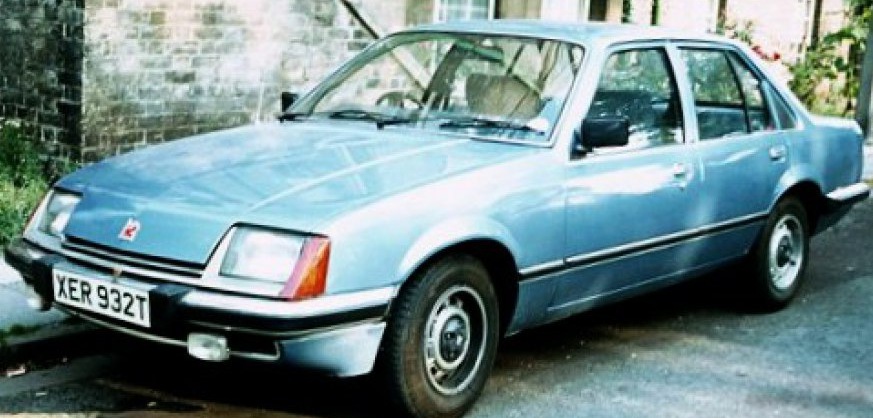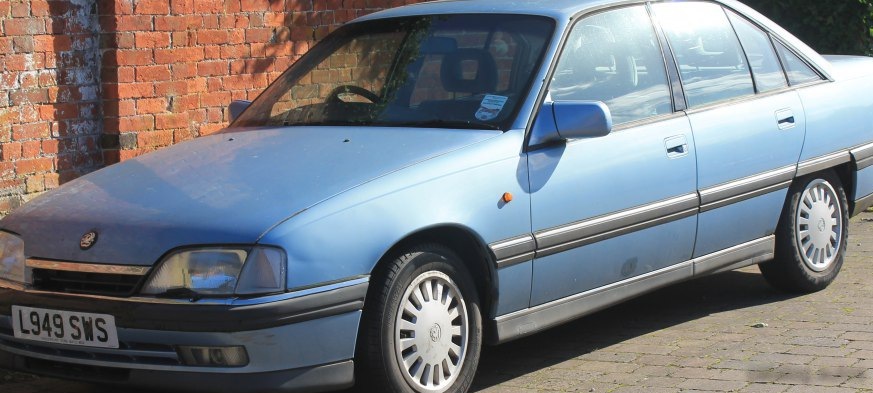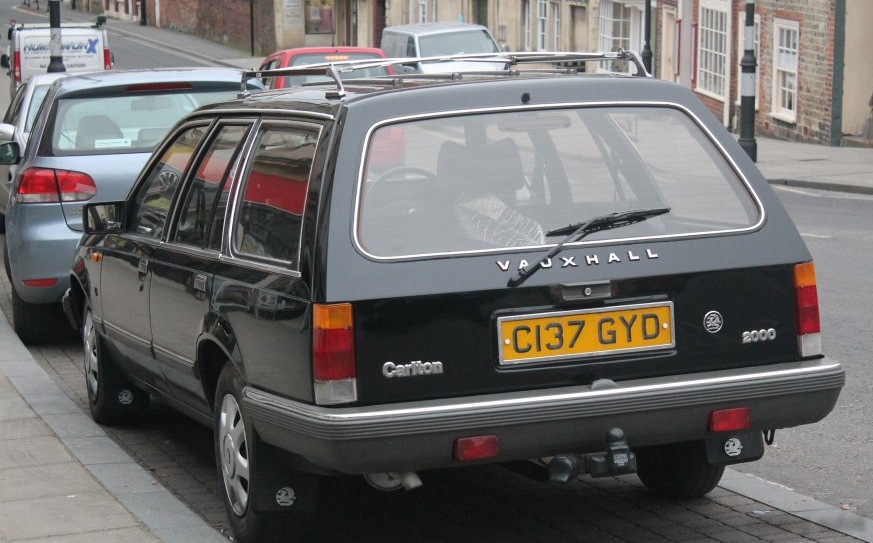
The Vauxhall Carlton Mk II Estate (facelift 1982) 2.2 i, producing 115 horsepower, represented a significant offering in the British executive car market during its 1984-1986 production run. Positioned as a mid-range variant within the Carlton Mk II Estate lineup, it aimed to balance practicality with a degree of performance and refinement. This facelifted version of the Mk II, introduced in 1982, featured updated styling and mechanical improvements over the original Mk II, solidifying the Carlton’s reputation as a spacious and comfortable family vehicle. The Carlton competed directly with vehicles like the Ford Granada Estate and Rover SD1 Estate, offering a blend of British engineering and a focus on rear-wheel drive dynamics.
Technical Specifications
| Brand | Vauxhall |
| Model | Carlton Mk II Estate (facelift 1982) |
| Type (Engine) | 2.2 i (115 Hp) |
| Start of production | 1984 |
| End of production | 1986 |
| Powertrain Architecture | Internal Combustion engine |
| Body type | Station wagon (estate) |
| Seats | 5 |
| Doors | 5 |
| Fuel Type | Petrol (Gasoline) |
| Power | 115 Hp |
| Engine aspiration | Naturally aspirated engine |
| Engine oil capacity | 3.8 l (4.02 US qt | 3.34 UK qt) |
| Coolant capacity | 10 l (10.57 US qt | 8.8 UK qt) |
| Drivetrain | Rear wheel drive |
Powertrain & Engine Architecture
The 2.2-liter inline-four engine, designated as the 22NE, was the heart of this Carlton variant. It was a naturally aspirated engine featuring a cast iron block and an aluminum cylinder head. Fuel delivery was managed by Bosch K-Jetronic mechanical fuel injection, a system known for its reliability and relatively precise metering, though less sophisticated than later electronic systems. The engine employed a single overhead camshaft (SOHC) valvetrain with two valves per cylinder. This configuration provided a good balance between power output and mechanical simplicity. The 115 horsepower peak was achieved at approximately 5200 rpm, with torque figures around 138 lb-ft at 3600 rpm. The engine was mated to a three-speed automatic transmission, a Borg Warner unit, which was a common choice for Vauxhall at the time. This transmission was selected for its smoothness and ease of use, catering to buyers prioritizing comfort over outright performance.
Driving Characteristics
The 2.2 i automatic Carlton Estate offered a comfortable, if not particularly sporty, driving experience. The automatic transmission, while smooth, did detract from the engine’s potential. Gear ratios were optimized for cruising rather than rapid acceleration. The rear-wheel drive layout provided balanced handling, typical of British cars of the era, but the relatively soft suspension tuning prioritized ride comfort over sharp cornering. Acceleration from 0 to 60 mph was estimated to be around 11-12 seconds, making it competitive with other estates in its class, but noticeably slower than the manual transmission versions or the higher-powered 2.8-liter variants. The automatic transmission did impact fuel economy, typically returning around 20-24 mpg in mixed driving conditions.
Equipment & Trim Levels
The 2.2 i Estate typically came equipped with a reasonable level of standard features for the time. Interior appointments included cloth upholstery, often in a patterned design, and a woodgrain effect dashboard trim. Power steering was standard, a welcome feature given the car’s size. Other standard equipment included central locking, electric front windows, and a basic stereo system. Optional extras included a sunroof, upgraded stereo systems, and leather upholstery. The trim level sat comfortably in the middle of the Carlton Estate range, offering more features than the base models but lacking the luxury appointments of the top-of-the-line versions. The interior space was a key selling point, offering ample room for passengers and luggage.
Chassis & Braking
The Carlton Mk II Estate utilized a traditional body-on-frame construction, providing a robust and durable chassis. The front suspension consisted of independent wishbones and coil springs, while the rear suspension employed a live axle with trailing arms and coil springs. This setup prioritized ride comfort and load-carrying capacity. Braking was initially provided by disc brakes on the front wheels and drum brakes on the rear. Later models saw the introduction of rear disc brakes as standard equipment, improving stopping performance. The steering was a recirculating ball system, offering a relatively heavy but precise feel. Stabilizer bars were fitted to both the front and rear axles to reduce body roll during cornering.
Market Reception & Comparison
The Vauxhall Carlton Mk II Estate 2.2 i was generally well-received by the British motoring press. Critics praised its spacious interior, comfortable ride, and practical estate body style. However, the automatic transmission was often criticized for its lack of responsiveness and its impact on fuel economy. Compared to the manual transmission versions, the 2.2 i automatic offered less engaging driving experience. The 2.8-liter ‘GSi’ models provided significantly more performance, but at a higher price point. The 2.0-liter versions offered better fuel economy, but with less power. The 2.2 i automatic struck a balance between these extremes, appealing to buyers who prioritized comfort and convenience over outright performance.
Legacy
The Vauxhall Carlton Mk II Estate 2.2 i, while not the most sought-after variant, has proven to be a relatively reliable classic car. The 22NE engine is known for its durability, and the Borg Warner automatic transmission, while not particularly sophisticated, is generally robust. However, like all cars of this era, rust is a significant concern, particularly in areas prone to moisture. Parts availability is generally good, although some trim-specific items can be difficult to find. Today, these cars are appreciated by enthusiasts for their classic British charm, spacious interiors, and relatively affordable running costs. They represent a bygone era of rear-wheel drive estates, offering a unique driving experience that is increasingly rare in the modern automotive landscape. The 2.2 i automatic remains a viable option for those seeking a comfortable and practical classic estate car.