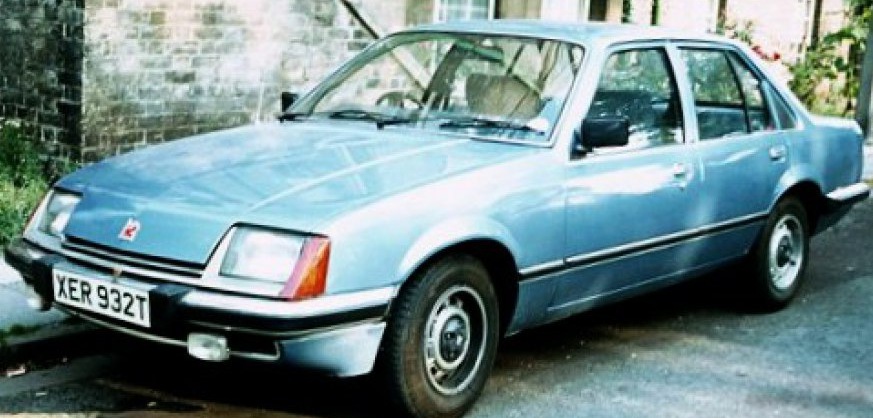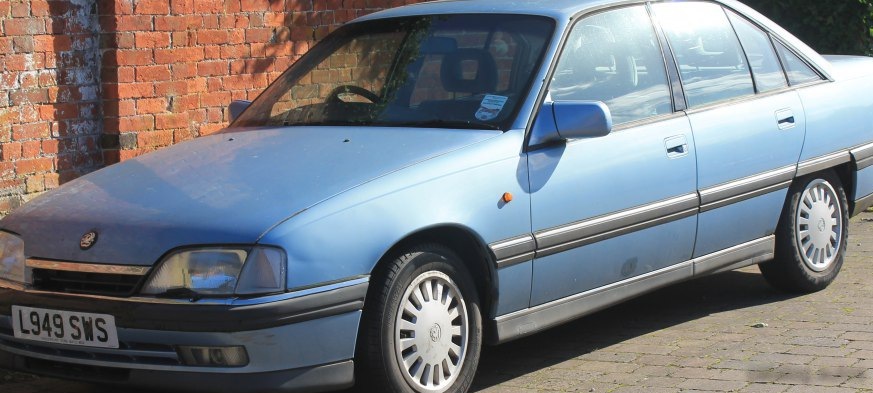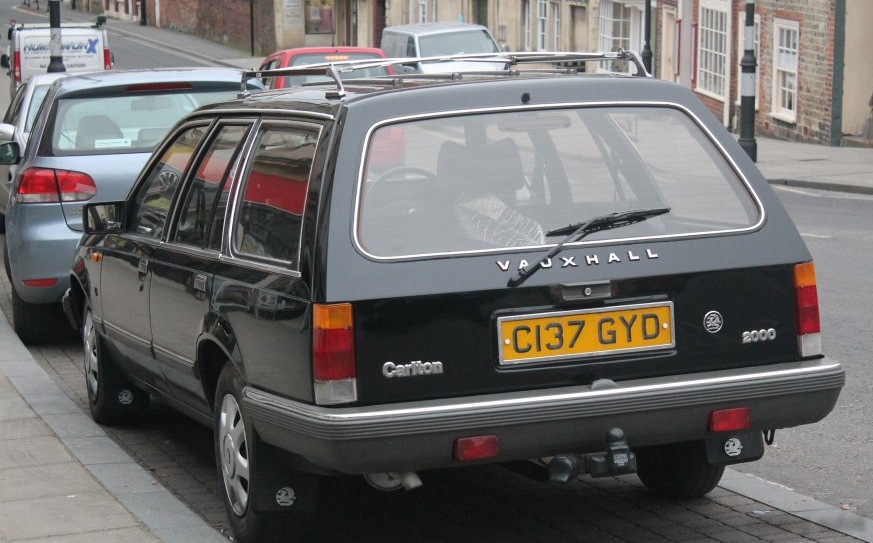
The Vauxhall Carlton Mk II Estate (facelift 1982) 2.3 D, produced from 1983 to 1986, represented a practical and economical offering within the Carlton Mk II range. Positioned as the entry-level diesel variant of the estate body style, it catered to buyers prioritizing fuel efficiency and load-carrying capacity over outright performance. This model was part of the broader Carlton Mk II generation (designated as the C-series), which aimed to provide a comfortable and spacious family car, competing with rivals like the Ford Granada and Rover SD1. The facelift in 1982 brought subtle styling updates to the Mk II, enhancing its appeal in the UK market.
Technical Specifications
| Brand | Vauxhall |
| Model | Carlton Mk II Estate (facelift 1982) |
| Type (Engine) | 2.3 D (71 Hp) |
| Start of production | 1983 |
| End of production | 1986 |
| Powertrain Architecture | Internal Combustion engine |
| Body type | Station wagon (estate) |
| Seats | 5 |
| Doors | 5 |
| Fuel Type | Diesel |
| Power | 71 Hp |
| Engine Model/Code | 23D |
| Engine aspiration | Naturally aspirated engine |
| Engine oil capacity | 5.5 l (5.81 US qt | 4.84 UK qt) |
| Coolant capacity | 11.5 l (12.15 US qt | 10.12 UK qt) |
| Drivetrain Architecture | Rear wheel drive |
Powertrain & Engine Architecture
The 2.3 D variant of the Carlton Estate was powered by a naturally aspirated, indirect injection diesel engine, designated as the 23D. This engine, while not known for its power, was valued for its durability and fuel economy. The 2290cc engine featured a robust cast iron block and head, typical of diesel engines of the era. The indirect injection system utilized a pre-combustion chamber, contributing to quieter operation compared to direct injection diesels, though at the expense of some efficiency. The engine produced 71 horsepower and a modest amount of torque, figures typical for a diesel of this displacement in the early 1980s. The engine was mated to a three-speed automatic transmission, a relatively uncommon pairing with a diesel engine at the time, and aimed to provide ease of use for drivers prioritizing convenience over performance. The automatic transmission was a Borg-Warner unit, known for its reliability but also for its relatively slow shift times.
Driving Characteristics
The driving experience in the 2.3 D Carlton Estate was defined by its relaxed pace. The 71 hp output and the three-speed automatic transmission meant acceleration was leisurely, and overtaking required careful planning. The automatic transmission’s gear ratios were optimized for fuel economy rather than spirited driving. The rear-wheel-drive configuration provided a balanced feel, but the relatively soft suspension setup prioritized ride comfort over sharp handling. Compared to the petrol-powered Carlton variants, the diesel offered significantly less power, but also substantially better fuel economy. The manual transmission versions of the 2.3 D offered slightly improved performance and driver engagement, but the automatic was favored by those seeking a more effortless driving experience. The engine was relatively noisy, a characteristic of indirect injection diesels, but provided ample low-end torque for hauling loads.
Equipment & Trim Levels
The 2.3 D Carlton Estate typically came with a fairly basic level of equipment, reflecting its position as the entry-level diesel model. Standard features generally included cloth upholstery, a basic stereo system, and manual windows and door locks. The dashboard layout was functional and straightforward, with clearly marked gauges. Optional extras included a sunroof, upgraded stereo systems, and central locking. The interior trim was generally durable and practical, designed to withstand the rigors of family use. The estate body style offered a generous amount of cargo space, making it ideal for families or those needing to transport large items. The trim level was generally consistent across the 2.3 D models, with limited opportunities for customization.
Chassis & Braking
The Carlton Mk II Estate utilized a traditional body-on-frame construction, providing a robust and durable chassis. The suspension consisted of independent front suspension with MacPherson struts and a live axle rear suspension with trailing arms. The rear axle was equipped with drum brakes, while the front wheels featured disc brakes. Stabilizer bars were fitted to both the front and rear axles, helping to reduce body roll during cornering. The steering was power-assisted, making it relatively easy to maneuver, even at low speeds. The braking system, while adequate for normal driving conditions, lacked the stopping power of more modern systems. The suspension was tuned for comfort, providing a smooth ride over uneven surfaces, but at the expense of precise handling.
Market Reception & Comparison
The Vauxhall Carlton 2.3 D Estate was generally well-received by buyers seeking a practical and economical estate car. Critics praised its fuel efficiency and spacious interior, but noted its lack of performance. Compared to the petrol-powered Carlton variants, the diesel offered significantly lower running costs, but also a less engaging driving experience. The 2.3 D was often compared to the Ford Granada Diesel, which offered a similar level of practicality and economy. The Carlton’s estate body style was a key selling point, providing a versatile and spacious cargo area. The automatic transmission, while convenient, was sometimes criticized for its slow shift times and impact on fuel economy. Overall, the 2.3 D Carlton Estate filled a niche in the market for buyers prioritizing practicality and economy over performance.
Legacy
The 2.3 D Carlton Estate, while not a particularly glamorous or high-performance vehicle, has proven to be a surprisingly durable and reliable classic. The 23D diesel engine, when properly maintained, is known for its longevity. Today, these cars are relatively rare, and well-maintained examples are sought after by enthusiasts and collectors. The automatic transmission, while not as desirable as the manual, remains relatively reliable. The Carlton’s spacious interior and practical estate body style continue to appeal to those seeking a classic family car. Parts availability can be a challenge, but a dedicated network of Vauxhall enthusiasts and specialists exists to support owners. The 2.3 D Carlton Estate represents a significant piece of British automotive history, embodying the practicality and durability of cars from the 1980s.