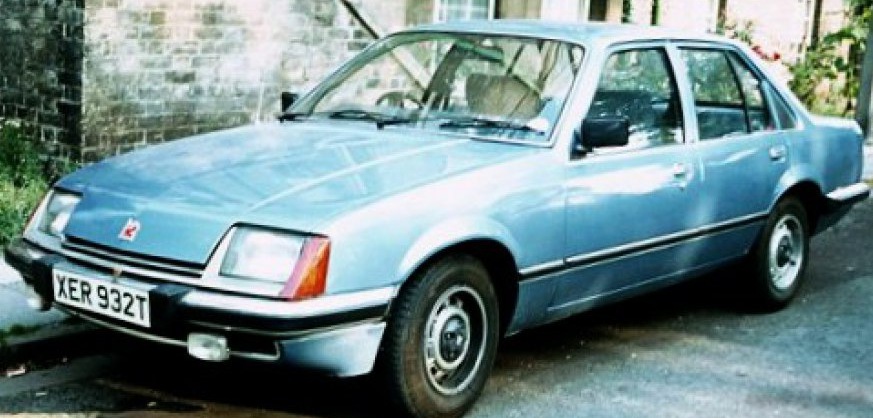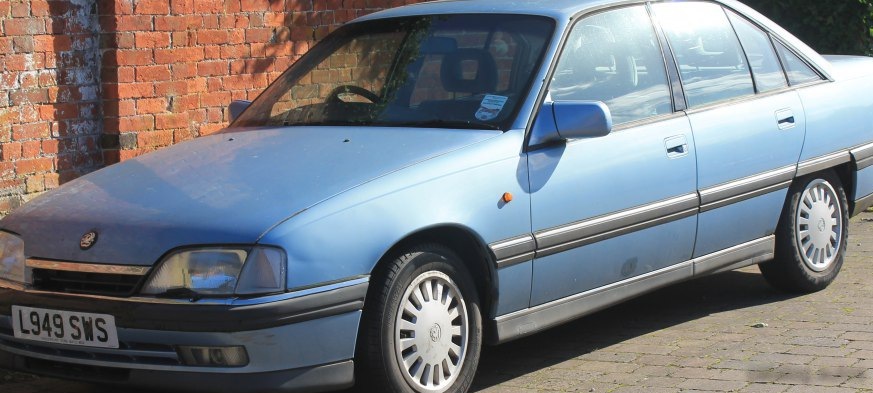
The Vauxhall Carlton Mk III 1.8 S (88 hp) was a variant of the Carlton Mk III, produced between 1987 and 1994. Positioned as an entry-level model within the Mk III range, it offered a more affordable route into the large executive car segment. The Carlton Mk III, based on the Opel Omega B in mainland Europe, represented a significant step up in size and sophistication compared to its predecessor. This particular 1.8-liter version aimed to balance practicality with reasonable running costs, appealing to buyers who prioritized value over outright performance. It was a key part of Vauxhall’s lineup during a period of increasing competition in the UK’s executive car market.
Technical Specifications
| Brand | Vauxhall |
| Model | Carlton Mk III |
| Generation | Carlton Mk III |
| Type (Engine) | 1.8 S (88 Hp) |
| Start of production | 1987 |
| End of production | 1994 |
| Powertrain Architecture | Internal Combustion engine |
| Body type | Sedan |
| Seats | 5 |
| Doors | 4 |
| Fuel Type | Petrol (Gasoline) |
| Power | 88 Hp |
| Engine Model/Code | E18NVR |
| Engine aspiration | Naturally aspirated engine |
| Engine oil capacity | 4.5 l (4.76 US qt | 3.96 UK qt) |
| Coolant capacity | 6.4 l (6.76 US qt | 5.63 UK qt) |
| Trunk (boot) space – minimum | 520 l (18.36 cu. ft.) |
| Trunk (boot) space – maximum | 870 l (30.72 cu. ft.) |
| Fuel tank capacity | 75 l (19.81 US gal | 16.5 UK gal) |
| Length | 4768 mm (187.72 in.) |
| Width | 1812 mm (71.34 in.) |
| Width including mirrors | 1933 mm (76.1 in.) |
| Height | 1435 mm (56.5 in.) |
| Wheelbase | 2730 mm (107.48 in.) |
| Drivetrain Architecture | Rear wheel drive |
Powertrain & Engine Architecture
The 1.8 S variant was powered by the E18NVR engine, an 1799 cc naturally aspirated four-cylinder petrol engine. This engine featured a single overhead camshaft (SOHC) valvetrain with two valves per cylinder. Fuel delivery was managed by Bosch Mono-Jetronic fuel injection, a system known for its simplicity and reliability, though less sophisticated than multi-point injection systems found in higher-spec Carltons. The engine produced 88 horsepower and approximately 138 lb-ft of torque. The transmission paired with this engine was a four-speed automatic gearbox, offering smooth but not particularly sporty shifts. This automatic transmission was a General Motors unit, commonly found in various Opel and Vauxhall models of the era. The engine block was constructed from cast iron, contributing to its durability, while the cylinder head was made of aluminum alloy.
Driving Characteristics
The Carlton 1.8 S Automatic offered a comfortable, if uninspiring, driving experience. Acceleration was modest, with a 0-60 mph time estimated around 12-13 seconds. The four-speed automatic transmission, while providing convenience, did detract from performance, with noticeable gear changes and a tendency to hunt for the right gear under hard acceleration. The gear ratios were geared towards fuel efficiency and cruising comfort rather than outright speed. Compared to the more powerful 2.0-liter and V6 versions of the Carlton, the 1.8 S felt noticeably slower, particularly when overtaking. However, it provided adequate power for everyday driving and was well-suited to long journeys. The rear-wheel-drive configuration offered balanced handling, but the relatively soft suspension setup prioritized ride comfort over sharp cornering.
Equipment & Trim Levels
The 1.8 S trim level represented the entry point to the Carlton Mk III range. Standard equipment included central locking, electric front windows, and a basic stereo system. Interior upholstery was typically cloth, available in a range of muted colors. The dashboard layout was functional and straightforward, with clear instrumentation. Optional extras included a sunroof, upgraded stereo systems, and alloy wheels. Air conditioning was also available as an option, though not standard. The trim level aimed to provide essential comfort and convenience features without the added expense of more luxurious appointments found in higher-spec models like the GLS or GSi.
Chassis & Braking
The Carlton Mk III featured independent suspension all around, with MacPherson struts at the front and a semi-trailing arm setup at the rear. The 1.8 S variant typically used smaller diameter wheels and tires compared to higher-spec models, contributing to a softer ride. Braking was initially provided by disc brakes at the front and drum brakes at the rear. Later models saw the introduction of rear disc brakes on some variants, but the 1.8 S generally retained the drum brake setup. Anti-lock braking (ABS) was not standard on the 1.8 S, but was available as an optional extra. The steering was power-assisted, providing light and easy maneuverability.
Market Reception & Comparison
The Vauxhall Carlton 1.8 S Automatic was generally well-received as a practical and affordable executive car. Critics praised its spacious interior, comfortable ride, and reasonable fuel economy. However, the engine’s lack of outright power was a common criticism, particularly when compared to rivals like the Ford Granada and Rover 800. Fuel economy was around 25-30 mpg, depending on driving conditions. Compared to the 2.0-liter Carlton, the 1.8 S offered lower running costs but significantly reduced performance. The 1.8 S appealed to buyers who prioritized value and practicality over sporty driving dynamics. It was often chosen by company car drivers and families seeking a spacious and reliable vehicle.
Legacy
The Carlton 1.8 S, while not the most sought-after variant of the Mk III range, has proven to be a relatively reliable and durable classic car. The E18NVR engine is known for its robustness, and the four-speed automatic transmission, while not particularly advanced, is generally dependable. Parts availability is reasonable, although some trim-specific components can be difficult to find. Today, the Carlton 1.8 S represents an affordable entry point into classic Vauxhall ownership, offering a comfortable and spacious driving experience reminiscent of the late 1980s and early 1990s. Its simplicity and relatively low maintenance costs make it an appealing option for enthusiasts and classic car collectors alike. The car’s enduring appeal lies in its blend of practicality, comfort, and understated style.