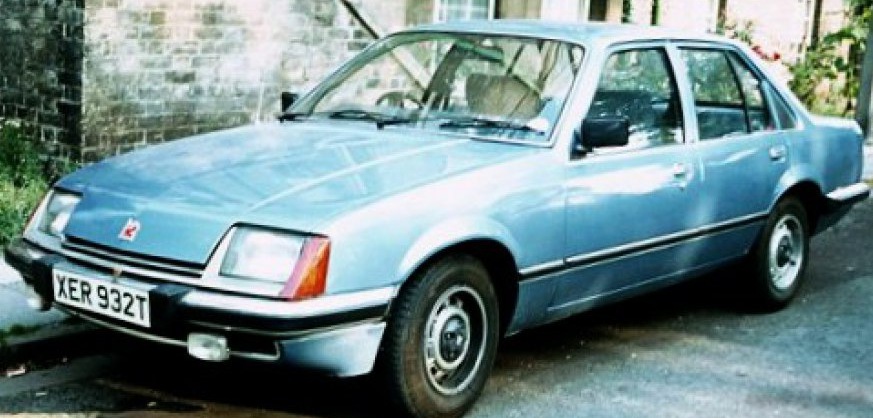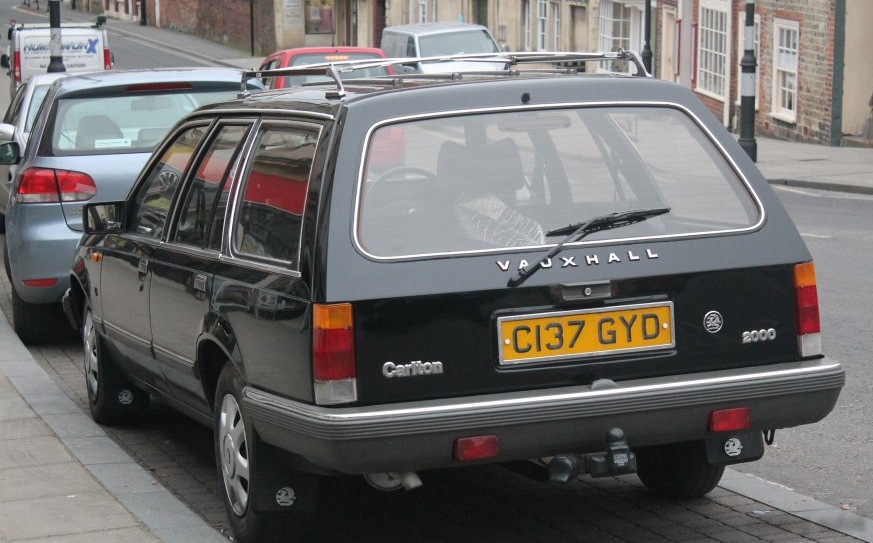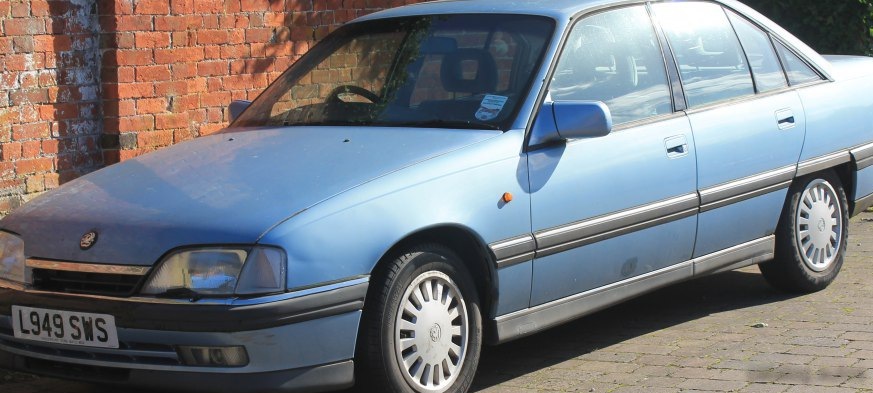
The Vauxhall Carlton Mk III 2.0 CAT (100 hp) was a mid-range variant of the third-generation Carlton, produced between 1990 and 1994. Positioned within the broader Carlton Mk III lineup – which included more powerful 2.4 and 2.8-liter engines, as well as diesel options – the 2.0 CAT served as a more economical and accessible entry point into the large executive car segment. It represented a balance between performance and fuel efficiency, aimed at buyers prioritizing comfort and practicality over outright speed. The “CAT” designation signified the inclusion of a catalytic converter, reflecting increasingly stringent emissions regulations in Europe at the time.
Technical Specifications
| Brand | Vauxhall |
| Model | Carlton Mk III |
| Type (Engine) | 2.0 CAT (100 Hp) |
| Start of production | 1990 |
| End of production | 1994 |
| Powertrain Architecture | Internal Combustion engine |
| Body type | Sedan |
| Seats | 5 |
| Doors | 4 |
| Fuel Type | Petrol (Gasoline) |
| Power | 100 Hp |
| Engine Model/Code | C20NEF |
| Engine aspiration | Naturally aspirated engine |
| Engine oil capacity | 4.5 l (4.76 US qt | 3.96 UK qt) |
| Coolant capacity | 6 l (6.34 US qt | 5.28 UK qt) |
| Trunk (boot) space – minimum | 520 l (18.36 cu. ft.) |
| Trunk (boot) space – maximum | 870 l (30.72 cu. ft.) |
| Fuel tank capacity | 75 l (19.81 US gal | 16.5 UK gal) |
| Length | 4768 mm (187.72 in.) |
| Width | 1812 mm (71.34 in.) |
| Width including mirrors | 1933 mm (76.1 in.) |
| Height | 1435 mm (56.5 in.) |
| Wheelbase | 2730 mm (107.48 in.) |
| Drivetrain Architecture | Rear wheel drive |
Powertrain & Engine Architecture
The Carlton 2.0 CAT was powered by the C20NEF engine, a 1998cc (2.0-liter) naturally aspirated inline-four cylinder. This engine was a mainstay in various Vauxhall and Opel models during the late 1980s and early 1990s. It featured a cast iron block and an aluminum cylinder head, employing a single overhead camshaft (SOHC) design with two valves per cylinder. Fuel delivery was managed by Bosch Motronic fuel injection, a system known for its reliability and relatively simple operation. The engine produced 100 horsepower (74 kW) and approximately 132 lb-ft (180 Nm) of torque.
The transmission paired with the C20NEF in the 2.0 CAT was a four-speed automatic gearbox. This transmission, while providing convenience, was not known for its particularly quick shifts or sporty feel. It was geared towards smooth operation and fuel economy rather than performance. The rear-wheel drive configuration was standard for the Carlton range, contributing to its balanced handling characteristics.
Driving Characteristics
The driving experience in the Carlton 2.0 CAT was characterized by comfort and refinement. The 100 hp engine provided adequate, but not exhilarating, performance. Acceleration from 0 to 60 mph took around 11-12 seconds, making it competitive with other executive cars of the era, but noticeably slower than the 2.4 and 2.8-liter variants. The automatic transmission, while smooth, could feel somewhat sluggish, particularly during overtaking maneuvers. The gear ratios were optimized for cruising, making it a comfortable long-distance vehicle. The rear-wheel drive layout offered a degree of handling balance, but the car’s considerable weight (around 3,300 lbs) limited its agility. Compared to the manual transmission versions of the 2.0, the automatic resulted in a slight decrease in fuel economy and a less engaging driving experience.
Equipment & Trim Levels
The 2.0 CAT trim level typically included features such as central locking, electric windows, and a basic stereo system. Interior upholstery was generally cloth, although leather options were available as an extra cost. The dashboard layout was functional and straightforward, with clearly labeled controls. Air conditioning was often included as standard or an optional extra. Higher-spec Carlton models offered features like power-adjustable seats, upgraded sound systems, and more luxurious interior trim materials. The 2.0 CAT aimed for a balance of features, providing a comfortable and well-equipped interior without the premium price tag of the higher-end trims.
Chassis & Braking
The Carlton Mk III utilized a MacPherson strut front suspension and a semi-trailing arm rear suspension. This setup provided a comfortable ride, absorbing bumps and imperfections in the road effectively. The 2.0 CAT typically featured front disc brakes and rear drum brakes. While adequate for normal driving conditions, the rear drum brakes were a point of criticism compared to the all-disc setups found on the more powerful Carlton variants. Stabilizer bars were fitted to both the front and rear axles to reduce body roll during cornering. The steering was power-assisted, providing light and easy steering feel.
Market Reception & Comparison
The Vauxhall Carlton 2.0 CAT was generally well-received as a practical and comfortable executive car. Critics praised its spacious interior, comfortable ride, and relatively affordable price point. However, the engine’s performance was often considered adequate rather than exciting, and the automatic transmission was sometimes criticized for its lack of responsiveness. Compared to the 2.4 and 2.8-liter models, the 2.0 CAT offered better fuel economy, but at the expense of performance. It competed with other large executive cars such as the Ford Granada, Rover 800, and BMW 5 Series. The 2.0 CAT appealed to buyers who prioritized comfort, practicality, and value for money over outright performance.
Legacy
The C20NEF engine, found in the Carlton 2.0 CAT, is known for its durability and relatively simple construction. With proper maintenance, these engines can reliably reach high mileages. However, like any older vehicle, they are susceptible to age-related issues such as oil leaks and corrosion. Today, the Carlton Mk III 2.0 CAT is a relatively rare sight on the roads, but it has gained a following among classic car enthusiasts. Its affordability and relatively simple mechanics make it an attractive option for those looking for a classic executive car. Parts availability can be a challenge, but many components are still available through specialist suppliers. The Carlton 2.0 CAT represents a snapshot of 1990s British motoring, offering a blend of comfort, practicality, and understated style.