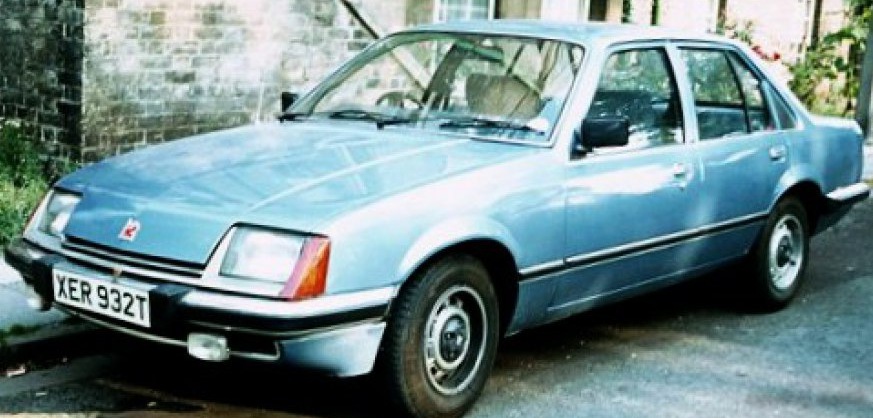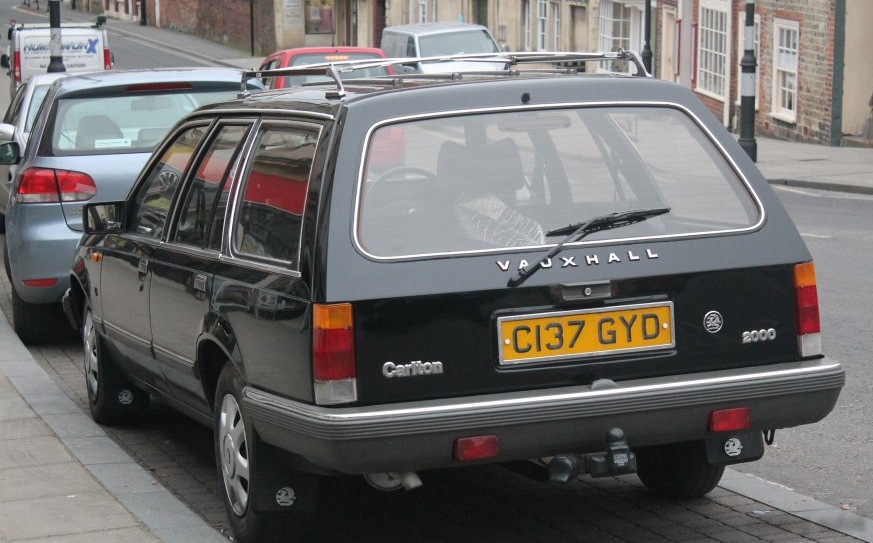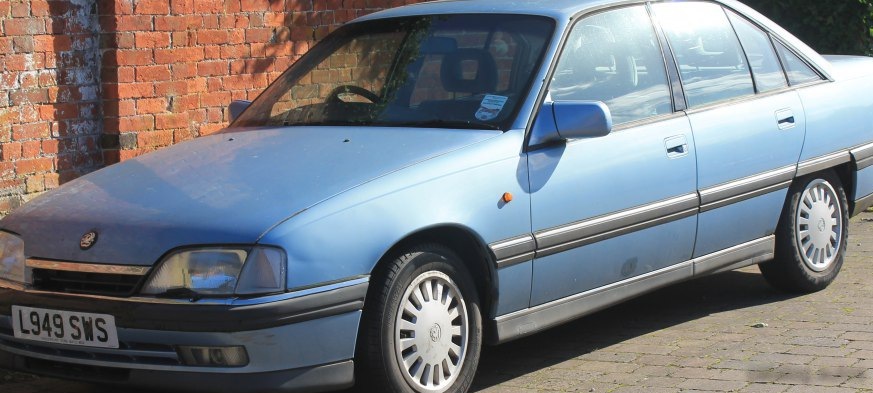
The Vauxhall Carlton Mk III 2.3 D CAT, produced between 1986 and 1994, represented the diesel-powered entry point into the third generation of the Carlton executive car. Positioned as a more economical alternative to the petrol-fueled variants, the 2.3 D CAT (catalytic converter equipped) offered a blend of comfort and practicality aimed at fleet buyers and those prioritizing fuel efficiency. It was part of the X30 series, sharing its platform with the Opel Senator and Opel Omega, reflecting Vauxhall’s then-close relationship with its German sister brand. This variant, with its modest 73 horsepower, played a significant role in maintaining the Carlton’s presence in the large family car segment throughout the late 1980s and early 1990s.
Technical Specifications
| Brand | Vauxhall |
| Model | Carlton Mk III |
| Type (Engine) | 2.3 D CAT (73 Hp) |
| Start of production | 1986 |
| End of production | 1994 |
| Powertrain Architecture | Internal Combustion engine |
| Body type | Sedan |
| Seats | 5 |
| Doors | 4 |
| Fuel Type | Diesel |
| Power | 73 Hp |
| Engine Model/Code | 23YD |
| Engine aspiration | Naturally aspirated engine |
| Engine oil capacity | 5.5 l (5.81 US qt | 4.84 UK qt) |
| Coolant capacity | 10.9 l (11.52 US qt | 9.59 UK qt) |
| Trunk (boot) space – minimum | 520 l (18.36 cu. ft.) |
| Trunk (boot) space – maximum | 870 l (30.72 cu. ft.) |
| Fuel tank capacity | 75 l (19.81 US gal | 16.5 UK gal) |
| Length | 4768 mm (187.72 in.) |
| Width | 1812 mm (71.34 in.) |
| Width including mirrors | 1933 mm (76.1 in.) |
| Height | 1435 mm (56.5 in.) |
| Wheelbase | 2730 mm (107.48 in.) |
| Drivetrain Architecture | Rear wheel drive |
Powertrain & Engine Architecture
The heart of the Carlton 2.3 D CAT was the 23YD engine, a 2.3-liter inline-four diesel. This engine was a naturally aspirated, indirect injection diesel, utilizing a Bosch rotary injection pump. Indirect injection, common for diesels of this era, meant the fuel was injected into a pre-chamber before entering the main combustion chamber, resulting in quieter operation but typically lower power output compared to direct injection systems. The catalytic converter, denoted by the “CAT” in the model name, was a crucial addition for meeting increasingly stringent emissions regulations in Europe. The engine produced 73 horsepower and approximately 128 lb-ft of torque. The transmission was a three-speed automatic, a Borg-Warner unit, chosen for its smoothness and ease of use, appealing to the target market who valued comfort over outright performance. The engine’s valvetrain consisted of a single overhead camshaft operating two valves per cylinder.
Driving Characteristics
The 2.3 D CAT’s driving experience was defined by its relaxed nature. Acceleration was modest, with a 0-60 mph time estimated around 14-16 seconds. The three-speed automatic transmission, while smooth, lacked the responsiveness of a manual gearbox or a more modern automatic with additional gears. Gear ratios were optimized for fuel economy rather than spirited driving. The engine delivered its peak torque at relatively low RPMs, providing adequate pulling power for cruising on motorways and overtaking at moderate speeds. Compared to the more powerful 2.0i and 2.8i petrol variants, the diesel Carlton felt significantly slower, but it offered a substantial advantage in fuel economy. The rear-wheel-drive configuration provided balanced handling, although the relatively soft suspension setup prioritized ride comfort over sharp cornering.
Equipment & Trim Levels
The 2.3 D CAT typically represented the base trim level within the Carlton Mk III range. Standard equipment included central locking, electric front windows, and a basic stereo system. Interior upholstery was typically cloth, available in a range of muted colors. The dashboard layout was functional and straightforward, with clearly labeled controls. Optional extras included air conditioning, a sunroof, and upgraded stereo systems. Higher trim levels, such as the GLS and CD, added features like leather upholstery, alloy wheels, and more sophisticated audio systems, but these were generally paired with the more powerful petrol engines. The diesel Carlton was often chosen by company car drivers who prioritized practicality and low running costs over luxury features.
Chassis & Braking
The Carlton Mk III utilized a MacPherson strut front suspension and a semi-trailing arm rear suspension. The suspension was tuned for comfort, providing a smooth ride over uneven surfaces. The 2.3 D CAT typically featured drum brakes on the rear wheels and disc brakes on the front, a common configuration for cars in this class during the late 1980s and early 1990s. Anti-lock braking system (ABS) was available as an option, enhancing safety by preventing wheel lock-up during hard braking. Stabilizer bars were fitted to both the front and rear axles to reduce body roll during cornering, although their effectiveness was limited by the soft suspension setup. The chassis was robust and well-built, providing a solid foundation for the car’s overall stability.
Market Reception & Comparison
The Vauxhall Carlton 2.3 D CAT was generally well-received as a practical and economical executive car. Critics praised its comfortable ride, spacious interior, and fuel efficiency. However, the engine’s modest power output and the somewhat dated three-speed automatic transmission were often cited as drawbacks. Compared to the 2.0i petrol version, the diesel Carlton offered significantly better fuel economy (around 35-40 mpg compared to 25-30 mpg for the petrol), but at the cost of performance. Against rivals like the Ford Granada and Rover 800, the Carlton 2.3 D CAT offered a competitive package, particularly for those seeking a rear-wheel-drive car with a spacious interior. Its reliability was generally considered good, although diesel engines of this era required regular maintenance to prevent issues with the injection pump and fuel system.
Legacy
The Vauxhall Carlton 2.3 D CAT, while not the most glamorous or powerful variant of the Mk III, remains a relatively common sight on UK roads today. The 23YD diesel engine, when properly maintained, proved to be durable and long-lasting. However, age and mileage have taken their toll on many examples, and finding a well-preserved car can be challenging. Parts availability is generally good, although some specific components may be difficult to source. The Carlton 2.3 D CAT represents a snapshot of 1980s/early 1990s British motoring – a comfortable, practical, and economical executive car that prioritized usability over outright performance. It’s a vehicle that appeals to enthusiasts seeking a classic car with a unique character and a connection to a bygone era.