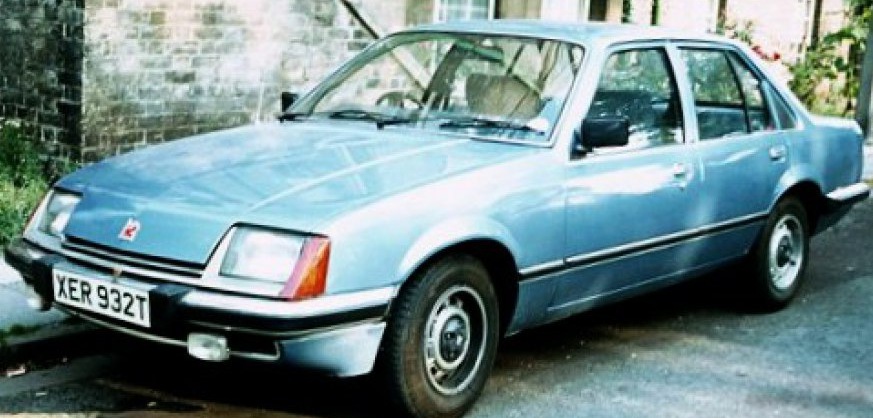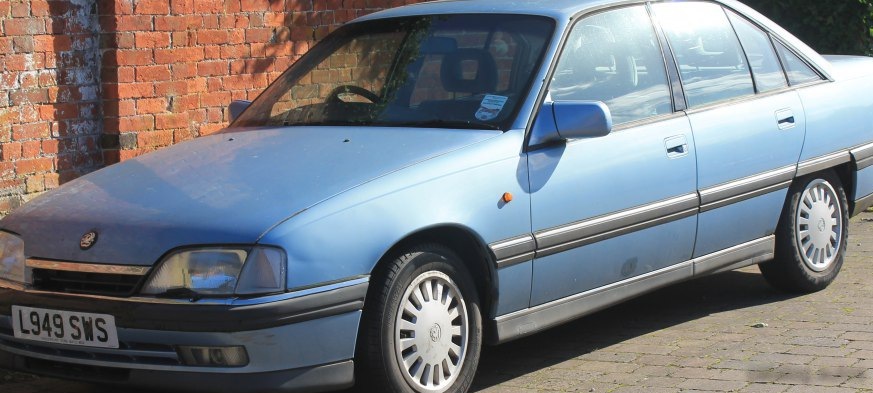
The Vauxhall Carlton Mk III 2.4i CAT, produced between 1988 and 1994, represented a significant offering in the large executive car segment for the British market. Positioned as a mid-range variant within the Mk III Carlton lineup, it slotted between the base 2.0i models and the more powerful 3.0i and GSi versions. The 2.4i CAT, denoted by its catalytic converter, aimed to balance performance with improved emissions compliance, appealing to buyers seeking a comfortable and refined saloon without the higher running costs associated with the larger engines. It was a direct competitor to cars like the Ford Granada and Rover 800.
Technical Specifications
| Brand | Vauxhall |
| Model | Carlton Mk III |
| Type (Engine) | 2.4i CAT (125 Hp) |
| Start of production | 1988 |
| End of production | 1994 |
| Powertrain Architecture | Internal Combustion engine |
| Body type | Sedan |
| Seats | 5 |
| Doors | 4 |
| Fuel Type | Petrol (Gasoline) |
| Power | 125 Hp |
| Engine Model/Code | C24NE |
| Engine aspiration | Naturally aspirated engine |
| Engine oil capacity | 4.5 l (4.76 US qt | 3.96 UK qt) |
| Coolant capacity | 7.8 l (8.24 US qt | 6.86 UK qt) |
| Trunk (boot) space – minimum | 520 l (18.36 cu. ft.) |
| Trunk (boot) space – maximum | 870 l (30.72 cu. ft.) |
| Fuel tank capacity | 75 l (19.81 US gal | 16.5 UK gal) |
| Length | 4768 mm (187.72 in.) |
| Width | 1812 mm (71.34 in.) |
| Width including mirrors | 1933 mm (76.1 in.) |
| Height | 1435 mm (56.5 in.) |
| Wheelbase | 2730 mm (107.48 in.) |
| Drivetrain | Rear wheel drive |
Powertrain & Engine Architecture
The heart of the Carlton 2.4i CAT was the C24NE engine, a 2.4-liter (2394 cc) inline-four cylinder petrol engine. This engine featured a cast iron block and an aluminum cylinder head, a common configuration for durability and weight reduction. It employed a single overhead camshaft (SOHC) design with two valves per cylinder. Fuel delivery was managed by Bosch Motronic fuel injection, a sophisticated system for its time that optimized fuel efficiency and emissions. The ‘CAT’ designation signifies the inclusion of a catalytic converter, mandated by increasingly stringent emissions regulations. The engine produced 125 horsepower at 5200 rpm and 162 lb-ft of torque at 3600 rpm. The engine was typically paired with a four-speed automatic transmission, although a five-speed manual was also available, albeit less common in this trim level. The automatic transmission was a GM-sourced unit, known for its smooth operation but not particularly sporty characteristics.
Driving Characteristics
The 2.4i CAT offered a comfortable and relaxed driving experience. The automatic transmission, while not offering rapid shifts, provided smooth gear changes suitable for long-distance cruising. Acceleration was adequate, with a 0-60 mph time of around 10-11 seconds, placing it behind the quicker 3.0i and GSi models. The rear-wheel-drive layout contributed to balanced handling, although the Carlton was a large car and didn’t possess the agility of more modern vehicles. The suspension, tuned for comfort, absorbed bumps well, making it a pleasant vehicle for everyday use. Compared to the manual transmission version, the automatic slightly diminished performance due to power losses within the gearbox, but it enhanced the car’s ease of driving, particularly in urban environments. The torque converter provided a degree of multiplication, aiding low-speed drivability.
Equipment & Trim Levels
The 2.4i CAT trim level was generally well-equipped for its time. Standard features typically included central locking, electric windows, power steering, and an adjustable steering column. Interior upholstery was usually cloth, available in a range of colors. The dashboard layout was functional and straightforward, with clear instrumentation. Optional extras included leather upholstery, a sunroof, and upgraded audio systems. Air conditioning was a popular option, particularly given the car’s size and intended use as a comfortable cruiser. The trim level aimed to provide a good balance of comfort and convenience without the premium price tag of the higher-spec models.
Chassis & Braking
The Carlton Mk III utilized a traditional body-on-frame construction, providing a robust and durable chassis. The front suspension employed independent double wishbones, while the rear suspension featured a live axle with trailing arms. Braking was initially specified with disc brakes on the front wheels and drum brakes on the rear, although later models often received rear discs as standard. Anti-lock braking system (ABS) was available as an option, enhancing safety and control, particularly in adverse weather conditions. Stabilizer bars were fitted to both the front and rear axles to reduce body roll during cornering. The suspension setup prioritized ride comfort over outright handling prowess.
Market Reception & Comparison
The Vauxhall Carlton 2.4i CAT was generally well-received by the British motoring press. Critics praised its comfortable ride, spacious interior, and relatively affordable price point. However, it was often criticized for its somewhat bland styling and lack of sporting pretensions compared to rivals like the BMW 5 Series. Fuel economy was reasonable for a car of its size and engine capacity, averaging around 24-28 mpg. Compared to the 2.0i models, the 2.4i offered a noticeable performance improvement, while remaining more economical than the 3.0i. Reliability was generally good, although the automatic transmission could be prone to issues if not properly maintained. The catalytic converter added to the initial cost but helped the car meet emissions standards, making it a more attractive option for environmentally conscious buyers.
Legacy
The Vauxhall Carlton Mk III 2.4i CAT, while not a particularly iconic or sought-after classic today, represents a solid and dependable example of a British executive saloon from the late 1980s and early 1990s. The C24NE engine proved to be a relatively robust unit, and well-maintained examples can still be found on the road. In the used car market, these cars are now relatively affordable, making them an attractive option for enthusiasts seeking a classic British saloon. Parts availability is generally good, although some trim-specific items may be difficult to source. The 2.4i CAT’s legacy lies in its ability to provide comfortable and reliable transportation for a generation of British motorists, offering a practical and well-equipped alternative to more expensive and performance-focused rivals.