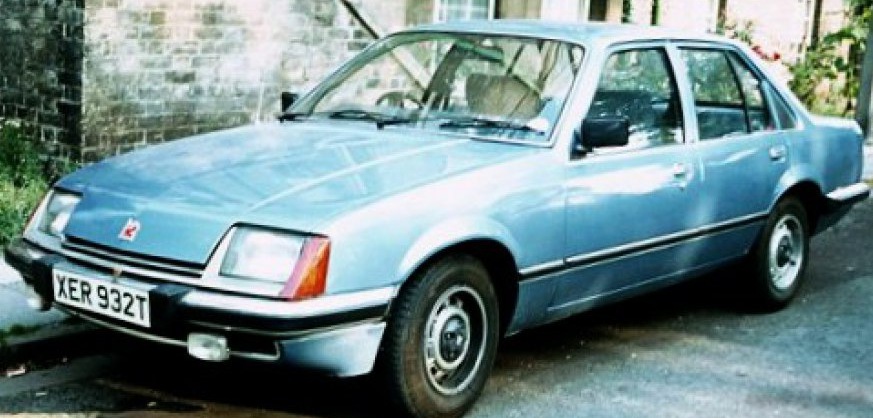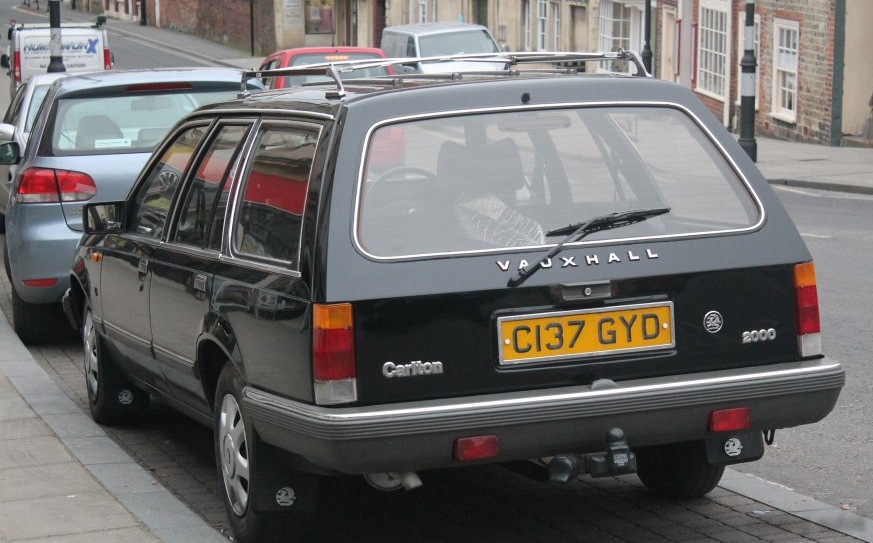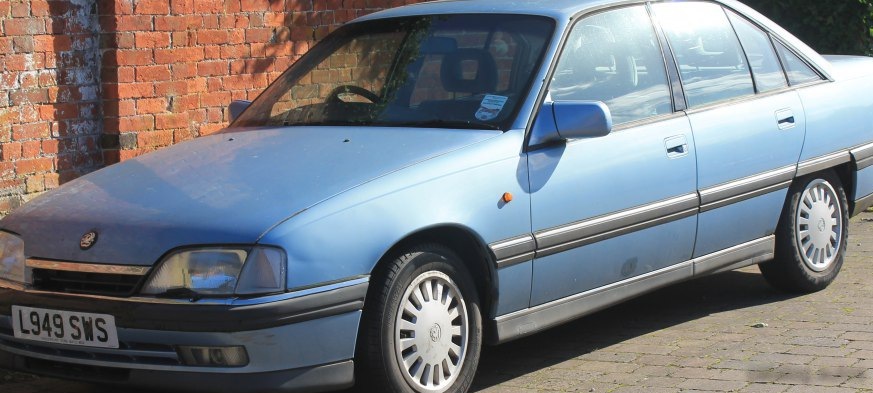
The Vauxhall Carlton Mk III 3.0 3000, produced between 1987 and 1990, represented a significant step upmarket for Vauxhall, aiming to compete with executive saloons from Ford and BMW. This variant, powered by the 30NE 3.0-liter engine producing 177 horsepower, occupied a mid-to-high position within the Mk III Carlton range. It offered a blend of performance and comfort, appealing to buyers seeking a spacious and well-equipped saloon. The Mk III Carlton was based on the GM X-body platform, shared with the Opel Omega, and represented a substantial redesign over the previous generation.
Technical Specifications
| Brand | Vauxhall |
| Model | Carlton Mk III |
| Type (Engine) | 3.0 3000 (177 Hp) |
| Start of production | 1987 |
| End of production | 1990 |
| Powertrain Architecture | Internal Combustion engine |
| Body type | Sedan |
| Seats | 5 |
| Doors | 4 |
| Fuel Type | Petrol (Gasoline) |
| Power | 177 Hp |
| Engine Model/Code | 30NE |
| Engine aspiration | Naturally aspirated engine |
| Engine oil capacity | 5.5 l (5.81 US qt | 4.84 UK qt) |
| Coolant capacity | 10.2 l (10.78 US qt | 8.97 UK qt) |
| Trunk (boot) space – minimum | 520 l (18.36 cu. ft.) |
| Trunk (boot) space – maximum | 870 l (30.72 cu. ft.) |
| Fuel tank capacity | 75 l (19.81 US gal | 16.5 UK gal) |
| Length | 4768 mm (187.72 in.) |
| Width | 1812 mm (71.34 in.) |
| Width including mirrors | 1933 mm (76.1 in.) |
| Height | 1435 mm (56.5 in.) |
| Wheelbase | 2730 mm (107.48 in.) |
| Drivetrain Architecture | Rear wheel drive |
Powertrain & Engine Architecture
The heart of the Carlton 3.0 3000 was the 30NE engine, a 2,930cc (179 cubic inch) naturally aspirated V6. This engine featured a cast iron block and aluminum cylinder heads, employing a single overhead camshaft design. Fuel delivery was managed by Bosch Motronic fuel injection, a sophisticated system for its time, contributing to improved fuel efficiency and reduced emissions compared to earlier carbureted engines. The 30NE produced 177 horsepower at 5,200 rpm and 195 lb-ft of torque at 4,000 rpm. The engine was known for its smooth operation and relatively robust construction. The transmission paired with the 3.0-liter engine was typically a four-speed automatic, although a five-speed manual was also available. The automatic transmission, a GM-sourced unit, was designed for smooth shifts and comfortable cruising, prioritizing refinement over outright performance.
Driving Characteristics
The Carlton 3.0 3000 Automatic offered a comfortable and refined driving experience. While not a sports saloon, the 177 horsepower engine provided adequate performance for effortless cruising and overtaking. The automatic transmission, while smooth, did slightly diminish acceleration compared to the manual version. The gear ratios were geared towards relaxed highway driving, with a focus on fuel economy rather than rapid acceleration. The rear-wheel-drive configuration provided balanced handling, although the Carlton’s considerable weight (around 3,500 lbs) meant it wasn’t particularly agile. Compared to the base 2.0-liter models, the 3.0 3000 offered a noticeable improvement in performance, making it a more suitable choice for long journeys and carrying a full load of passengers.
Equipment & Trim Levels
The 3.0 3000 trim level was well-equipped for its time. Standard features typically included central locking, electric windows, power steering, and an upgraded stereo system. Interior upholstery was usually cloth, although leather options were available. The dashboard featured wood trim and a comprehensive instrument cluster. Optional extras included a sunroof, air conditioning, and upgraded sound systems. The Carlton aimed for a premium feel, and the 3.0 3000 trim level reflected this ambition with its higher level of standard equipment and available options.
Chassis & Braking
The Carlton Mk III utilized a MacPherson strut front suspension and a semi-trailing arm rear suspension. The suspension was tuned for comfort, providing a smooth ride over a variety of road surfaces. Braking was initially specified with front disc brakes and rear drum brakes on the 3.0 3000, although later models often featured all-round disc brakes. Anti-lock braking system (ABS) was available as an option, enhancing safety and control. The steering was power-assisted, making it light and easy to maneuver, particularly at low speeds. Stabilizer bars were fitted front and rear to reduce body roll during cornering.
Market Reception & Comparison
The Vauxhall Carlton Mk III 3.0 3000 was generally well-received by automotive critics. It was praised for its spacious interior, comfortable ride, and refined engine. However, some critics noted its relatively high price compared to competitors like the Ford Granada and Rover 800. Fuel economy, while reasonable for a 3.0-liter engine of the era, was not a strong point. Compared to the 2.0-liter Carlton models, the 3.0 3000 offered significantly improved performance and a more luxurious driving experience, justifying the higher price tag for many buyers. The manual transmission version of the 3.0 3000 was favored by enthusiasts for its more engaging driving experience.
Legacy
The Vauxhall Carlton Mk III 3.0 3000, while not a particularly rare classic today, holds a certain appeal for collectors and enthusiasts. The 30NE engine is generally considered to be a reliable unit, although regular maintenance is essential. Parts availability can be a challenge, as with many cars of this era. The Carlton’s spacious interior and comfortable ride continue to be appreciated by owners. In the used car market, well-maintained examples of the 3.0 3000 command a premium over the lower-spec models. The Carlton represents a significant chapter in Vauxhall’s history, showcasing the company’s ambition to compete in the executive saloon segment.