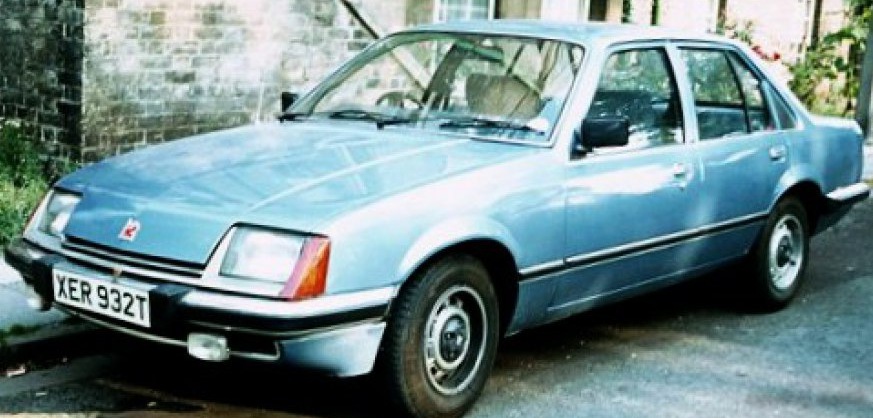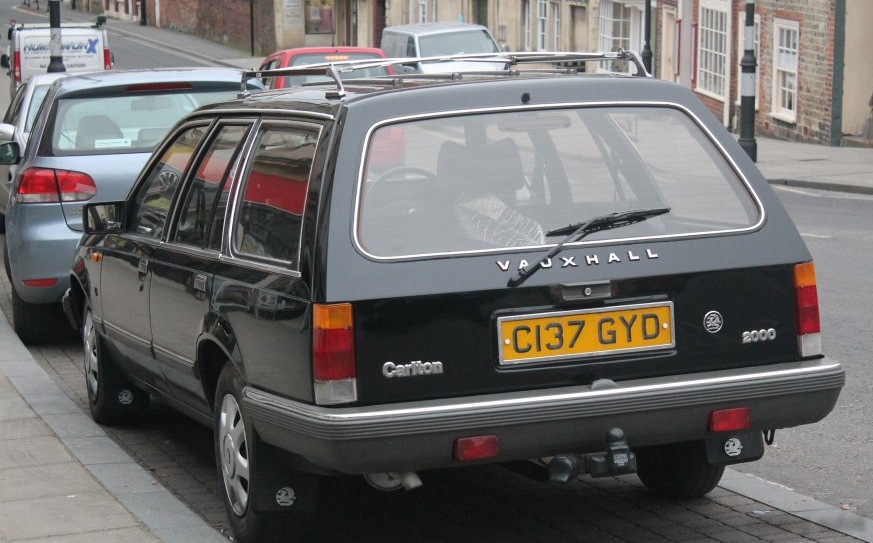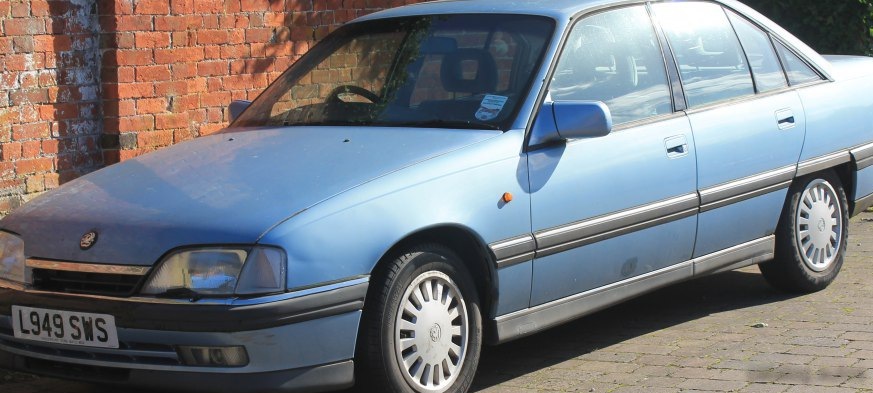
The Vauxhall Carlton Mk III 3.0 24V, produced between 1989 and 1994, represented the pinnacle of the Carlton range. Positioned as the flagship model, it offered a blend of luxury, performance, and technology aimed at the executive car market in the United Kingdom and Europe. This variant, powered by the C30SE engine, was a significant step up from the lower-spec models, offering a substantial increase in horsepower and a more refined driving experience. The Mk III Carlton, built on the GM X-body platform (internally known as the Holden Commodore VN platform in Australia), aimed to compete with rivals like the Ford Granada and BMW 5 Series.
Technical Specifications
| Brand | Vauxhall |
| Model | Carlton Mk III |
| Generation | Carlton Mk III |
| Type (Engine) | 3.0 3000 24V (200 Hp) |
| Start of production | 1989 |
| End of production | 1994 |
| Powertrain Architecture | Internal Combustion engine |
| Body type | Sedan |
| Seats | 5 |
| Doors | 4 |
| Fuel Type | Petrol (Gasoline) |
| Power | 200 Hp |
| Engine Model/Code | C30SE |
| Engine aspiration | Naturally aspirated engine |
| Engine oil capacity | 5.5 l (5.81 US qt | 4.84 UK qt) |
| Coolant capacity | 9.8 l (10.36 US qt | 8.62 UK qt) |
| Trunk (boot) space – minimum | 520 l (18.36 cu. ft.) |
| Trunk (boot) space – maximum | 870 l (30.72 cu. ft.) |
| Fuel tank capacity | 75 l (19.81 US gal | 16.5 UK gal) |
| Length | 4768 mm (187.72 in.) |
| Width | 1812 mm (71.34 in.) |
| Width including mirrors | 1933 mm (76.1 in.) |
| Height | 1435 mm (56.5 in.) |
| Wheelbase | 2730 mm (107.48 in.) |
| Drivetrain Architecture | Rear wheel drive |
Powertrain & Engine Architecture
The heart of the Carlton 3.0 24V was the C30SE engine, a 2,930 cc (179 cubic inch) straight-six cylinder engine. This engine featured a dual overhead camshaft (DOHC) design with four valves per cylinder – hence the “24V” designation. It utilized Bosch Motronic fuel injection, a sophisticated system for its time, to precisely control fuel delivery and optimize combustion. The engine produced 200 horsepower and approximately 207 lb-ft of torque. The engine block was constructed from cast iron, providing durability, while the cylinder head was made of aluminum alloy to reduce weight. The Carlton 3.0 24V was typically paired with a four-speed automatic transmission, although a five-speed manual transmission was also available, albeit less common. The automatic transmission was designed to provide smooth shifts and comfortable cruising, aligning with the car’s luxury positioning.
Driving Characteristics
The 3.0 24V Carlton offered a noticeably different driving experience compared to the lower-powered versions. The increased horsepower and torque allowed for brisk acceleration, with a 0-60 mph time of around 8.5 seconds – respectable for a large sedan in the early 1990s. The automatic transmission, while smooth, did slightly diminish the engine’s potential, as some power was lost through the torque converter. The gear ratios were tuned for comfortable highway cruising rather than outright performance. Compared to the manual transmission version, the automatic offered less driver engagement but greater ease of use, particularly in urban traffic. The rear-wheel-drive configuration provided a balanced feel, although it lacked the all-weather capability of more modern traction control systems.
Equipment & Trim Levels
The Carlton 3.0 24V was typically well-equipped, reflecting its status as the range-topping model. Standard features included central locking, electric windows, power steering, and an upgraded sound system. Leather upholstery was common, along with wood trim on the dashboard and door panels. Optional extras included a sunroof, climate control, and upgraded audio systems. The interior was designed to be spacious and comfortable, with ample legroom for both front and rear passengers. The dashboard layout was functional and straightforward, with clear instrumentation. The trim level often included unique badging and exterior details, such as alloy wheels and chrome accents.
Chassis & Braking
The Carlton Mk III featured independent suspension all around, with MacPherson struts at the front and a multi-link setup at the rear. This suspension configuration provided a comfortable ride while maintaining good handling characteristics. The 3.0 24V models typically had thicker stabilizer bars compared to the lower-spec versions, further improving handling. Braking was initially provided by disc brakes at the front and drum brakes at the rear, although later models often featured disc brakes all around. Anti-lock braking system (ABS) was available as an option, enhancing safety. The steering was power-assisted, providing light and precise control.
Market Reception & Comparison
The Vauxhall Carlton 3.0 24V was generally well-received by automotive critics. It was praised for its smooth engine, comfortable ride, and spacious interior. However, some critics noted that the styling was somewhat conservative and lacked the visual flair of some of its rivals. Compared to the 2.0-liter and 2.8-liter models, the 3.0 24V offered a significant performance upgrade, but at a higher price point. Fuel economy was reasonable for a car of its size and performance, averaging around 22-26 mpg. Reliability was generally good, although the complex fuel injection system and automatic transmission could require occasional maintenance. The 3.0 24V was positioned as a more luxurious and refined alternative to the Ford Granada and a more affordable option than the BMW 5 Series.
Legacy
The Vauxhall Carlton 3.0 24V has become a sought-after classic car among enthusiasts. The C30SE engine is known for its durability and smooth power delivery. While parts availability can be a challenge, the engine is relatively straightforward to maintain. The automatic transmission, while not as sporty as a manual, is generally reliable if properly serviced. Today, well-maintained examples of the Carlton 3.0 24V command a premium in the used car market, appealing to collectors and those seeking a comfortable and stylish classic executive car. The Carlton, particularly this high-spec variant, represents a high point in British automotive engineering of the early 1990s.