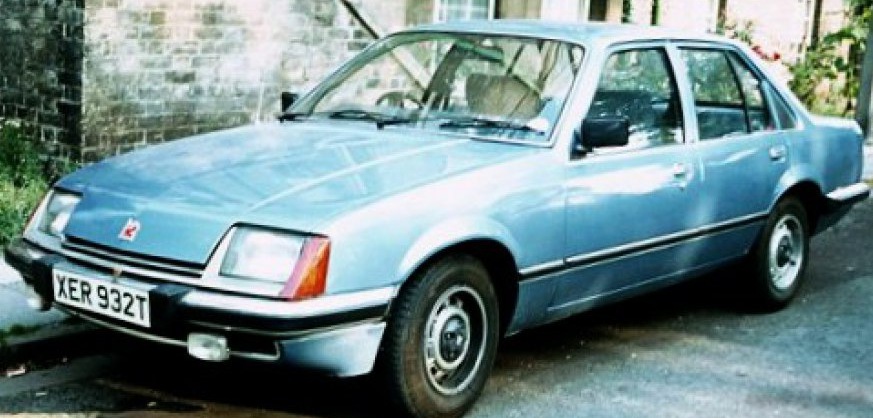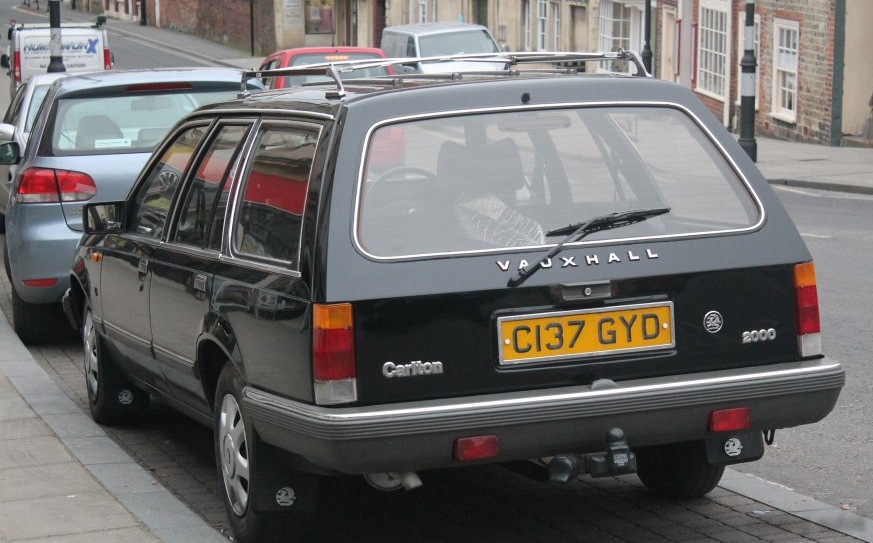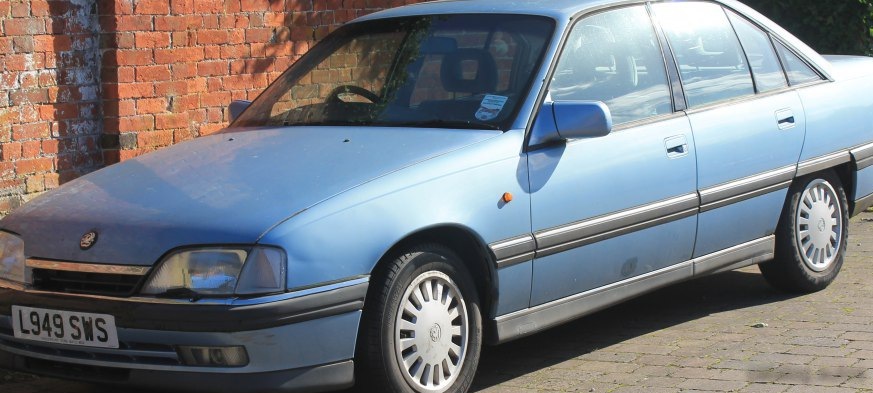
The Vauxhall Carlton Mk III 3.0 24V CAT, produced between 1989 and 1994, represented a significant step upmarket for Vauxhall, aiming to compete with executive saloons from BMW, Mercedes-Benz, and Ford. This variant, powered by the C30SE 3.0-liter inline-six engine producing 204 horsepower, was positioned as the flagship model within the Mk III Carlton range, offering a blend of performance, luxury, and technology. It was a key part of Vauxhall’s attempt to establish itself as a premium brand in the UK market, leveraging Opel’s engineering expertise (as Vauxhall and Opel were, and remain, sister companies under Stellantis). The “CAT” designation refers to the catalytic converter fitted as standard, complying with increasingly stringent emissions regulations of the time.
Technical Specifications
| Brand | Vauxhall |
| Model | Carlton Mk III |
| Type (Engine) | 3.0 3000 24V CAT (204 Hp) |
| Start of production | 1989 |
| End of production | 1994 |
| Powertrain Architecture | Internal Combustion engine |
| Body type | Sedan |
| Seats | 5 |
| Doors | 4 |
| Fuel Type | Petrol (Gasoline) |
| Power | 204 Hp |
| Engine Model/Code | C30SE |
| Engine aspiration | Naturally aspirated engine |
| Engine oil capacity | 5.5 l (5.81 US qt | 4.84 UK qt) |
| Coolant capacity | 9.8 l (10.36 US qt | 8.62 UK qt) |
| Trunk (boot) space – minimum | 520 l (18.36 cu. ft.) |
| Trunk (boot) space – maximum | 870 l (30.72 cu. ft.) |
| Fuel tank capacity | 75 l (19.81 US gal | 16.5 UK gal) |
| Length | 4768 mm (187.72 in.) |
| Width | 1812 mm (71.34 in.) |
| Width including mirrors | 1933 mm (76.1 in.) |
| Height | 1435 mm (56.5 in.) |
| Wheelbase | 2730 mm (107.48 in.) |
| Drivetrain Architecture | Rear wheel drive |
Powertrain & Engine Architecture
The heart of the Carlton 3.0 24V was the C30SE engine, a 2999cc inline-six cylinder powerplant. This engine was a development of Opel’s earlier six-cylinder designs, featuring a cast iron block and an aluminum cylinder head. The “24V” designation indicates the four valves per cylinder, contributing to improved breathing and higher power output. Fuel injection was handled by Bosch Motronic, a sophisticated electronic engine management system for its time, controlling fuel delivery and ignition timing. The engine boasted a relatively high compression ratio (around 9.5:1) for the era, contributing to its spirited performance. The C30SE was known for its smooth power delivery and robust construction. While a five-speed manual transmission was available, the four-speed automatic transmission (typically a GM 4L30E) was a popular choice, particularly for buyers prioritizing comfort and ease of driving. This automatic, while reliable, did impact acceleration compared to the manual version.
Driving Characteristics
The Carlton 3.0 24V Automatic offered a refined and comfortable driving experience. The automatic transmission, while not particularly sporty, provided smooth gear changes and made the car easy to drive in urban traffic. Acceleration was respectable for the time, with 0-60 mph times around 8.5-9 seconds, but noticeably slower than the manual variant. The rear-wheel drive configuration provided balanced handling, although the car’s considerable weight (around 3,600 lbs) meant it wasn’t particularly agile. The suspension, featuring independent suspension all around, offered a good compromise between ride comfort and handling. The steering was power-assisted, providing a light and easy feel, but lacked significant feedback. The engine’s torque output (around 195 lb-ft) was sufficient for effortless cruising on motorways, and the car felt stable and composed at high speeds.
Equipment & Trim Levels
The Carlton 3.0 24V CAT was typically well-equipped, reflecting its position as the range-topping model. Standard features included central locking, electric windows, power-assisted steering, an anti-theft system, and a high-quality stereo system. The interior was trimmed with comfortable cloth upholstery, although leather upholstery was available as an option. Higher trim levels offered additional features such as climate control, heated seats, and a sunroof. The dashboard layout was functional and well-designed, with clear instrumentation. Optional extras included upgraded sound systems, alloy wheels, and metallic paint finishes. The overall ambiance of the interior was one of understated luxury.
Chassis & Braking
The Carlton Mk III utilized a robust chassis with independent suspension at all four wheels. The front suspension employed MacPherson struts, while the rear featured a semi-trailing arm design. This setup provided a comfortable ride and reasonable handling characteristics. Braking was initially provided by disc brakes all around on some models, but many Carlton 3.0 automatics were equipped with disc brakes at the front and drum brakes at the rear, a cost-saving measure. Anti-lock braking (ABS) was available as an option, and became increasingly common on later models. The steering was a recirculating ball system, providing a relatively light feel but lacking the precision of more modern steering technologies. Stabilizer bars were fitted front and rear to reduce body roll during cornering.
Market Reception & Comparison
The Vauxhall Carlton 3.0 24V CAT was generally well-received by automotive critics. It was praised for its smooth engine, comfortable ride, and spacious interior. However, it was also criticized for its relatively high price, its somewhat dated styling, and its lack of sporting pretensions. Compared to its rivals, such as the BMW 5 Series and Mercedes-Benz E-Class, the Carlton offered a good value proposition, but lacked the prestige and brand recognition of its German competitors. The automatic transmission, while convenient, was seen as detracting from the car’s performance potential. Fuel economy was also a concern, averaging around 20-25 mpg in real-world driving. The 2.0 and 2.3-liter versions of the Carlton offered better fuel economy and lower purchase prices, appealing to a more budget-conscious buyer.
Legacy
The Vauxhall Carlton Mk III 3.0 24V CAT, while not a massive sales success, remains a fondly remembered executive saloon. The C30SE engine proved to be remarkably durable, and many examples are still on the road today. The car’s relatively simple construction and readily available parts make it relatively easy to maintain. However, rust can be a problem, particularly on older examples. In the used car market, the Carlton 3.0 24V CAT is sought after by enthusiasts who appreciate its classic styling, smooth engine, and comfortable ride. It represents a significant chapter in Vauxhall’s history, showcasing the company’s ambition to compete in the premium car segment. While it may not have achieved the same level of iconic status as some of its rivals, the Carlton 3.0 24V CAT remains a worthy and often overlooked classic.